




~1 min
Average Reply Time
~1 hour
To Be Matched With A Tutor
1 Trial
75% Find Their Tutor On The 1st Trial
$1
Your First 30 Minutes
Hire The Best Eastern Philosophy Tutor
Top Tutors, Top Grades. Without The Stress!
Related Subjects
Struggling to connect Confucius, the Upanishads, and Daoist metaphysics — and an essay deadline is three days out?
Eastern Philosophy Tutor Online
Eastern Philosophy is the study of philosophical traditions originating in Asia — including Confucianism, Daoism, Buddhism, Hindu philosophy, and Jainism — examining ethics, consciousness, reality, and the nature of self across these frameworks.
Finding a strong Eastern Philosophy tutor online matters when you’re working through texts that span Sanskrit, Classical Chinese, and Pali, often with no single “right” interpretation. MEB offers 1:1 online tutoring and homework help in 2,800+ advanced subjects — including a full range of philosophy tutoring at undergraduate, graduate, and doctoral level. If you’ve searched for an Eastern Philosophy tutor near me and found mostly generalists, MEB’s subject-specific matching is the practical alternative. One focused session often clarifies more than weeks of re-reading.
- 1:1 online sessions tailored to your course syllabus and reading list
- Expert verified tutors with subject-specific knowledge in Eastern traditions
- Flexible time zones — US, UK, Canada, Australia, Gulf
- Structured learning plan built after a diagnostic session
- Ethical homework and assignment guidance — you understand the argument before you write it
52,000+ students across the US, UK, Canada, Australia, and the Gulf have used MEB since 2008 — including students in Philosophy subjects like Eastern Philosophy, Indian philosophy, and continental philosophy.
Source: My Engineering Buddy, 2008–2025.
How Much Does an Eastern Philosophy Tutor Cost?
Most Eastern Philosophy tutoring sessions run $20–$40/hr. Graduate-level work — dissertations engaging primary texts in Sanskrit or Classical Chinese, or PhD-level comparative metaphysics — can reach $70–$100/hr. The $1 trial gives you 30 minutes of live tutoring or a full explanation of one homework question before you commit to anything.
| Level / Need | Typical Rate | What’s Included |
|---|---|---|
| Standard (most undergrad levels) | $20–$35/hr | 1:1 sessions, text analysis, essay guidance |
| Advanced / Specialist | $35–$100/hr | Graduate/PhD depth, primary-language text support |
| $1 Trial | $1 flat | 30 min live session or 1 homework question explained |
Tutor availability tightens at semester end and around essay submission windows. Book early if your deadline is within four weeks.
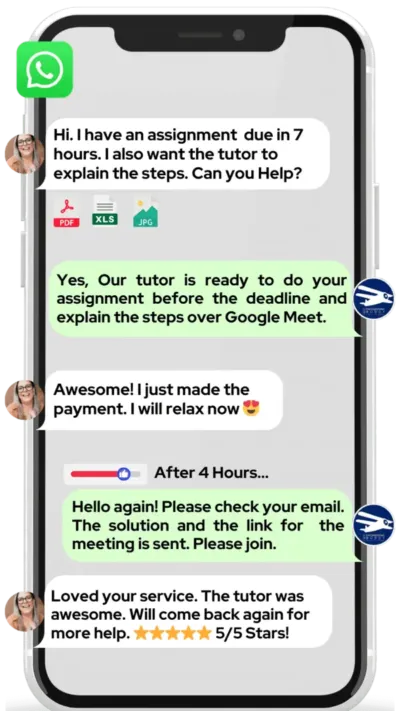
WhatsApp MEB for a quick quote — average response time under 1 minute.
Who This Eastern Philosophy Tutoring Is For
Eastern Philosophy draws students from philosophy, religious studies, Asian studies, and comparative literature — and the assessment demands of each vary sharply. Whether you’re writing a close-reading essay on the Tao Te Ching, building an argument comparing Nāgārjuna and Kant, or working through the Upanishads for the first time, the challenge is usually interpretive precision under time pressure.
- Undergraduate students in philosophy, religious studies, or Asian studies encountering Confucian, Buddhist, or Daoist texts for the first time
- Graduate students writing comparative thesis chapters that require both Eastern and Western philosophical frameworks
- Students retaking a course after a failed first attempt who need to close conceptual gaps quickly
- Students with a university conditional offer depending on this grade in a humanities or philosophy unit
- Researchers at Yale, NYU, SOAS London, Australian National University, McGill, Utrecht, or the University of Toronto working in comparative or Asian philosophy
- Students needing homework and assignment guidance on primary text analysis, argument construction, or comparative essays
Try the $1 trial if you’re not sure where your understanding breaks down — the first session will show you.
1:1 Tutoring vs Self-Study vs AI vs YouTube vs Online Courses
Self-study works if you can hold competing interpretations of, say, the Buddhist concept of anattā in your head and test your own reasoning — most students can’t, without feedback. AI tools give you a fast summary of Confucianism but won’t tell you why your essay argument is circular. YouTube covers the broad strokes of Daoism well; it stops the moment you need to untangle a specific passage from the Zhuangzi. Online courses move at a fixed pace regardless of whether you’ve understood the previous unit. 1:1 tutoring with MEB works through the exact passage, the exact essay question, and the exact gap — live, in the session, corrected before it becomes a habit.
Outcomes: What You’ll Be Able To Do in Eastern Philosophy
After focused sessions with an MEB tutor, you’ll be able to analyze the soteriological differences between Theravāda and Mahāyāna Buddhism with precision, apply Confucian relational ethics to contemporary political arguments without flattening the tradition, explain the Daoist concept of wu wei in both its metaphysical and practical registers, write comparative essays that hold Eastern and Western frameworks in genuine tension rather than false equivalence, and present a coherent reading of a primary text — the Bhagavad Gita, the Analects, or the Milindapañha — in a seminar or written assessment without misrepresenting the tradition.
Based on feedback from 40,000+ sessions collected by MEB from 2022 to 2025, 58% of students improved by one full grade after approximately 20 hours of 1:1 tutoring in subjects like Eastern Philosophy. A further 23% achieved at least a half-grade improvement.
Source: MEB session feedback data, 2022–2025.
Try your first session for $1 — 30 minutes of live 1:1 tutoring or one homework question explained in full. No registration. No commitment. WhatsApp MEB now and get matched within the hour.
What We Cover in Eastern Philosophy (Syllabus / Topics)

Indian and Hindu Philosophy
- The six orthodox schools (āstika darśanas): Nyāya, Vaiśeṣika, Sāṃkhya, Yoga, Mīmāṃsā, Vedānta
- Advaita Vedānta: Śaṅkara on brahman, ātman, and māyā
- Jain metaphysics: anekāntavāda (many-sidedness of truth) and ahiṃsā
- The Upanishads: key passages, commentary traditions, and their philosophical claims
- The Bhagavad Gita: karma yoga, dharma, and the ethics of action
- Classical Indian epistemology: pramāṇa theory across schools
Recommended texts: Radhakrishnan & Moore, A Source Book in Indian Philosophy; Mohanty, Reason and Tradition in Indian Thought; Chatterjee & Datta, An Introduction to Indian Philosophy.
Buddhist Philosophy
- Core doctrines: anattā, anicca, dukkha, dependent origination (pratītyasamutpāda)
- Theravāda vs Mahāyāna: soteriological and metaphysical distinctions
- Nāgārjuna and Madhyamaka: śūnyatā (emptiness) and the two truths doctrine
- Yogācāra (Mind-Only) school: Vasubandhu on consciousness and perception
- Zen and Chan Buddhism: kōan practice, sudden enlightenment, and the relationship to language
- Buddhist ethics: the Bodhisattva ideal and engaged Buddhism in contemporary contexts
- Japanese philosophy intersections: Nishida Kitaro’s pure experience and the Kyoto School
Recommended texts: Williams, Buddhist Thought; Garfield (trans.), The Fundamental Wisdom of the Middle Way; Harvey, An Introduction to Buddhist Ethics.
Chinese Philosophy: Confucianism and Daoism
- Confucian ethics: rén (benevolence), lǐ (ritual propriety), zhèngmíng (rectification of names)
- Mencius and Xunzi: competing accounts of human nature and moral cultivation
- Neo-Confucianism: Zhu Xi on lǐ (principle) and qì (vital force)
- Daoist metaphysics: the Tao Te Ching, wu wei, and the concept of ziran (naturalness)
- Zhuangzi: perspectivism, language scepticism, and the relationship between knowledge and freedom
- Legalism and Mohism as foils to Confucian and Daoist traditions
- Comparative work: Confucian relational ethics alongside ethics tutoring in Western moral theory
Recommended texts: Ivanhoe & Van Norden, Readings in Classical Chinese Philosophy; Hansen, A Daoist Theory of Chinese Thought; Chan, A Source Book in Chinese Philosophy.
The Journal of Philosophy continues to publish comparative work across Eastern and Western traditions — MEB tutors stay current with both foundational texts and evolving scholarly debates in the field.
Source: Journal of Philosophy.
At MEB, we’ve found that students who struggle with Eastern Philosophy are rarely confused about the ideas themselves — they’re confused about which tradition they’re reading within. Getting the lineage clear first — is this Theravāda or Mahāyāna? Confucian or Daoist? — unlocks the interpretation far faster than re-reading the primary text alone.
What a Typical Eastern Philosophy Session Looks Like
The tutor opens by checking the previous topic — say, Nāgārjuna’s two truths doctrine from the week before — with two or three quick questions to see what landed and what didn’t. From there, the session moves into the current focus: the student shares their screen with a passage from the Zhuangzi or a draft essay paragraph arguing for a reading of wu wei. The tutor uses a digital pen-pad to annotate the text directly — marking where the argument shifts, where a term is being used in two incompatible ways, where the student has confused the Daoist and Confucian positions on action. The student then attempts a restatement or rewrites the paragraph while the tutor watches. The session closes with a concrete task: compare two passages, draft a counter-argument, or map the Yogācāra account of consciousness before the next meeting.
How MEB Tutors Help You with Eastern Philosophy (The Learning Loop)
Diagnose: In the first session, the tutor identifies whether the gap is textual (the student can’t parse the primary source), conceptual (the tradition’s framework hasn’t clicked), or argumentative (the student understands the ideas but can’t build a defensible claim from them). These are different problems and need different sessions.
Explain: The tutor works through the problem live — annotating a passage from the Upanishads with a digital pen-pad, rebuilding the logic of pratītyasamutpāda from scratch, or showing exactly how a comparative essay on Confucian and Kantian ethics should be structured. No pre-recorded slides. No scripts.
Practice: The student attempts the next problem or passage with the tutor present — translating a concept into their own words, applying a framework to a new case, or drafting a thesis statement on the spot. This is where understanding becomes skill.
Feedback: The tutor responds step by step — not just “this is wrong” but where the reasoning broke and why. Students consistently tell us that this is the moment Eastern Philosophy stops feeling abstract: when someone shows them precisely where their argument lost the tradition it was engaging.
Plan: At the end of each session, the tutor sets the next topic, flags which texts to read before the following session, and notes what to test at the opening of the next meeting. Nothing is left open.
Sessions run on Google Meet with a digital pen-pad or iPad and Apple Pencil. Before the first session, share your course outline, the specific text or essay question you’re working on, and your submission or exam date. Start with the $1 trial — 30 minutes of live tutoring that also serves as your first diagnostic.
Students consistently tell us that Eastern Philosophy feels impossible until someone reads the primary text alongside them — not explaining it at them, but working through it line by line, in the order the argument unfolds. That’s what 1:1 tutoring on these texts is actually for.
Tutor Match Criteria (How We Pick Your Tutor)
Not every philosophy tutor knows the difference between Advaita Vedānta and Viśiṣṭādvaita, or can discuss the Kyoto School alongside Hegelian idealism. MEB matches on specifics.
Subject depth: tutors are matched to your tradition — Buddhist, Confucian, Daoist, Hindu, or comparative — and to your level, whether first-year undergraduate or doctoral dissertation. Get metaphysics tutoring from someone who has taught it, not just read it once. Tools: every tutor uses Google Meet and a digital pen-pad or iPad with Apple Pencil — annotating primary texts on screen is standard. Time zone: matched to your region across US, UK, Gulf, Canada, and Australia — no 3am sessions unless you want them. Goals: essay quality, exam scores, conceptual depth, or dissertation chapter support — the brief shapes the match.
Unlike platforms where you fill out a form and wait, MEB responds in under a minute, 24/7. Tutor match takes under an hour. The $1 trial means you test before you commit. Everything runs over WhatsApp — no logins, no intake forms.
Study Plans (Pick One That Matches Your Goal)
If your essay is due in two weeks, the tutor builds a catch-up plan: key passages first, argument structure second, draft review third. If you have a semester, the plan follows your syllabus week by week — one tradition at a time, with comparative work introduced once the foundations are secure. Ongoing weekly support keeps your reading and analytical work on pace with coursework deadlines. The tutor maps the exact sequence after the diagnostic session. Need epistemology help alongside Eastern Philosophy? That can run in parallel — one tutor or two, depending on your workload.
Pricing Guide
Eastern Philosophy tutoring starts at $20/hr for standard undergraduate sessions. Graduate-level work — Madhyamaka metaphysics, dissertation chapters, primary-source analysis in translation — runs $35–$70/hr. Tutors with specialist research backgrounds in Buddhist studies, Sinology, or Sanskrit-based traditions are available at higher rates.
Rate factors: course level, text complexity, timeline pressure, and tutor availability. Availability tightens around semester-end submission windows — if your deadline is inside four weeks, book now rather than later.
For students targeting doctoral programmes at institutions like SOAS, Yale Divinity, University of Toronto, or Australian National University, tutors with active research backgrounds in Asian philosophy are available at premium rates — share your programme and MEB will match the tier to your goal.
Start with the $1 trial — 30 minutes, no registration, no commitment. WhatsApp MEB for a quick quote.
A common pattern our tutors observe is that students who struggle with Eastern Philosophy assessments have usually been taught the traditions in isolation — Buddhism one week, Daoism the next — without ever seeing how they respond to each other. Building those comparisons early changes everything.
Source: MEB tutor feedback, 2022–2025.
FAQ
Is Eastern Philosophy hard?
It’s conceptually demanding — primary texts are written within traditions that assume background knowledge most Western students don’t have. The terminology (śūnyatā, li, dharma) shifts meaning across schools. With a tutor who knows the tradition, the concepts become navigable quickly.
How many sessions are needed?
Students closing a specific essay gap typically need 3–5 sessions. Those working across a full semester or dissertation chapter usually book 10–20 sessions total. The tutor sets a realistic timeline after the diagnostic — no padding, no open-ended commitments.
Can you help with homework and assignments?
Yes — MEB tutoring is guided learning. You understand the argument, the textual evidence, and the structure, then write and submit it yourself. See our Academic Integrity policy and Why MEB page for full details on what we help with and what we don’t.
Will the tutor match my exact syllabus or exam board?
Yes. Share your course outline or reading list when you make contact. Tutors are matched to your specific tradition, texts, and assessment format — not to a generic Eastern Philosophy overview. If your course focuses on Zen or on Hindu epistemology, the tutor knows that material specifically.
What happens in the first session?
The tutor runs a brief diagnostic — asking about your course, the texts you’ve covered, and where your understanding breaks down. From there, the session moves straight into the specific passage or essay question you’re working on. No lecture. No overview you’ve already heard.
Is online tutoring as effective as in-person?
For text-based subjects like Eastern Philosophy, online is often better — tutors annotate the primary source directly on screen, share translations alongside originals, and keep a running written record of the session’s key points. Geography stops being a constraint entirely.
Can you help with both primary texts and secondary literature?
Yes. Tutors work through primary sources — the Tao Te Ching, the Dhammapada, the Upanishads — and help you engage critically with secondary scholarship. If your essay requires situating your reading within current academic debate, the tutor covers that too. Get help with ancient philosophy tutoring in parallel if your course draws on Greek sources alongside Eastern texts.
What’s the difference between Buddhist philosophy and Buddhist religion — and does it matter for my course?
It matters significantly. Academic philosophy courses treat Buddhist thought analytically — examining the logical structure of anattā, the epistemology of the two truths, or Nāgārjuna’s dialectic — rather than devotionally. Your tutor will frame the material to match your department’s approach, whether analytic, continental, or comparative.
Do you offer group Eastern Philosophy sessions?
MEB specialises in 1:1 sessions only. Group sessions introduce fixed pacing and reduce the time a tutor can spend on your specific gap. If you and a classmate want to study together, that’s your call — but each student books separately and gets their own diagnostic and session plan.
Can I get Eastern Philosophy help at midnight?
Yes. MEB operates 24/7 across time zones. WhatsApp MEB at any hour — average response time is under a minute. Tutors cover US, UK, Gulf, Canada, and Australia time zones, so late-night and early-morning sessions are standard, not exceptional.
How do I find an Eastern Philosophy tutor in my city?
You don’t need to. MEB’s tutors are online and matched to your subject, level, and time zone — not your postcode. Students in New York, London, Dubai, Toronto, and Sydney all access the same pool of verified Eastern Philosophy specialists. Session quality doesn’t depend on location.
How do I get started?
Three steps: WhatsApp MEB with your subject, course level, and the text or essay you’re working on. MEB matches you with a verified tutor — usually within an hour. Start with the $1 trial: 30 minutes live or one homework question explained in full before you commit to anything more.
Trust & Quality at My Engineering Buddy
Every MEB tutor goes through subject-specific screening before their first session — not a general philosophy test, but questions tied to the traditions they claim to teach. Tutors who say they cover Buddhist philosophy are tested on Madhyamaka logic and Yogācāra epistemology, not just broad summaries. Live demo sessions are part of the vetting process. Ongoing feedback from students after each session feeds back into tutor review. Rated 4.8/5 across 40,000+ verified reviews on Google. Need existentialism tutoring or help with philosophy of religion? The same vetting standards apply across every philosophy subject MEB covers.
MEB tutoring is guided learning — you understand the work, then submit it yourself. For full details on what we help with and what we don’t, read our Academic Integrity policy and Why MEB.
MEB has served 52,000+ students across the US, UK, Canada, Australia, the Gulf, and Europe since 2008 — in 2,800+ subjects. In Philosophy, that includes Eastern Philosophy, analytic philosophy tutoring, and moral philosophy help at every level from first-year undergraduate to doctoral dissertation support. See our tutoring methodology for how MEB structures sessions across advanced humanities subjects.
Explore Related Subjects
Students studying Eastern Philosophy often also need support in:
- Aesthetics
- Bioethics
- Critical Thinking
- Environmental Ethics
- Hermeneutics
- Islamic Philosophy
- Ontology
- Metaphilosophy
Next Steps
Before your first session, have ready: your exam board and syllabus or course outline, a recent essay attempt or a passage you’ve been stuck on, and your submission or exam date. The tutor handles the rest.
- Share your course, the tradition you’re studying, and your hardest current topic
- Share your availability and time zone
- MEB matches you with a verified Eastern Philosophy tutor — usually within 24 hours
The first session starts with a diagnostic so every minute is used on what actually needs work — not a general review of what you already know.
Visit www.myengineeringbuddy.com for more on how MEB works.
WhatsApp to get started or email [email protected].
52,000+ Happy Students From Various Universities



Reviewed by Subject Expert
This page has been carefully reviewed and validated by our subject expert to ensure accuracy and relevance.

