


Hire The Best Tableau Tutor
Top Tutors, Top Grades. Without The Stress!





52,000+ Happy Students From Various Universities






How Much For Private 1:1 Tutoring & Hw Help?
Private 1:1 Tutoring and HW help Cost $20 – 35 per hour* on average.
Tableau is open on your screen. The dashboard looks wrong. You’ve watched three YouTube videos and you’re still stuck on calculated fields.
Tableau Tutor Online
Tableau is a visual analytics platform used to connect, prepare, and present data through interactive dashboards and charts. It is widely used in data science, business intelligence, and academic data analysis courses at undergraduate and graduate level.
MEB offers 1:1 online tutoring and homework help in 2800+ advanced subjects — including Tableau and the wider data science tutoring stack. Whether you’re building your first dashboard or debugging a complex LOD expression, finding a Tableau tutor near me online means getting live, screen-share help from someone who knows the software at depth. Sessions are matched to your exact course, dataset, and deadline.
- 1:1 online sessions tailored to your course or project brief
- Expert-verified tutors with hands-on Tableau experience across academic and industry contexts
- Flexible time zones — US, UK, Canada, Australia, Gulf
- Structured learning plan built after a diagnostic session
- Ethical homework and assignment guidance — you understand the work before you submit
52,000+ students across the US, UK, Canada, Australia, and the Gulf have used MEB since 2008 — including students in Data Science subjects like Tableau, Power BI, and data analysis.
Source: My Engineering Buddy, 2008–2025.
How Much Does a Tableau Tutor Cost?
Most Tableau sessions run $20–$40/hr depending on level and topic complexity. Graduate-level or niche applied analytics work can reach $100/hr. The $1 trial gets you 30 minutes of live 1:1 tutoring or one homework question explained in full — no registration needed.
| Level / Need | Typical Rate | What’s Included |
|---|---|---|
| Standard (most undergraduate levels) | $20–$35/hr | 1:1 sessions, dashboard walkthroughs, homework guidance |
| Advanced / Graduate / Specialist | $35–$100/hr | LOD expressions, Tableau Server, advanced calculated fields |
| $1 Trial | $1 flat | 30 min live session or one full homework question explained |
Tutor availability tightens during semester project deadlines and end-of-term exam periods — if you have a submission coming up, message now rather than later.
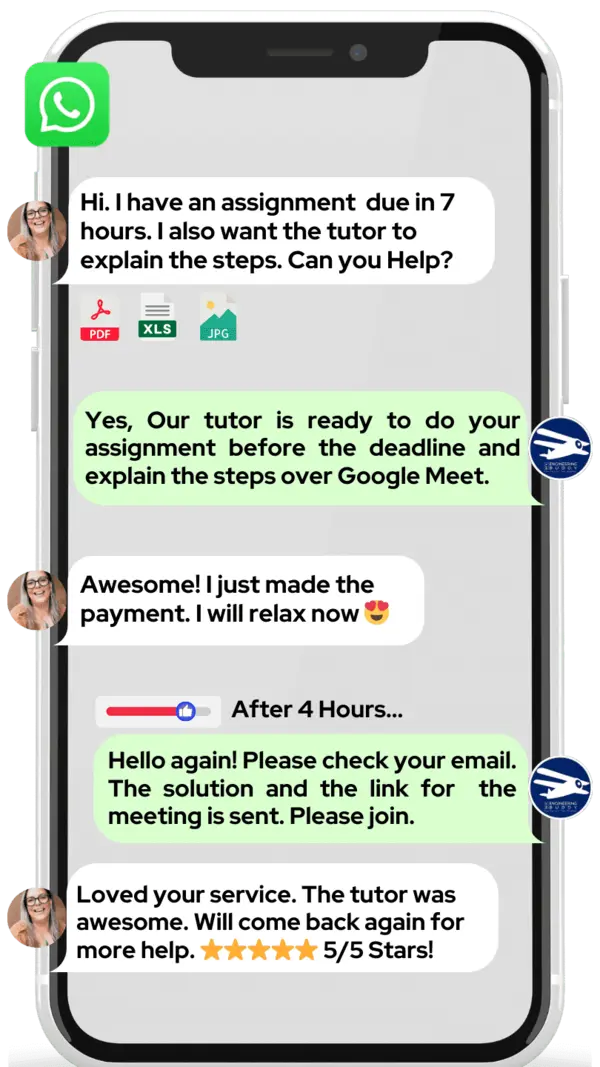
WhatsApp MEB for a quick quote — average response time under 1 minute.
Who This Tableau Tutoring Is For
Tableau sits at the intersection of data preparation and visual storytelling. Most students hit the wall not because they can’t understand the data — but because Tableau’s logic for calculated fields, filters, and table calculations doesn’t behave the way they expect. This is exactly the kind of problem a 1:1 session solves in 30 minutes.
- Undergraduate and graduate students in data science, business analytics, or information systems courses using Tableau as a core tool
- Students with a Tableau-based project submission or portfolio piece due within the next two to four weeks
- Students retaking a data analytics course after failing the visualisation component the first time
- Professionals upskilling for BI roles who need structured guidance rather than ad hoc trial and error
- Students needing guided homework and assignment help — understanding the logic, then completing the work themselves
MEB has worked with students at universities including MIT, University of Michigan, London School of Economics, University of Toronto, University of Sydney, and NYU — across data science, business intelligence, and analytics programmes where Tableau features heavily.
At MEB, we’ve found that Tableau students who struggle with LOD expressions or context filters almost always have the same root issue: they’re treating Tableau like a spreadsheet. One session that reframes the data model usually unlocks three weeks of stuck progress.
1:1 Tutoring vs Self-Study vs AI vs YouTube vs Online Courses
Self-study works if you’re disciplined, but Tableau errors rarely come with clear explanations. AI tools give fast syntax answers but can’t see your workbook or diagnose why your filter is killing a dimension. YouTube covers the basics well — it stops the moment your specific dataset or calculated field breaks. Online courses move at a fixed pace and don’t adapt when you’re stuck on a FIXED vs INCLUDE distinction at 11pm. A 1:1 big data tutoring or Tableau session with MEB is live, screen-shared, and calibrated to the exact workbook in front of you — errors get caught and corrected in the moment, not hours later.
Outcomes: What You’ll Be Able To Do in Tableau
After working with an online Tableau tutor from MEB, students consistently move from passive dashboard-copying to active analytical thinking. You’ll be able to build connected, interactive dashboards from messy real-world datasets — not just clean sample data. Apply calculated fields, table calculations, and LOD expressions confidently without second-guessing the syntax. Analyze trends, segment audiences, and present findings in a way that holds up to scrutiny in a project presentation or viva. Solve filter logic problems independently, explain your design choices, and write Tableau documentation that makes sense to someone reading it cold.
Based on feedback from 40,000+ sessions collected by MEB from 2022 to 2025, 58% of students improved by one full grade after approximately 20 hours of 1:1 tutoring in subjects like Tableau. A further 23% achieved at least a half-grade improvement.
Source: MEB session feedback data, 2022–2025.
Supporting a student through Tableau? MEB works directly with parents to set up sessions, track progress, and keep coursework on schedule. WhatsApp MEB — average response time is under a minute, 24/7.
Try your first session for $1 — 30 minutes of live 1:1 tutoring or one homework question explained in full. No registration. No commitment. WhatsApp MEB now and get matched within the hour.
What We Cover in Tableau (Syllabus / Topics)

Track 1: Foundations — Connecting Data and Building Views
- Connecting to data sources: Excel, CSV, SQL databases, Google Sheets
- Data types, dimensions vs measures, and the Tableau data model
- Building bar charts, line graphs, scatter plots, and maps
- Filters: quick filters, context filters, and filter order of operations
- Sorting, grouping, and creating sets
- Basic calculated fields: string, date, and numeric functions
Recommended references: Tableau Desktop Specialist Study Guide (official Tableau documentation); Practical Tableau by Ryan Sleeper.
Track 2: Intermediate — Calculated Fields, Table Calculations, and LOD Expressions
- IF/THEN/ELSE and CASE logic in calculated fields
- Table calculations: RUNNING_SUM, WINDOW_AVG, RANK
- Level of Detail (LOD) expressions: FIXED, INCLUDE, EXCLUDE — and when each applies
- Parameters: creating dynamic views and user-controlled inputs
- Dual-axis charts and combined-axis visualisations
- Aggregation vs row-level calculations — a distinction that trips up most students
Recommended references: Learning Tableau 2020 by Joshua Milligan; The Big Book of Dashboards by Wexler, Shaffer, and Cotgreave.
Track 3: Advanced — Dashboards, Storytelling, and Tableau Prep
- Dashboard layout, containers, and device-specific design
- Actions: filter actions, highlight actions, URL actions
- Story points for data-driven narrative presentations
- Tableau Prep Builder: cleaning, pivoting, and reshaping data before analysis
- Connecting to Tableau Server or Tableau Public for publishing
- Performance optimisation: extract vs live connection, reducing dashboard load time
- Integrating data cleaning help workflows with Tableau Prep
Recommended references: Tableau Prep: Up & Running by Carl Allchin; official Tableau eLearning resources.
Platforms, Tools & Textbooks We Support
Tableau sessions at MEB run on Google Meet with screen sharing — the tutor can see your workbook in real time. Tutors are comfortable working across Tableau Desktop, Tableau Public, Tableau Prep Builder, and Tableau Online. For students whose coursework involves connecting Tableau to Python or R outputs, tutors also support pandas tutoring and NumPy help as part of an end-to-end data workflow.
- Tableau Desktop (all current versions)
- Tableau Public
- Tableau Prep Builder
- Tableau Online / Tableau Server
- Google Meet (sessions platform)
- Digital pen-pad or iPad + Apple Pencil (tutor annotation)
What a Typical Tableau Session Looks Like
The tutor opens by checking where you left off — usually a specific calculated field that wasn’t returning the right result, or a dashboard layout that collapsed when you added a filter. You share your screen and walk through the workbook together. The tutor annotates directly using a digital pen-pad, drawing on the canvas to show why a FIXED LOD expression is aggregating at the wrong level. You replicate the correction yourself — the tutor doesn’t fix it for you. By the end, you’ve rebuilt the logic, tested it against your dataset, and the tutor has set you a specific practice task: recreate the same pattern on a different dimension before next session. Next topic is noted. No vague “keep practising.”
How MEB Tutors Help You with Tableau (The Learning Loop)
Diagnose: In the first session, the tutor asks you to open your current workbook and walk them through what you’ve built and where it breaks. This reveals whether the problem is conceptual (misunderstanding how Tableau’s data model aggregates), syntactical (calculated field errors), or structural (wrong filter scope). Real diagnosis — not a generic syllabus quiz.
Explain: The tutor works through the problem live on screen using a digital pen-pad to annotate the view. For LOD expressions, for example, they’ll draw the granularity ladder — showing exactly what FIXED anchors to and why INCLUDE changes the result. You watch, then immediately try it yourself.
Practice: You attempt the same technique on a slightly different dataset or scenario while the tutor watches. This is where real understanding shows — or where the tutor catches the misconception before it hardens.
Feedback: Step-by-step correction happens in the moment. The tutor explains not just what went wrong, but why the logic was wrong and how to catch it yourself next time. For assignment help, this means understanding the reasoning fully before you submit.
Plan: Each session ends with a clear next topic and a specific practice task. If you’re two weeks from a submission, the tutor maps the remaining sessions to cover the components still at risk. Accountability built in.
Sessions run over Google Meet. The tutor uses a digital pen-pad or iPad with Apple Pencil to annotate your workbook directly. Before your first session, share your course brief or assignment instructions and a screenshot of the dashboard or error you’re stuck on. The first session starts with a diagnostic — where are you, what’s broken, and what does “done” look like for your deadline. Start with the $1 trial — 30 minutes of live tutoring that also serves as your first diagnostic.
Students consistently tell us that the moment Tableau “clicks” is when they stop thinking about it as a drag-and-drop tool and start thinking about it as a query engine with a visual layer. That shift takes one good session — not weeks of trial and error.
Source: My Engineering Buddy tutor observations, 2022–2025.
Tutor Match Criteria (How We Pick Your Tutor)
Not every data tutor knows Tableau at depth. MEB matches on four criteria:
Subject depth: Tutors are vetted on Tableau specifically — not just general data science credentials. A tutor covering LOD expressions must have used them in a real analytical context, not just read the documentation.
Tools: Every session runs on Google Meet with screen sharing. Tutors use a digital pen-pad or iPad with Apple Pencil to annotate your workbook in real time.
Time zone: Matched to your region — US, UK, Gulf, Canada, or Australia. No awkward 3am sessions unless you want them.
Goals: Whether you need exam-grade conceptual understanding, help completing a data mining homework component that uses Tableau, or ongoing weekly support through a semester-long analytics course, the tutor match reflects that.
Unlike platforms where you fill out a form and wait, MEB responds in under a minute, 24/7. Tutor match takes under an hour. The $1 trial means you test before you commit. Everything runs over WhatsApp — no logins, no intake forms.
A common pattern our tutors observe is that students who’ve been self-teaching Tableau develop workarounds that technically produce the right output — but won’t survive peer review or a viva. Catching and correcting those habits early saves a lot of pain at submission.
Study Plans (Pick One That Matches Your Goal)
Your tutor builds the exact session sequence after the diagnostic, but here are the three most common structures for Tableau students. Catch-up (1–3 weeks): students who have a submission in days and specific components still broken — dashboard logic, LOD errors, or Prep workflow failures. Exam or project prep (4–8 weeks): structured coverage of all assessed Tableau components, with practice datasets and tutor review at each stage. Weekly support: ongoing sessions aligned to your semester schedule, covering new topics as they appear on the course and reviewing homework before submission.
Pricing Guide
Tableau tutoring starts at $20/hr for standard undergraduate-level sessions. Graduate, specialist, or Tableau Server/advanced analytics work runs $35–$100/hr depending on tutor background and topic complexity. Rate factors include your level, the complexity of the workbook or dataset, your timeline, and tutor availability in your time zone.
Availability tightens in the final four weeks of semester — if you have an analytics project due, book now.
For students targeting roles at top-tier analytics firms, BI consultancies, or data-heavy graduate programmes, tutors with professional industry backgrounds in Salesforce-integrated Tableau environments and enterprise BI are available at higher rates — share your specific goal and MEB will match the tier to your ambition.
Start with the $1 trial — 30 minutes, no registration, no commitment. WhatsApp MEB for a quick quote.
FAQ
Is Tableau hard to learn?
The drag-and-drop interface is approachable. The difficulty is in understanding how Tableau’s data model handles aggregation — especially when calculated fields, LOD expressions, and filters interact. Most students hit a wall at exactly that point. A tutor gets you past it fast.
How many sessions will I need?
Students with a specific assignment or dashboard problem typically need 2–4 sessions. Those building Tableau from scratch for a semester course usually work across 8–12 sessions. The diagnostic in session one gives you a realistic picture.
Can you help with homework and assignments?
Yes — MEB tutoring is guided learning. The tutor explains the logic, walks through the technique, and you complete and submit the work yourself. See our Academic Integrity policy and Why MEB page for full details on what we help with and what we don’t.
Will the tutor match my exact syllabus or exam board?
Yes. Before matching, MEB confirms your course, institution, and specific Tableau components assessed. Tutors are matched to your exact brief — not a generic data science curriculum.
What happens in the first session?
The tutor runs a diagnostic: you share your screen, walk through your current workbook or assignment, and the tutor identifies where the gaps are. From there, the session focuses on the highest-priority problem. No generic introductions. Straight to work.
Is online Tableau tutoring as effective as in-person?
For a software tool like Tableau, online is actually better. Screen sharing means the tutor sees exactly what you see. Digital pen-pad annotation lets them mark up your workbook directly. In-person tutoring can’t replicate that precision.
Can I get Tableau help late at night or on weekends?
Yes. MEB tutors cover US, UK, Gulf, and Australia time zones — which means someone is available around the clock. Message on WhatsApp and you’ll typically have a tutor match within the hour, regardless of the time.
What if I don’t like my assigned tutor?
Message MEB on WhatsApp and request a different match. No awkward process, no forms. MEB will match you with an alternative tutor, usually within the same day. The $1 trial exists precisely so you can test fit before committing to a package.
What’s the difference between Tableau Desktop and Tableau Public — and does MEB cover both?
Tableau Desktop is the full commercial version with live and extract connections to databases. Tableau Public is free but saves workbooks publicly. Most university courses use Desktop or Public depending on licensing. MEB tutors cover both, including Tableau Prep Builder and Tableau Online.
Do you offer help with Tableau Prep Builder specifically?
Yes. Tableau Prep Builder — used to clean, pivot, and join data before loading into Tableau Desktop — is a common source of errors in analytics coursework. MEB tutors cover Prep workflows end to end, including flow design, aggregation steps, and output connections. Pairs well with data entry tutoring for upstream data quality work.
How do I get started?
Three steps: WhatsApp MEB, share your course details and what you’re stuck on, and get matched with a verified Tableau tutor — usually within the hour. Your first session is the $1 trial: 30 minutes live or one question explained in full. No registration. No commitment.
Trust & Quality at My Engineering Buddy
Every MEB tutor goes through subject-specific vetting — a live demo evaluation, degree and credential check, and ongoing review based on student session feedback. For Tableau, tutors must demonstrate working knowledge of the full feature set: calculated fields, LOD expressions, Tableau Prep, and dashboard design. Rated 4.8/5 across 40,000+ verified reviews on Google.
MEB tutoring is guided learning — you understand the work, then submit it yourself. For full details on what we help with and what we don’t, read our Academic Integrity policy and Why MEB.
MEB has served 52,000+ students across the US, UK, Canada, Australia, Gulf, and Europe since 2008 — across 2,800+ subjects. Data Science is one of the platform’s strongest subject areas, with tutors covering artificial intelligence tutoring, sentiment analysis help, and Tableau as part of connected analytics programmes. If your course spans multiple tools, MEB can match you with a tutor who covers the full stack. Learn more about MEB’s approach at our tutoring methodology page.
MEB has operated since 2008. In that time, the platform has worked across data science, analytics, and visualisation subjects — long before Tableau became a standard tool in university curricula. That depth matters when the question is harder than any YouTube video covers.
Source: My Engineering Buddy, 2008–2025.
Explore Related Subjects
Students studying Tableau often also need support in:
Next Steps
Before your first session, have ready: your course brief or assignment instructions, a screenshot or file of the dashboard or error you’re stuck on, and your submission or exam date. The tutor handles the rest.
- Share your Tableau version, course level, and the specific component causing problems
- Share your availability and time zone
- MEB matches you with a verified Tableau tutor — usually within the hour
First session starts with a diagnostic so every minute is used well. Visit www.myengineeringbuddy.com for more on how MEB works.
WhatsApp to get started or email meb@myengineeringbuddy.com.
Reviewed by Subject Expert
This page has been carefully reviewed and validated by our subject expert to ensure accuracy and relevance.