Hire Verified & Experienced
VCE Literature Tutors
4.8/5 40K+ session ratings collected on the MEB platform



Hire The Best VCE Literature Tutor
Top Tutors, Top Grades. Without The Stress!
52,000+ Happy Students From Various Universities



How Much For Private 1:1 Tutoring & Hw Help?
Private 1:1 Tutoring and HW help Cost $20 – 35 per hour* on average.
Most VCE Literature students who struggle with Section C don’t lack ideas — they lack a structured argument. One tutor session spent on close analysis technique changes that. MEB has been fixing exactly this since 2008.
VCE Literature Tutor Online
VCE Literature is a senior secondary subject within the Victorian Certificate of Education framework, assessed by the VCAA. It develops students’ ability to analyse literary texts, construct critical arguments, and engage with comparative and creative writing tasks.
If you’ve searched for a VCE Literature tutor near me, MEB offers 1:1 online tutoring and homework help matched to the VCAA syllabus — covering all study areas from close analysis to the creative response. Our VCE tutoring programme spans the full suite of VCE subjects, so whether you need support alongside Literature or across your entire study score profile, MEB has you covered. A tutor matched to your texts, your level, and your exam timeline — that’s the offer.
- 1:1 online sessions tailored to your VCAA study design and selected texts
- Expert-verified tutors with subject-specific literary analysis knowledge
- Flexible time zones — US, UK, Canada, Australia, Gulf
- Structured learning plan built after a diagnostic session
- Ethical homework and essay guidance — you understand before you submit
52,000+ students across the US, UK, Canada, Australia, and the Gulf have used MEB since 2008 — including students in VCE subjects like VCE Literature, VCE English Language, and VCE Philosophy.
Source: My Engineering Buddy, 2008–2025.
How Much Does a VCE Literature Tutor Cost?
Most VCE Literature tutoring sessions at MEB run $20–$40/hr. If your needs are more specialised — intensive exam prep, advanced comparative analysis, or a very tight timeline — rates can go higher. The $1 trial gets you 30 minutes of live tutoring or one full essay question explained before you commit to anything.
| Level / Need | Typical Rate | What’s Included |
|---|---|---|
| Standard (Units 1–4) | $20–$35/hr | 1:1 sessions, essay and SAC guidance |
| Advanced / Specialist | $35–$70/hr | Expert tutor, high-study-score strategy |
| $1 Trial | $1 flat | 30 min live session or one SAC question explained |
Tutor availability tightens in September and October as the VCAA exam window approaches. Book early if you’re targeting the end-of-year exams.
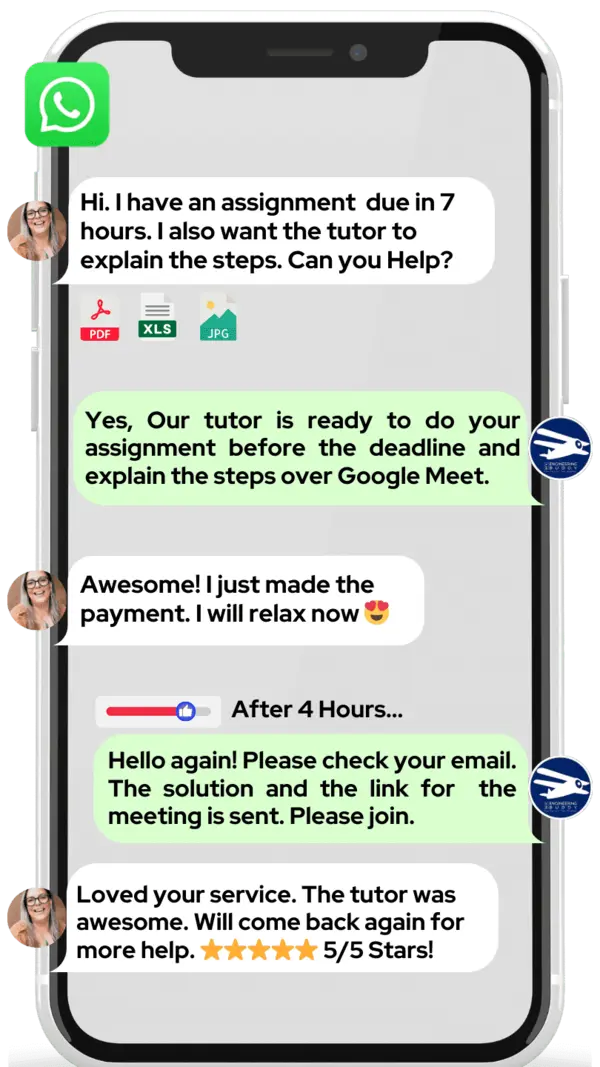
WhatsApp MEB for a quick quote — average response time under 1 minute.
Who This VCE Literature Tutoring Is For
VCE Literature suits students who want to do more than pass — but the gap between a 30 and a 45 study score often comes down to argument precision and close reading technique, not just effort. MEB tutoring is built for students who are putting in the hours but not yet seeing the scores to match.
- Students in Units 1–4 who need help structuring analytical essays and Section C responses
- Students with a university conditional offer depending on their ATAR, where Literature is a contributing subject
- Students 4–6 weeks from the end-of-year exam with text knowledge gaps still to close
- Students preparing for SACs who need rapid feedback on draft responses before submission
- Parents watching a child’s confidence drop alongside their study scores
- Students tackling the creative response component for the first time and unsure how it’s assessed
Students come to MEB from universities including the University of Melbourne, Monash University, the University of Sydney, UNSW, ANU, the University of Queensland, and the University of Adelaide — often having completed VCE as their entry pathway. For a $1 trial, there’s no risk in finding out whether the tutor match works for you.
1:1 Tutoring vs Self-Study vs AI vs YouTube vs Online Courses
Self-study works if you’re disciplined — but VCE Literature without feedback on your writing is guesswork. AI tools can explain literary devices fast but can’t read your draft argument and tell you why the examiner won’t give you full marks. YouTube covers the basics of close analysis, then stops exactly when your specific text gets complicated. Online courses move at a fixed pace with no one checking whether your comparative structure actually holds. 1:1 tutoring with MEB is live, matched to your VCAA text list and exam date, and corrects the exact errors costing you marks — not generic ones.
Outcomes: What You’ll Be Able To Do in VCE Literature
After working with an MEB tutor, students can write a Section A close analysis that moves beyond surface-level identification of techniques to argued interpretation. They can apply comparative frameworks across two texts with a clear controlling idea — not just a list of similarities. Students learn to write a Section C creative response that demonstrates genuine literary understanding, not just narrative competence. They can explain how authorial choices construct meaning, and they can plan and execute a timed response under exam conditions without losing their argument mid-essay.
Supporting a student through VCE Literature? MEB works directly with parents to set up sessions, track progress, and keep SAC and exam preparation on schedule. WhatsApp MEB — average response time is under a minute, 24/7.
Based on feedback from 40,000+ sessions collected by MEB from 2022 to 2025, 58% of students improved by one full grade after approximately 20 hours of 1:1 tutoring in subjects like VCE Literature. A further 23% achieved at least a half-grade improvement.
Source: MEB session feedback data, 2022–2025.
What We Cover in VCE Literature (Syllabus / Topics)
VCE Literature is taught across Units 1–4, with the end-of-year examination in Unit 4 covering three sections. The VCAA study design specifies the text types, assessment tasks, and expected reading and writing capabilities at each level. MEB tutors work to the current VCAA study design and can match their sessions to your school’s selected text list.
| Exam Section | Focus | Typical Weighting |
|---|---|---|
| Section A — Prose Fiction | Close analysis of an unseen prose passage | ~33% |
| Section B — Poetry | Analysis of a short poetry extract or poem | ~33% |
| Section C — Creative Response | Creative writing informed by a selected text, plus a statement of intention | ~33% |

Track 1: Close Reading and Textual Analysis (Units 1–2)
- Reading literary texts for connotation, tone, and voice
- Identifying and analysing the effect of language features and structural choices
- Writing analytical paragraphs with embedded quotation and argued interpretation
- Unseen text practice — prose, poetry, and drama extracts
- Understanding how context shapes meaning and reader response
- Practising timed SAC responses to VCAA-style prompts
Key texts and resources: VCAA study design (current edition), Reading Like a Writer by Francine Prose, selected text list issued by your school.
Track 2: Comparative Study and Extended Essay (Units 3–4)
- Constructing a comparative framework between two prescribed texts
- Building a contention and sustaining it across a multi-paragraph argument
- Analysing literary forms — novel, poetry collection, drama, short story — across genres
- Developing and writing the extended analytical essay (EAE) with tutor feedback at each draft stage
- Exam essay planning under timed conditions
- Study score strategy: where marks are gained and lost in examiners’ reports
Key texts: The Art of Fiction by John Gardner, VCAA examiners’ reports (published annually), your school’s set text pair.
Track 3: Creative Response and Statement of Intention (Section C)
- Understanding what Section C is actually assessing — literary sensibility, not just creative flair
- Selecting the right creative form (monologue, short story, poetry, hybrid) for your text
- Embedding literary techniques intentionally — not decoratively
- Writing and refining the statement of intention to explain creative choices clearly
- Avoiding the most common Section C errors: plot summary, obvious imitation, underdeveloped intention statements
- Practising with past VCAA Section C prompts and getting specific written feedback
Key references: VCAA examiners’ reports, The Creative Writing Handbook by John Singleton and Mary Luckhurst, College Board AP English Literature and Composition (useful comparative framing for advanced students).
At MEB, we’ve found that VCE Literature students who score well on Section C share one habit: they read the statement of intention prompt before they start writing — not after. It changes everything about how they structure their creative choices and explain them to the examiner.
What a Typical VCE Literature Session Looks Like
The tutor opens by checking the previous session’s practice task — usually a close analysis paragraph or a draft comparative introduction. If it was an essay plan, they read it on screen together before the student explains their contention aloud. Then the session moves into the main work: the student and tutor go through a specific passage — say, the opening of The Great Gatsby or a Seamus Heaney poem — line by line, with the tutor annotating on a digital pen-pad while the student does the same in their own document. The student writes a response paragraph live; the tutor gives immediate feedback on argument structure, embedded quotation, and technique identification. The session closes with a specific task set: one timed paragraph on a new passage, due before the next session.
How MEB Tutors Help You with VCE Literature (The Learning Loop)
Diagnose: In the first session, the tutor identifies the precise gap — whether it’s underdeveloped close reading, weak essay structure, difficulty with the creative response, or a specific text you haven’t fully understood. They look at a recent SAC or practice essay to locate where marks were lost.
Explain: The tutor works through a model response on a digital pen-pad, showing the difference between a feature-spotting paragraph and a genuinely argued interpretation. For poetry in particular, this live annotation changes how students read.
Practice: The student attempts a paragraph, an essay plan, or a Section C draft with the tutor present — not as homework to hand in later, but as a live working task so errors get caught in real time.
Feedback: The tutor gives step-by-step correction: which sentence lost the argument, where the quotation wasn’t embedded, why the contention doesn’t match the body. This is the loop that makes the biggest difference in study score improvement.
Plan: Before the session ends, the tutor sets the next topic — usually the next weakest area or the next exam component — and gives one focused practice task. No vague “review your texts.” One clear task.
Sessions run over Google Meet with a digital pen-pad or iPad and Apple Pencil for live annotation. Before your first session, have a recent essay attempt, your text list, and your exam date ready. Start with the $1 trial — 30 minutes of live tutoring that also serves as your first diagnostic. Whether you need a quick catch-up before the October exam, structured revision over 4–8 weeks, or ongoing weekly support through the SAC cycle, the tutor maps the session plan after that first diagnostic.
Students consistently tell us that the biggest shift in VCE Literature happens when they stop summarising what the author does and start arguing what the author achieves. That’s a teachable distinction — and most students land it within two or three focused sessions.
Source: My Engineering Buddy tutor observations, 2008–2025.
Try your first session for $1 — 30 minutes of live 1:1 tutoring or one homework question explained in full. No registration. No commitment. WhatsApp MEB now and get matched within the hour.
Tutor Match Criteria (How We Pick Your Tutor)
Not every strong English tutor is right for VCE Literature. The VCAA study design is specific, the assessment criteria are precise, and Section C is genuinely unusual compared to most literary analysis curricula. MEB matches tutors on four criteria.
Subject depth: Tutor must know the VCAA study design, the assessment criteria for each section, and have experience with the types of texts your school typically selects — literary fiction, poetry, drama, and short story collections.
Tools: Google Meet with a digital pen-pad or iPad and Apple Pencil for live annotation of text and student writing.
Time zone: Matched to your region — Australian Eastern Time for most VCE students, but MEB tutors cover US, UK, Gulf, and European time zones as well.
Goals: Whether you’re aiming for a study score of 40+ or just need to pass the end-of-year exam, the tutor calibrates session content to that target — not a one-size approach.
Unlike platforms where you fill out a form and wait, MEB responds in under a minute, 24/7. Tutor match takes under an hour. The $1 trial means you test before you commit. Everything runs over WhatsApp — no logins, no intake forms.
Pricing Guide
VCE Literature tutoring runs $20–$40/hr for most students. Graduate-level or intensive exam-prep sessions with specialist tutors can reach $100/hr. Rate factors include the unit level, the complexity of the texts, how close you are to your exam or SAC date, and tutor availability during the October–November exam period.
For students targeting a study score of 45 or aiming for highly competitive university places, tutors with strong academic backgrounds in literature, creative writing, or secondary English teaching are available at higher rates — share your specific goal and MEB will match the tier to your ambition.
Start with the $1 trial — 30 minutes, no registration, no commitment. WhatsApp MEB for a quick quote.
Students consistently tell us that the hardest part of VCE Literature isn’t understanding the texts — it’s knowing what the examiner is actually rewarding. A common pattern our tutors observe is students writing fluent, confident essays that score in the mid-30s because the argument is implicit rather than stated. One session on contention clarity shifts that.
FAQ
Is VCE Literature hard?
It’s one of the more demanding VCE subjects because it requires both analytical precision and creative flexibility — often in the same exam. Students who struggle most tend to have strong text knowledge but weak essay structure, or vice versa. Both are fixable with targeted practice.
How many sessions are needed?
Students with 6–8 weeks before their SAC or exam typically see clear improvement in essay structure and close reading within 8–10 sessions. Students starting earlier or targeting 40+ study scores often continue weekly through the full Unit 3–4 year. Your tutor maps the plan after the first diagnostic.
Can you help with homework and assignments?
Yes — MEB tutoring is guided learning. The tutor explains the task, works through the approach with you, and gives feedback on your draft. You write and submit your own work. MEB tutoring is guided learning — you understand the work, then submit it yourself. See our Academic Integrity policy and Why MEB page for full details on what we help with and what we don’t.
Will the tutor match my exact syllabus or exam board?
Yes. MEB tutors for VCE Literature are matched to the current VCAA study design. They can work with your school’s specific text selections across Units 1–4. If your school uses a less common text, share the title when you WhatsApp — MEB will confirm tutor availability before you commit.
What happens in the first session?
The tutor reviews a recent essay or SAC attempt, identifies the three or four areas costing you marks, and sets the plan for the following sessions. You’ll leave the first session with a specific practice task and a clear picture of what to work on next. It also serves as your diagnostic.
Is online tutoring as effective as in-person?
For VCE Literature, yes — and for text annotation, arguably better. The tutor annotates passages in real time on a shared screen, you respond in your own document, and all session notes are saved. Students report faster feedback loops online than in face-to-face sessions where annotation is done on paper.
How does VCE Literature differ from VCE English?
VCE English focuses on analytical and persuasive writing across a wider range of text types. VCE Literature goes deeper into literary analysis, requires a comparative study of two texts, and includes the creative response component in Section C of the exam. It’s a distinct subject with different assessment criteria.
How is the creative response in Section C actually marked?
Section C is assessed on literary quality and the statement of intention — not just the story or poem itself. Examiners look for deliberate use of literary techniques drawn from your set text, a distinctive creative voice, and a clear explanation of your choices in the written statement. Most students lose marks on the statement, not the creative piece.
Can I get VCE Literature help at midnight or on weekends?
Yes. MEB operates 24/7. Tutors are available across time zones, and WhatsApp response time averages under a minute at any hour. This is particularly useful in the final weeks before SACs, when students often need urgent feedback on a draft essay the night before submission.
What if I don’t like my assigned tutor?
The $1 trial is designed for exactly this. If the match doesn’t feel right after the first session, WhatsApp MEB and a different tutor is assigned — usually within the hour. No fees, no explanations needed. The goal is a tutor who clicks with how you think and write.
How do I get started?
WhatsApp MEB with your text list, your exam or SAC date, and your current unit. You’ll be matched with a verified VCE Literature tutor within the hour. First session starts with the $1 trial — 30 minutes live or one full essay question worked through together.
Trust & Quality at My Engineering Buddy
Every MEB tutor goes through a subject-specific screening process that includes a live demo evaluation, review of their academic background, and ongoing session feedback checks. Tutors working with VCE Literature students are assessed on their knowledge of the VCAA study design, their ability to give constructive written feedback, and their familiarity with the exam’s three-section structure. Rated 4.8/5 across 40,000+ verified reviews on Google. MEB has been running since 2008 and has served 52,000+ students across the US, UK, Canada, Australia, and the Gulf.
MEB tutoring is guided learning — you understand the work, then submit it yourself. For full details on what we help with and what we don’t, read our Academic Integrity policy and Why MEB.
MEB covers 2,800+ subjects across every level. In the VCE space, that includes VCE Philosophy tutoring, VCE Media help, and VCE Psychology tutoring — across the same tutor network, same $1 trial, same WhatsApp-first model. Find out more about our tutoring methodology and how sessions are structured.
A common pattern our tutors observe is that students preparing for VCE Literature exams often know their texts well but struggle to turn that knowledge into a sharp, sustained argument under timed conditions. That’s the gap MEB sessions close — live, in the session, not through more independent reading.
Source: My Engineering Buddy tutor observations, 2008–2025.
Our experience across thousands of sessions shows that VCE Literature students who share a past essay or SAC attempt before their first session get significantly more from that first hour. It takes the guesswork out of where to start. If you don’t have one, a few sentences about which section feels hardest works just as well.
Explore Related Subjects
Students studying VCE Literature often also need support in:
Next Steps
Here’s what to do now:
- Share your text list, current unit (1, 2, 3, or 4), and your SAC or exam date
- Share your time zone and weekly availability
- MEB matches you with a verified VCE Literature tutor — usually within an hour
- First session begins with a diagnostic so every minute is used on what actually matters
Before your first session, have ready: your VCAA text list and current unit, a recent essay or SAC attempt you weren’t happy with, and your exam or submission date. The tutor handles the rest.
Visit www.myengineeringbuddy.com for more on how MEB works.
WhatsApp to get started or email meb@myengineeringbuddy.com.
Reviewed by Subject Expert
This page has been carefully reviewed and validated by our subject expert to ensure accuracy and relevance.