Hire Verified & Experienced
Edexcel Computer Science ICT and Digital Skills Tutors
4.8/5 40K+ session ratings collected on the MEB platform



Hire The Best Edexcel Computer Science ICT and Digital Skills Tutor
Top Tutors, Top Grades. Without The Stress!


52,000+ Happy Students From Various Universities




How Much For Private 1:1 Tutoring & Hw Help?
Private 1:1 Tutoring and HW help Cost $20 – 35 per hour* on average.
Most students don’t fail Edexcel Computer Science ICT and Digital Skills because they lack ability — they fail because nobody ever showed them how the programming logic connects to the theory papers.
Edexcel Computer Science ICT and Digital Skills Tutor Online
Edexcel Computer Science, ICT and Digital Skills covers computing principles, programming, data handling, and digital systems across Edexcel GCSE, A Level, and vocational qualifications, equipping students to design, build, and evaluate digital solutions in academic and professional contexts.
If you’ve searched for an Edexcel Computer Science ICT and Digital Skills tutor near me, you already know local options are thin — and generic online tutors rarely know the Edexcel syllabus well enough to cover Component 1 theory alongside Python debugging in the same session. MEB’s Edexcel tutoring connects you with verified subject specialists who know exactly which assessment objectives your examiner will check. One tutor. Your syllabus. Your gaps closed.
- 1:1 online sessions tailored to your exact Edexcel specification and component weighting
- Expert-verified tutors with subject-specific knowledge of Edexcel CS, ICT, and Digital Skills qualifications
- Flexible time zones — US, UK, Canada, Australia, Gulf covered
- Structured learning plan built after a diagnostic session
- Ethical homework and assignment guidance — you understand the work, then submit it yourself
52,000+ students across the US, UK, Canada, Australia, and the Gulf have used MEB since 2008 — including students in Edexcel subjects like Edexcel Computer Science ICT and Digital Skills, Edexcel Maths and Statistics, and Edexcel Engineering and Manufacturing.
Source: My Engineering Buddy, 2008–2025.
How Much Does an Edexcel Computer Science ICT and Digital Skills Tutor Cost?
Most Edexcel Computer Science ICT and Digital Skills tutoring sessions run $20–$40/hr. Specialist tutors for A Level Component 2 programming or advanced data systems work may run higher. Not sure yet? The $1 trial gives you 30 minutes live before you commit to anything.
| Level / Need | Typical Rate | What’s Included |
|---|---|---|
| GCSE / Vocational (standard) | $20–$35/hr | 1:1 sessions, homework guidance, past paper practice |
| A Level / Advanced / Specialist | $35–$70/hr | Expert tutor, programming projects, niche depth |
| $1 Trial | $1 flat | 30 min live session or one homework question explained in full |
Availability tightens in the weeks before Edexcel May/June and November exam windows — book early if your exam is coming up.
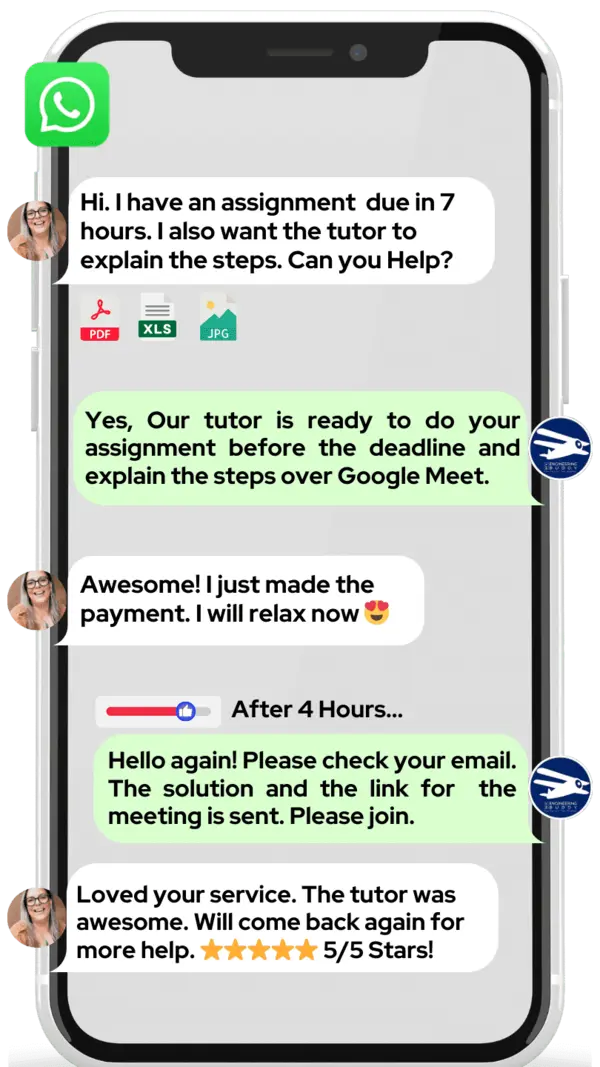
WhatsApp MEB for a quick quote — average response time under 1 minute.
Who This Edexcel Computer Science ICT and Digital Skills Tutoring Is For
This isn’t a broad computing course. Edexcel CS, ICT and Digital Skills has specific assessment structures — theory papers, programming tasks, and coursework components — that catch students off-guard. If any of the following applies, a 1:1 Edexcel Computer Science ICT and Digital Skills tutor will help faster than any other approach.
- Students with a university conditional offer depending on their Edexcel CS or ICT grade
- Students 4–6 weeks from their exam with gaps in theory (data structures, Boolean logic, network architecture) still open
- Students retaking after a failed first attempt at GCSE or A Level
- Students struggling to connect their Python or pseudocode coursework to the written exam questions
- Parents watching a child’s confidence drop alongside their grades in computer science
- Students working toward university entry at institutions like University of Manchester, University of Edinburgh, King’s College London, University of Toronto, or Macquarie University who need a strong Edexcel CS result
MEB tutors have supported students targeting Computer Science programmes at universities including Imperial College London, University of Waterloo, and Australian National University. Start with the $1 trial to see whether the match is right.
1:1 Tutoring vs Self-Study vs AI vs YouTube vs Online Courses
Self-study works if you’re disciplined — but there’s no one to catch a logic error in your pseudocode before it becomes a mark-scheme habit. AI tools explain concepts fast but can’t see that you’re misapplying Boolean operators in your specific Edexcel context. YouTube covers binary arithmetic and network topologies well enough until you hit a question that mixes two topics — then it stops. Online courses move at a fixed pace whether you’ve mastered the programming constructs or not. With MEB, a live tutor sees exactly where your understanding breaks down — in Edexcel’s specific assessment language — and fixes it in the session.
Outcomes: What You’ll Be Able To Do in Edexcel Computer Science ICT and Digital Skills
After consistent 1:1 sessions, students move from confused to confident across the areas that actually cost marks. Solve structured programming problems in Python or pseudocode using the correct Edexcel syntax conventions. Analyze data representation questions — binary, hexadecimal, two’s complement — without losing marks on conversion steps. Explain network architecture, protocols, and cybersecurity concepts in the precise language Edexcel mark schemes reward. Apply computational thinking to decompose, abstract, and algorithmically model real problems for the coursework component. Write clearly structured answers for the written theory papers, including ethics and digital society questions that students routinely underestimate.
Supporting a student through Edexcel Computer Science ICT and Digital Skills? MEB works directly with parents to set up sessions, track progress, and keep coursework on schedule. WhatsApp MEB — average response time is under a minute, 24/7.
Based on feedback from 40,000+ sessions collected by MEB from 2022 to 2025, 58% of students improved by one full grade after approximately 20 hours of 1:1 tutoring in subjects like Edexcel Computer Science ICT and Digital Skills. A further 23% achieved at least a half-grade improvement.
Source: MEB session feedback data, 2022–2025.
What We Cover in Edexcel Computer Science ICT and Digital Skills (Syllabus / Topics)
Track 1: Computer Science — Theory and Principles (GCSE & A Level)
- Data representation: binary, hexadecimal, two’s complement, character encoding (ASCII, Unicode)
- Computer architecture: CPU components, fetch-decode-execute cycle, memory types (RAM, ROM, cache)
- Networks: LAN, WAN, protocols (TCP/IP, HTTP, FTP), network security and encryption
- Algorithms and computational thinking: decomposition, abstraction, sorting and searching algorithms
- Boolean logic: logic gates, truth tables, logic circuits
- Systems software: operating systems, utility programs, virtual machines
- Ethical, legal, and social impacts of digital technology
Core textbooks: Edexcel GCSE Computer Science by PM Heathcote; Edexcel A Level Computer Science by PM Heathcote and R Heathcote (PG Online).
Track 2: Programming and Software Development
- Python programming: variables, data types, selection, iteration, functions, file handling
- Pseudocode conventions specific to Edexcel assessment
- Object-oriented programming concepts: classes, objects, inheritance, encapsulation
- SQL and database design: entity-relationship diagrams, normalisation (1NF–3NF)
- Algorithms in code: bubble sort, merge sort, linear and binary search implementations
- Debugging and trace tables for written exam questions
- Coursework project: problem definition, design, development, testing, and evaluation
Core textbooks: Computer Science for Edexcel A Level Year 1 and AS by George Rouse (Hodder Education); any Edexcel-endorsed Python workbook for GCSE programming tasks.
Track 3: ICT and Digital Skills (Vocational Qualifications)
- Digital information management: spreadsheets, databases, data validation and verification
- Digital communication and collaboration tools: email, cloud platforms, presentation software
- Cybersecurity fundamentals: threats, malware types, protective measures
- Digital content creation: word processing, desktop publishing, web design basics
- IT in organisations: roles, responsibilities, digital systems in business contexts
- Legal and ethical frameworks: GDPR, Computer Misuse Act, copyright
Core textbooks: BTEC National Information Technology by Jenny Phillips (Pearson); relevant Edexcel Digital Skills unit guides available via Pearson Qualifications.

What a Typical Edexcel Computer Science ICT and Digital Skills Session Looks Like
The tutor opens by checking the previous session’s topic — say, trace tables for a recursive algorithm — and asks you to walk through your attempt before anything new is introduced. From there, the session moves into the week’s target: perhaps SQL query construction or the ethics of AI in the workplace for a theory paper. The tutor works through a past-paper question using a digital pen-pad so you can see each step annotated in real time. You replicate the approach on the next question while the tutor watches, catching the exact point where your reasoning breaks. The session closes with a specific practice task — two trace table questions from a past November paper, or a 500-word structured response outline — and the next topic is noted so you arrive prepared.
At MEB, we’ve found that the biggest marks gap in Edexcel Computer Science isn’t the programming — it’s the written theory papers. Students who can code often lose marks explaining why a particular algorithm is more efficient, or describing network security in the structured language Edexcel rewards. That’s where the tutor earns the session.
How MEB Tutors Help You with Edexcel Computer Science ICT and Digital Skills (The Learning Loop)
Diagnose: In the first session, the tutor identifies your exact weak points — whether that’s data representation calculations, SQL syntax errors, or underdeveloped evaluation paragraphs in the theory paper. This shapes every session that follows.
Explain: The tutor works through live examples using a digital pen-pad or iPad with Apple Pencil — annotating Boolean logic diagrams, stepping through Python code line by line, or marking up a past-paper answer to show where marks were dropped.
Practice: You attempt the next question or coding task while the tutor watches. This is where most online courses fail — there’s no one to see the gap between what you think you understand and what you actually produce under pressure.
Feedback: Step-by-step error correction follows. The tutor explains exactly why a mark was lost — not just what the right answer is, but how the mark scheme reads it and what examiner language triggers credit.
Plan: Each session ends with a clear next-topic note and a short independent task. Progress is tracked against your exam date or coursework deadline, with the sequence adjusted as you improve.
Sessions run on Google Meet. The tutor uses a digital pen-pad or iPad with Apple Pencil for annotation. Before your first session, share your Edexcel specification code, a recent past paper attempt, and your exam or coursework deadline date. The first session covers a diagnostic task and sets the plan. Start with the $1 trial — 30 minutes of live tutoring that also serves as your first diagnostic. Whether you need a quick two-week catch-up on Python basics, structured revision over six weeks before your A Level exam, or ongoing weekly support through your BTEC coursework, the tutor maps the session sequence after that first diagnostic.
Students consistently tell us that the moment things click in Edexcel Computer Science is when they stop treating the theory and programming as separate subjects. Once you see that your SQL database design question is just an applied version of the normalisation theory you already studied, the mark-scheme language starts to make sense.
Tutor Match Criteria (How We Pick Your Tutor)
Not every computing tutor knows the Edexcel specification. Here’s what MEB checks before matching you.
Subject depth: tutors are matched to your specific qualification — GCSE, A Level, or vocational ICT — and must demonstrate knowledge of the relevant Edexcel specification code and assessment components.
Tools: every tutor works on Google Meet with a digital pen-pad or iPad and Apple Pencil — essential for annotating algorithms, logic diagrams, and code in real time.
Time zone: matched to your region — UK, US, Canada, Australia, or Gulf — so sessions happen when they’re actually useful, not at 2 a.m.
Goals: whether you need exam score improvement, coursework project support, or homework guidance on a specific programming task, the tutor is briefed on your target before session one.
Unlike platforms where you fill out a form and wait, MEB responds in under a minute, 24/7. Tutor match takes under an hour. The $1 trial means you test before you commit. Everything runs over WhatsApp — no logins, no intake forms.
Pricing Guide
Edexcel Computer Science ICT and Digital Skills tutoring starts at $20/hr for standard GCSE and vocational levels. A Level and specialist programming support typically runs $35–$70/hr. Rate factors include qualification level, topic complexity, your timeline, and tutor availability.
Exam windows fill fast. If your Edexcel exam is in May/June or November, tutor slots become scarce in the six weeks prior — book early.
For students targeting Computer Science programmes at selective universities, tutors with software development or academic research backgrounds are available at higher rates — share your specific goal and MEB will match the right tier to your target.
Start with the $1 trial — 30 minutes, no registration, no commitment. WhatsApp MEB for a quick quote.
Try your first session for $1 — 30 minutes of live 1:1 tutoring or one homework question explained in full. No registration. No commitment. WhatsApp MEB now and get matched within the hour.
FAQ
Is Edexcel Computer Science ICT and Digital Skills hard?
It’s demanding because it combines written theory papers with practical programming and coursework in the same qualification. Students who struggle usually underestimate the theory component — particularly data representation, Boolean logic, and structured written answers — while focusing only on coding practice.
How many sessions are needed to see improvement?
Most students notice measurable improvement within four to six sessions when sessions are focused on specific gaps. Closing a full grade gap typically takes 15–20 hours of targeted 1:1 work, depending on your starting point and exam timeline.
Can you help with homework and assignments?
Yes — MEB tutoring is guided learning. The tutor explains the concept and walks through the method; you complete and submit the work yourself. See our Academic Integrity policy and Why MEB page for full details on what we help with and what we don’t.
Will the tutor match my exact Edexcel syllabus or exam board?
Yes. MEB tutors are matched to your specific Edexcel specification — GCSE Computer Science (1CP2), A Level (9CP0), or the relevant BTEC/vocational unit. You won’t get a generic computing tutor who has to look up the mark scheme after the session.
What happens in the first session?
The tutor runs a short diagnostic — a past-paper question or coding task — to identify your exact gaps. From there, the session plan is built around your exam date or coursework deadline. Nothing generic. Every minute is used on your specific specification.
Is online tutoring as effective as in-person?
For Edexcel Computer Science specifically, online sessions have a practical advantage — the tutor can share code, annotate algorithms directly on screen, and pull up past papers in real time. Most MEB students find it as effective or faster than in-person work.
What’s the difference between Edexcel GCSE Computer Science and the BTEC Digital Skills qualification?
Edexcel GCSE Computer Science (1CP2) is an academic qualification assessed via written exams and a programming project. BTEC Digital Skills qualifications are vocational, assessed primarily through coursework units covering IT tools, digital communication, and workplace-relevant digital tasks — no written theory exam papers.
Can a tutor help with the Edexcel A Level Computer Science NEA (non-examined assessment)?
Yes. Tutors help with planning your NEA project — problem definition, design documentation, algorithm development, and evaluation write-up. All coding and documentation is produced and submitted by you. The tutor guides the methodology without doing the work for you.
Do you offer help at short notice — even the night before an exam?
Yes. WhatsApp MEB any time — response is typically under a minute, 24/7. If a tutor with your exact Edexcel specification knowledge is available, a session can start within the hour. Availability is tighter close to the May/June window, so earlier is better.
What if I’m studying both the ICT units and Computer Science theory — can one tutor cover both?
In most cases, yes. MEB matches tutors based on your full qualification profile. If your combination requires two distinct specialists, MEB will coordinate both rather than assigning a generalist who covers neither area with enough depth.
How do I get started?
WhatsApp MEB with your Edexcel qualification, your hardest topic, and your exam or deadline date. MEB matches you with a verified tutor — usually within 24 hours. The first session is a $1 trial: 30 minutes live or one question explained in full. Three steps: WhatsApp → matched → start trial.
Trust & Quality at My Engineering Buddy
Every MEB tutor goes through subject-specific screening before their first session. That means a live demo evaluation, not just a CV review. Tutors are assessed on their knowledge of the specific Edexcel specification they’ll be teaching, their ability to explain programming concepts clearly under pressure, and their familiarity with Edexcel mark-scheme conventions. Ongoing session feedback is reviewed — tutors who don’t consistently deliver are removed. Rated 4.8/5 across 40,000+ verified reviews on Google.
MEB tutoring is guided learning — you understand the work, then submit it yourself. For full details on what we help with and what we don’t, read our Academic Integrity policy and Why MEB.
MEB has been running since 2008, serving 52,000+ students across the US, UK, Canada, Australia, the Gulf, and Europe in 2,800+ subjects. Within Edexcel and adjacent technical qualifications, MEB tutors cover subjects including Edexcel Physics tutoring, Edexcel Economics help, and Edexcel Science tutoring — as well as the full Edexcel Computer Science ICT and Digital Skills range. The tutoring methodology is described in detail at MEB’s tutoring methodology page.
MEB has served students in Edexcel Computer Science and Digital Skills since 2008 — across GCSE, A Level, and vocational ICT qualifications. Every tutor is matched to the specific specification, not just the subject name.
Source: My Engineering Buddy, 2008–2025.
Explore Related Subjects
Students studying Edexcel Computer Science ICT and Digital Skills often also need support in:
- Edexcel Maths and Statistics
- Edexcel Business and Enterprise
- Edexcel Design and Technology
- Edexcel Engineering and Manufacturing
- Edexcel Esports
- Edexcel Finance and Accounting
- Edexcel General Studies
Next Steps
Before your first session, have ready: your Edexcel specification code and qualification level (GCSE, A Level, or vocational unit), a recent past paper attempt or a homework question you struggled with, and your exam or coursework deadline date. The tutor handles the rest.
- Share your exam board, hardest component, and current timeline
- Share your availability and time zone
- MEB matches you with a verified tutor — usually within 24 hours
The first session starts with a diagnostic so every minute is used well. Visit www.myengineeringbuddy.com for more on how MEB works.
WhatsApp to get started or email meb@myengineeringbuddy.com.
Reviewed by Subject Expert
This page has been carefully reviewed and validated by our subject expert to ensure accuracy and relevance.