

Hire Verified & Experienced
AP Music Theory Tutors
4.8/5 40K+ session ratings collected on the MEB platform



Hire The Best AP Music Theory Tutor
Top Tutors, Top Grades. Without The Stress!
52,000+ Happy Students From Various Universities



How Much For Private 1:1 Tutoring & Hw Help?
Private 1:1 Tutoring and HW help Cost $20 – 35 per hour* on average.
Most students fail the AP Music Theory free-response section not from lack of practice — but from writing voice-leading errors they can’t hear themselves making.
AP Music Theory Tutor Online
AP Music Theory is a College Board Advanced Placement course and exam covering music notation, ear training, harmony, counterpoint, and formal analysis. It equips students to read, write, and analyze music at an early college level.
If you’ve searched for an AP Music Theory tutor near me, MEB offers 1:1 online tutoring and homework help across all AP Music Theory units — from four-part writing to sight-singing and score analysis. Tutors work directly on your College Board syllabus. You won’t repeat errors you don’t know you’re making.
- 1:1 online sessions tailored to the AP Music Theory College Board syllabus
- Expert verified tutors with subject-specific knowledge in harmony, ear training, and counterpoint
- Flexible time zones — US, UK, Canada, Australia, Gulf
- Structured learning plan built after a diagnostic session
- Ethical homework and assignment guidance — you understand the work before you submit it
52,000+ students across the US, UK, Canada, Australia, and the Gulf have used MEB since 2008 — across 2,800+ subjects, from AP Calculus to A Level Music Technology to Data Science.
Source: My Engineering Buddy, 2008–2025.
How Much Does an AP Music Theory Tutor Cost?
Most AP Music Theory tutoring sessions at MEB run $20–$40 per hour. A $1 trial gets you 30 minutes of live 1:1 tutoring or a full explanation of one homework question — no registration required.
| Level / Need | Typical Rate | What’s Included |
|---|---|---|
| Standard (most levels) | $20–$35/hr | 1:1 sessions, homework guidance |
| Advanced / Specialist | $35–$70/hr | Expert tutor, advanced harmony and analysis |
| $1 Trial | $1 flat | 30 min live session or 1 homework question explained |
Tutor availability tightens significantly in the weeks before the May AP exam. Book early if you’re targeting a 4 or 5.
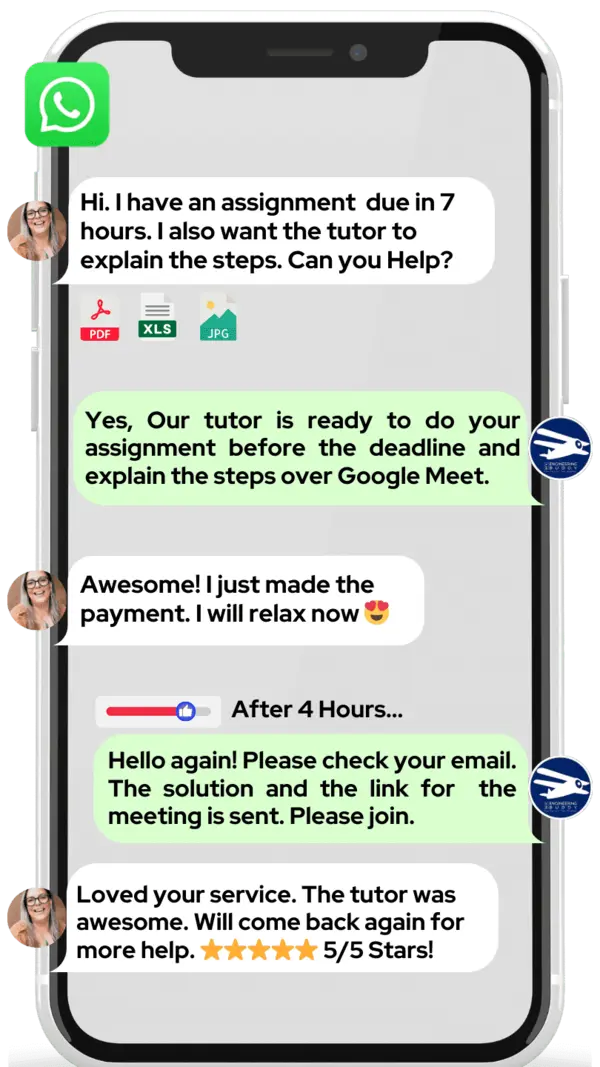
WhatsApp MEB for a quick quote — average response time under 1 minute.
Who This AP Music Theory Tutoring Is For
AP Music Theory draws in students from very different starting points — classically trained pianists who struggle with written theory, and students with strong notation skills who fall apart in the aural section. Both need different things from a tutor.
- High school students taking AP Music Theory for the first time and finding four-part SATB writing harder than expected
- Students retaking the AP exam after a 1 or 2, with a university music programme conditional offer depending on this score
- Students 4–6 weeks from the May exam with significant gaps in harmonic analysis or melodic dictation still to close
- Instrumentalists who read music but have never formally studied harmony or counterpoint
- Students needing homework and assignment guidance on music theory worksheets, practice FRQs, and score analysis tasks
- Parents looking for structured, accountable support that tracks progress week by week
Students who go on to study music, music education, or music technology at universities including the University of Michigan, Northwestern, NYU Steinhardt, Berklee Online, and the Royal Conservatoire of Scotland find a solid AP Music Theory foundation essential.
Supporting a student through AP Music Theory? MEB works directly with parents to set up sessions, track progress, and keep coursework on schedule. WhatsApp MEB — average response time is under a minute, 24/7.
1:1 Tutoring vs Self-Study vs AI Tools
Self-study works for motivated students — but AP Music Theory has a specific trap: you can drill Roman numeral analysis for weeks and still not understand why a chord progression sounds the way it does. AI tools can explain voice-leading rules clearly and generate practice exercises, but they cannot listen to your melodic dictation attempt, pinpoint where your interval recognition breaks down, or correct your part-writing in real time on a shared score. The aural skills component of AP Music Theory — sight-singing and dictation — genuinely requires live back-and-forth. An online AP Music Theory tutor provides that structured feedback loop, calibrated to your exact College Board unit sequence, without requiring you to leave your desk.
Outcomes: What You’ll Be Able To Do in AP Music Theory
After targeted 1:1 sessions, students are able to analyze a Bach chorale using Roman numeral notation and identify secondary dominants, applied chords, and non-chord tones with confidence. They can write a four-voice SATB harmonization that avoids parallel fifths, octaves, and voice-crossing errors. Students apply their understanding of formal structures — binary, ternary, sonata — to score excerpts in the free-response section. They explain melodic contour, cadence types, and phrase structure in written responses. And they present sight-singing lines accurately in the aural performance portion, reading rhythmic and melodic patterns at sight.
Based on feedback from 40,000+ sessions collected by MEB from 2022 to 2025, 58% of students improved by one full grade after approximately 20 hours of 1:1 tutoring in a single subject. A further 23% achieved at least a half-grade improvement.
Source: MEB session feedback data, 2022–2025.
What We Cover in AP Music Theory (Syllabus / Topics)
AP Music Theory covers five College Board units. MEB tutors work across all of them, with particular depth in the areas students find hardest.
Music Fundamentals and Notation
- Pitch notation: treble, bass, alto, and tenor clefs
- Rhythm, meter, and time signatures — simple and compound
- Major and minor scales, modes, and key signatures
- Intervals — identification, quality, and inversion
- Transposition for common orchestral instruments
- Diatonic chord construction and figured bass symbols
Textbooks: Music in Theory and Practice (Benward & Saker), The Complete Musician (Laitz) — both align closely with the College Board AP unit sequence.
Harmony, Voice Leading, and Part Writing
- Four-part SATB writing: voice ranges, spacing, and doubling rules
- Chord progressions using primary and secondary triads
- Dominant seventh chords, inversions, and resolution
- Secondary dominants and applied chords (V/V, V/IV, etc.)
- Modulation: pivot chord, direct, and chromatic techniques
- Non-chord tones: passing tones, suspensions, neighbor tones, anticipations
- Neapolitan and augmented sixth chords at the advanced level
Textbooks: Tonal Harmony (Kostka, Payne & Almén) and Music in Theory and Practice Vol. 1 are the most-used references for this track.
Aural Skills, Analysis, and Formal Structure
- Melodic and harmonic dictation — single and two-voice
- Sight-singing using solfège or scale-degree numbers
- Interval and chord quality identification by ear
- Score analysis: phrase structure, cadence types, and motivic development
- Musical forms: binary, ternary, rounded binary, and sonata-allegro
- Style identification across common practice period excerpts
Textbooks: Ear Training: A Technique for Listening (Benward & Kolosick) and Music for Sight Singing (Ottman & Rogers) support this track directly.
The AP Music Theory exam is administered by the College Board each May. For full exam specifications, visit the College Board AP Music Theory page.

What a Typical AP Music Theory Session Looks Like
The tutor opens by reviewing the previous session’s topic — say, resolving a V7 chord to I in four parts — and asks you to walk through one example you attempted since the last session. From there, you and the tutor work through two or three new part-writing problems on a shared score in the whiteboard tool. The tutor writes annotations with a digital pen-pad, showing exactly where a parallel fifth crept in and how the alto voice should have moved instead. You replicate the correction and explain the rule in your own words. In the aural segment, the tutor plays a short melody and you attempt dictation; the tutor pauses at the exact interval you misidentified and drills it until it’s locked. The session closes with a specific practice task — a short harmonization plus five dictation exercises — and the next topic is noted: modulation via pivot chord.
How MEB Tutors Help You with AP Music Theory (The Learning Loop)
Diagnose: In the first session, the tutor works through a short College Board-style FRQ with you — usually a part-writing or harmonic analysis question — to identify exactly where your gaps are. Is it voice-leading rules? Interval recognition? Roman numeral labelling? The answer shapes every session that follows.
Explain: The tutor demonstrates live on a shared digital score, annotating in real time with a pen-pad. No pre-recorded videos. If you don’t follow the resolution of a diminished seventh chord the first time, the tutor shows it three different ways until it clicks.
Practice: You attempt the next problem while the tutor watches. This is the part self-study skips. Errors surface immediately — before they become habits.
Feedback: The tutor goes through each error step by step, explaining not just what went wrong but why it costs marks on the AP exam. Voice-crossing, wrong doubling, unresolved leading tone — each gets a named rule and a fix.
Plan: At the end of every session, the tutor notes what’s mastered and what’s next. You leave with a concrete task and a clear picture of where the next hour of work goes.
Sessions run on Google Meet. The tutor uses a digital pen-pad or iPad with Apple Pencil to annotate scores directly. Before your first session, share your most recent theory worksheet or practice FRQ, your current AP unit, and your exam date. Start with the $1 trial — 30 minutes of live tutoring that also serves as your first diagnostic.
Students consistently tell us that the aural skills section felt impossible until a tutor sat with them through three or four dictation attempts in a row — catching the exact interval they were mishearing and drilling it in context. That kind of targeted repetition is very hard to replicate alone.
Tutor Match Criteria (How We Pick Your Tutor)
Not every music theory tutor is right for AP specifically. Here’s what MEB checks.
Subject depth: Tutors are matched on their familiarity with the College Board AP Music Theory unit sequence — not just general music theory knowledge. They need to know the exam format, the FRQ types, and the aural skills rubric.
Tools: Every session uses Google Meet with a shared score or whiteboard. The tutor uses a digital pen-pad or iPad with Apple Pencil to annotate in real time — essential for part-writing and score analysis work.
Time zone: MEB covers New York, Los Angeles, Chicago, London, Dubai, Toronto, Sydney, Melbourne, and all major US, UK, Gulf, Canadian, Australian, and European time zones — evenings and weekends included.
Learning style: Calibrated from the first session. Some students need the rule first, then the example. Others need to hear the sound before the notation makes sense. The tutor adjusts.
Communication: Clear English, adapted to the student’s level — whether that’s a 10th-grader encountering figured bass for the first time or a student who plays at conservatoire level but has never formally studied harmony.
Goals: Whether you’re targeting a 5 on the May exam, catching up on a homework backlog, or building a foundation for AP Art History tutoring alongside music, the tutor is matched to your specific aim.
Unlike platforms where you fill out a form and wait, MEB responds in under a minute, 24/7. Tutor match takes under an hour. The $1 trial means you test before you commit. Everything runs over WhatsApp — no logins, no intake forms.
Study Plans (Pick One That Matches Your Goal)
After the diagnostic session, your tutor builds a specific sequence. Three common structures: a catch-up plan covering 2–3 priority units in 1–3 weeks for students with an immediate gap to close; an exam prep plan running 4–8 weeks from your current date to the May AP exam, working through all unit areas with timed FRQ practice; or ongoing weekly support aligned to your school’s pacing, keeping you ahead of each new unit as it’s introduced. The tutor decides the sequence — you decide the pace.
At MEB, we’ve found that students who share a specific past FRQ they struggled with before the first session make noticeably faster progress in the first two weeks. The tutor can see exactly what the gap is and start there, rather than running a generic review.
Pricing Guide
AP Music Theory tutoring starts at $20/hr for standard sessions. Advanced work — extended harmonic analysis, intensive aural training, or last-minute exam cramming with an experienced tutor — runs up to $100/hr at the specialist tier. Rate factors include your current unit, the complexity of the FRQ types you need, your timeline, and tutor availability.
For students targeting music programmes at competitive conservatoires or universities with music theory placement requirements, tutors with professional performance or academic music backgrounds are available at higher rates — share your specific goal and MEB will match the tier to your ambition.
Availability drops sharply in April and early May. Start with the $1 trial — 30 minutes, no registration, no commitment. WhatsApp MEB for a quick quote.
FAQ
Is AP Music Theory hard?
It’s one of the more demanding AP exams for students without prior theory training. The combination of written harmony, aural skills, and free-response analysis catches many students off guard. With structured 1:1 support, the individual components become manageable, and most students see clear progress within the first four to six sessions.
How many sessions are needed to improve in AP Music Theory?
It depends on your starting point and exam date. Students with solid fundamentals but weak part-writing often need 6–10 targeted sessions. Students building from scratch ahead of the May exam typically benefit from 15–20 hours spread across eight weeks, focusing on harmony, aural skills, and timed FRQ practice in rotation.
Can you help with AP Music Theory homework and assignments?
Yes. MEB tutors guide you through worksheets, part-writing exercises, harmonic analysis tasks, and practice free-response questions. The goal is always that you understand the work fully before submitting it yourself.
MEB tutoring is guided learning — you understand the work, then submit it yourself. For full details on what we help with and what we don’t, read our Academic Integrity policy and Why MEB.
Will the tutor match my exact AP Music Theory syllabus and exam board?
Yes. AP Music Theory is a College Board programme, and MEB tutors are matched specifically on their knowledge of that unit sequence and exam format — including the multiple-choice aural section, the written free-response questions, and the sight-singing performance component.
What happens in the first AP Music Theory session?
The tutor starts with a short diagnostic — usually a part-writing example or harmonic analysis passage — to identify exactly where your gaps are. From there, the session moves into active work on your weakest area. You leave with a concrete task and a clear plan for the next session.
Is online AP Music Theory tutoring as effective as in-person?
For written theory, yes — shared digital scores and pen-pad annotation replicate what an in-person whiteboard does. For aural skills, the tutor plays examples over audio and responds in real time via Google Meet. Most students adapt within the first session and find the format works well for AP exam preparation.
Can I get AP Music Theory help late at night or on weekends?
MEB tutors cover all major time zones, including US evenings and weekends. If you’re studying at 11pm before a unit test or need a session on a Sunday morning before a Monday deadline, availability exists. Contact MEB on WhatsApp and a tutor can usually be matched within the hour.
What if I only need help with the aural skills section?
That’s a common request. MEB can match you with a tutor who focuses specifically on melodic and harmonic dictation, interval recognition, and sight-singing — without running through the written theory units if you’ve already covered them. Share your specific gap and the tutor builds the session around it.
Do you offer group AP Music Theory sessions?
No. MEB sessions are 1:1 only. Group tutoring creates pace problems — one student’s gap in secondary dominants slows down a student who already has that unit. Every MEB session is built around one student’s specific needs at that moment.
How do I get started with an AP Music Theory tutor?
Three steps: WhatsApp MEB with your current unit, your exam date, and your main gap. MEB matches you with a verified AP Music Theory tutor — usually within the hour. Your first session starts for $1 — 30 minutes of live 1:1 tutoring or one homework question explained in full.
Trust & Quality at My Engineering Buddy
Every MEB tutor goes through subject-specific screening before working with students — this includes a live demo evaluation, a review of their academic background and teaching experience, and ongoing quality checks based on student feedback. Tutors covering AP Music Theory are vetted on their knowledge of the College Board unit sequence, the FRQ rubric, and the aural skills assessment format. Rated 4.8/5 across 40,000+ verified reviews on Google.
MEB has been running 1:1 online tutoring since 2008. The screening process hasn’t changed: a tutor either demonstrates they can teach the subject clearly under exam conditions, or they don’t work with MEB students.
Source: My Engineering Buddy, 2008–2025.
MEB tutoring is guided learning — you understand the work, then submit it yourself. For full details on what we help with and what we don’t, read our Academic Integrity policy and Why MEB.
MEB serves students across the US, UK, Canada, Australia, Gulf, and Europe in 2,800+ subjects since 2008. Alongside AP Music Theory, students regularly come to MEB for AP English Literature and Composition tutoring, AP US History homework help, and AP Statistics tutoring.
Try your first session for $1 — 30 minutes of live 1:1 tutoring or one homework question explained in full. No registration. No commitment. WhatsApp MEB now and get matched within the hour.
A tutor who has marked AP Music Theory free-response papers knows exactly which voice-leading errors cost the most marks — and works backwards from that to build your session plan.
Source: My Engineering Buddy, 2008–2025.
Explore Related Subjects
Students studying AP Music Theory often also need support in:
- AP Art History
- AP English Language and Composition
- AP Seminar
- AP Research
- AP African American Studies
- AP European History
- AP Psychology
Next Steps
Getting started takes less than two minutes.
- Share your AP Music Theory unit, your hardest component (part-writing, aural skills, score analysis), and your exam or deadline date
- Share your availability and time zone
- MEB matches you with a verified AP Music Theory tutor — usually within 24 hours
Before your first session, have ready: your College Board unit and syllabus (or a recent course outline), a past FRQ attempt or homework worksheet you struggled with, and your May exam date or next assignment deadline. The tutor handles the rest.
Visit www.myengineeringbuddy.com for more on the MEB process, how tutor matching works, and what to expect in your first session.
WhatsApp to get started or email meb@myengineeringbuddy.com.
Reviewed by Subject Expert
This page has been carefully reviewed and validated by our subject expert to ensure accuracy and relevance.

