
Tutoring Club Reviews, Alternatives, Pricing, & Offerings in 2025

Tutoring Club is a long-established tutoring franchise (founded 1991) offering personalized K–12 academic support up to college-prep. Its mission is to create confident, self-motivated learners by providing individualized tutoring plans for each student. This article helps college students and parents compare Tutoring Club to other platforms, covering real reviews, pricing, services, and how it stacks up against alternatives like My Engineering Buddy.
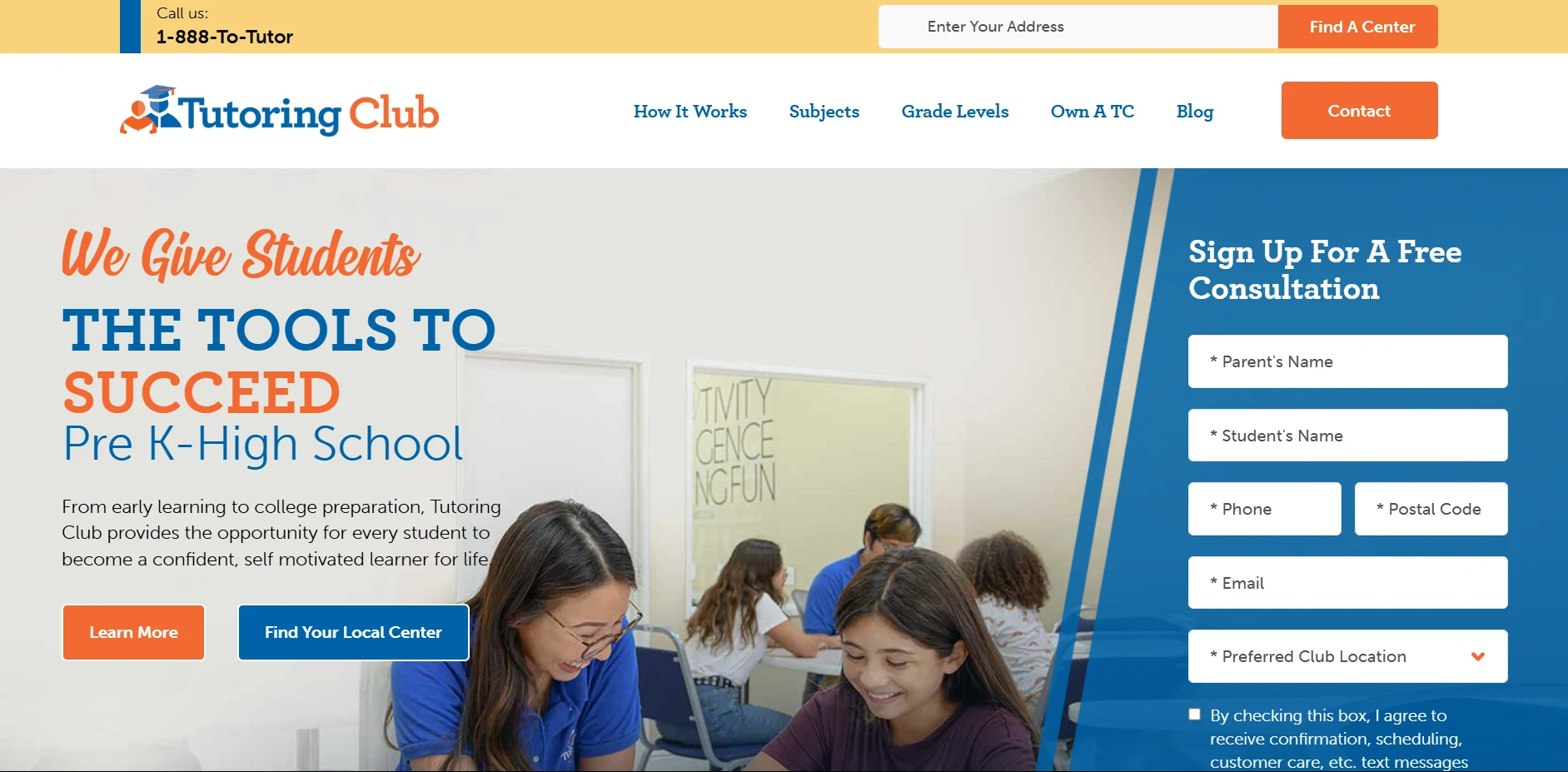
Tutoring Club Reviews and Testimonials
Tutoring Club’s own site is full of glowing testimonials. For example, one parent reported their child jumped “almost 3 grade levels in 1½ years” of tutoring, and another said the program got a third grader “up to speed for her grade and even helping classmates with long division” after a few months. Many positive comments on the site praise the talented tutors and structured plans. However, independent reviews paint a mixed picture.
Some parents rave that their child’s SAT score “improved 250 points,” and confidence soared, but others complain of high cost and little progress. One Yelp reviewer said after 77 hours of tutoring, there was “no reading improvement”. Business ratings (BBB) show Tutoring Club is real (in business since 1991) but not BBB-accredited, and user reviews vary by location.
Is Tutoring Club legit? Yes. It’s a bona fide U.S. tutoring franchise with decades of operation. It has dozens of centers nationwide (65 locations as of 2025) and international franchises (e.g. Dubai). Legitimate company status is supported by customer reports and a long track record. That said, individual franchise experiences differ: some families love it, others find it pricey or ineffective.
Summary: Overall, Tutoring Club is a legitimate, established tutoring center that many parents credit with improving grades and test scores. Reviews on its own site and social media are overwhelmingly positive, highlighting caring tutors and progress reporting. But independent reviews (Yelp, MapQuest) show occasional frustrations over cost and results. In short, Tutoring Club works well for some students, but experiences are not uniformly stellar across all locations.
Tutoring Club Pricing
Tutoring Club does not publish standard rates (prices vary by location, tutor, and service). Parents report hourly rates around USD $50–70 for one-on-one tutoring (roughly GBP £40–60, AED 180–250, AUD 75–100) in the U.S. market. For context. Varsity Tutors tutors run about $55–75/hr, and Wyzant tutors often charge ~$35–60/hr. Actual costs depend on the subject and tutor experience. Some centers offer packages (e.g. Groupon deals were ~4 sessions + assessment for $99, implying ~$68/hr pre-discount), while others charge full price per session plus an initial assessment fee (around $75).
-
Student feedback on pricing: Some families find Tutoring Club expensive. A few reviewers called it “very expensive” for the results received. However, others say the cost is comparable to similar tutoring programs. One parent noted that “affordable payment plans” (0% financing) helped them sign up.
-
Hidden or extra costs: Expect an enrollment/diagnostic fee (often around $75 for assessments) and prep-pack or workbook fees. Some report being “locked in” to a large prepaid package. Cancellation policies can be strict; one parent complained that the refund policy only applied to the first two months of a prepaid plan.
-
How pricing works: Payment is typically monthly or per session. Many centers accept credit cards, and some offer financing or payment plans (e.g. 0% interest). New clients usually start with a free consultation and diagnostic test (not a full “free trial” session). Discounts or bundles may be available if you buy sessions in bulk.
-
Free trial: Tutoring Club does not advertise a free trial class. Instead, they usually provide a free initial academic assessment. This helps set the tutoring plan.
-
Refund policy: The official refund policy isn’t clearly published. According to some reviews, refunds are only possible very early on. For example, a customer wrote that refunds were only allowed “within two months” of purchase and otherwise not honored. In contrast, some newer competitors (like My Engineering Buddy) boast clear, generous refund policies.
Tutoring Club Alternatives
Students often compare Tutoring Club to other tutoring options. Here are some popular alternatives:
-
My Engineering Buddy (MEB): An online platform focusing on higher-level STEM and professional subjects. Tutors are often from top universities and available 24/7 worldwide. MEB covers engineering, computer science, business, test prep, and more – far beyond K-12. Pros: Specialized in advanced subjects; global reach (US, UK, Canada, Australia, Gulf countries); high reported satisfaction (students rate it 5 stars, word-of-mouth referrals); typically more affordable online tutoring. Cons: Less focus on basic K-12 subjects; no local in-person centers; tutors may not be certified classroom teachers.

-
Varsity Tutors: A large U.S. company offering tutoring in almost any subject or test prep. They have thousands of tutors (all vetted) and both in-person and online sessions. Pros: Very broad subject coverage (math, sciences, languages, SAT/ACT, college courses); flexible scheduling; interactive online platform; group classes available. Cons: Pricing is on the higher end ($55–75/hr for SAT prep, similar to top market rates) and can run high ($$$). Session quality varies by tutor (though all are screened).
-
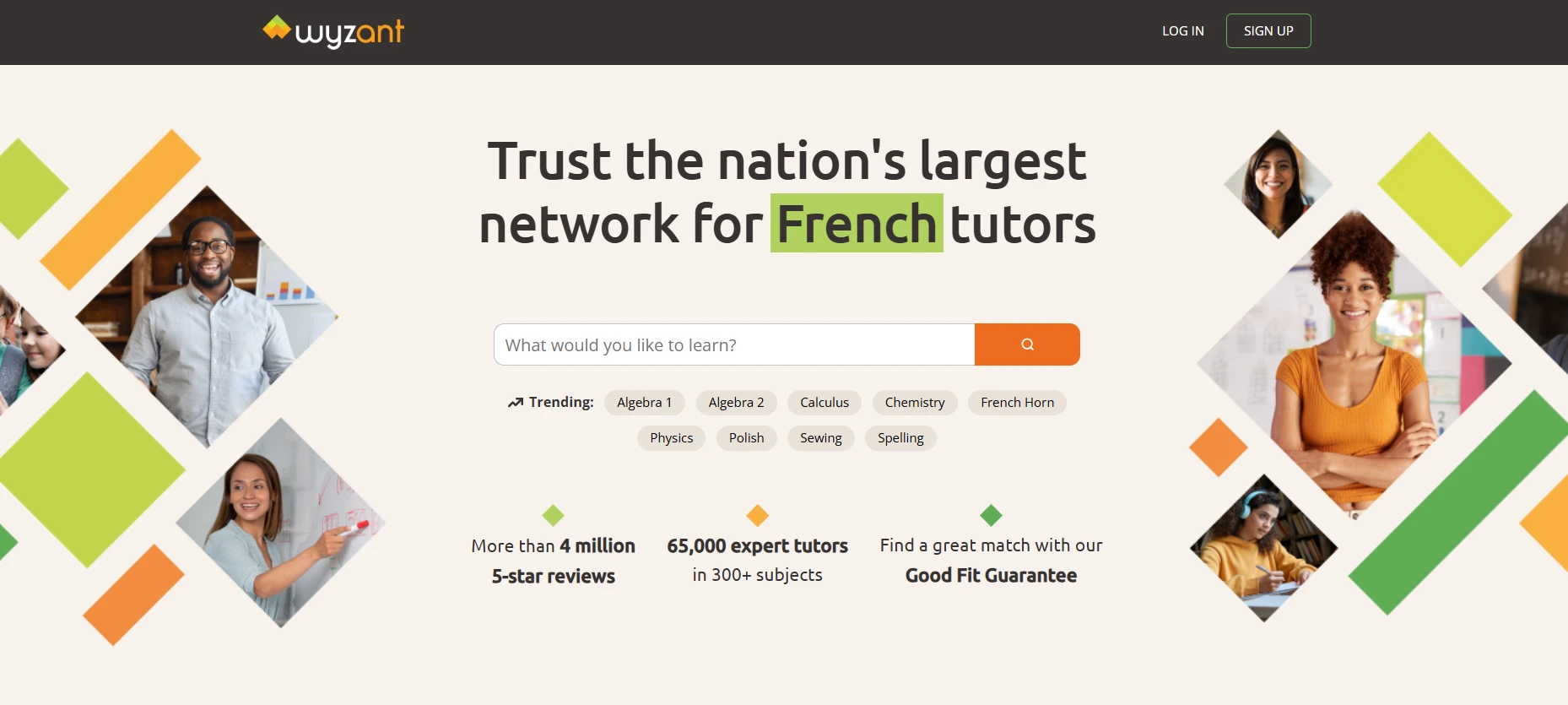
Wyzant: An independent tutor marketplace where students pick their own tutor. Pros: Huge selection (tutors set their own rates, averaging $35–60/hr); subjects from algebra to accounting; instant messaging and session recording features. Cons: Quality varies widely since tutors range from college students to PhDs; no set curriculum; less accountability. Pricing can be cheaper for basic tutors, but elite tutors on Wyzant can charge over $100/hr.
-
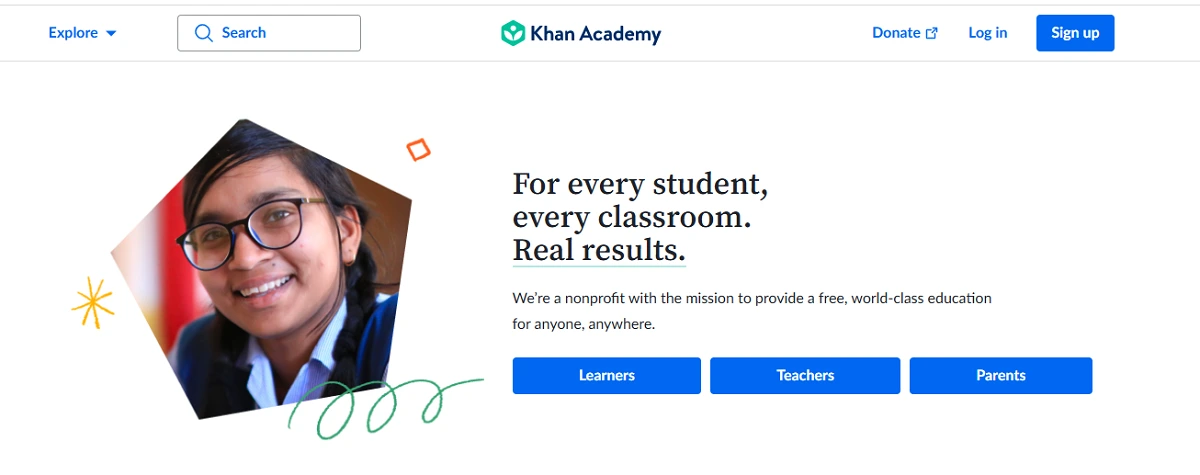
Khan Academy: A free online resource covering math, science, humanities, and test prep from elementary through high school. Pros: Completely free with no enrollment; high-quality video lessons and practice exercises; partners with schools. Cons: Self-paced videos, no live tutor assistance; best for motivated students who can study on their own.
-
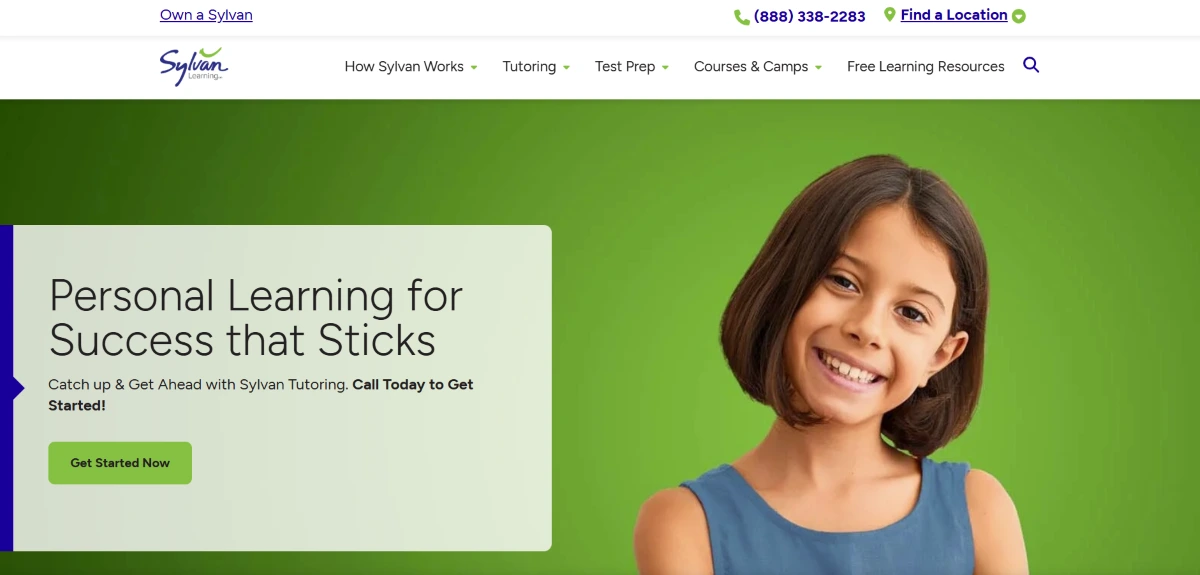
Sylvan Learning (or Club Z!): Traditional tutoring franchises (Sylvan centers and Club Z in-home tutoring). Pros: Extensive curriculum (reading, math, writing); in-person programs and structured curricula. Cons: Similar high pricing ($50–70/hr+); less flexible (Sylvan centers have fixed programs); quality depends on local franchise.
Each of these alternatives has its own balance of cost, specialization, and convenience. For example, Tutoring Club and Sylvan both offer structured programs with certified instructors, while Varsity and Wyzant are more a-la-carte. My Engineering Buddy stands out for college and engineering help, whereas Tutoring Club focuses on school-aged students.
How It Works
For Students:
-
Assessment: New students usually begin with an academic assessment to identify strengths and gaps. This helps diagnose exactly what topics or skills need work.
-
Customized Plan: Tutoring Club creates a tailored “game plan” with the student and family. This plan sets goals (like boosting a math grade) and schedules sessions around the student’s other commitments. The plan is flexible and revisited often.
-
Tutoring Sessions: Students meet one-on-one with a dedicated tutor in-center or online (via “TC Online”). Tutors explain concepts step-by-step, give practice, and build study skills. The learning pace and content are adjusted to the student’s needs. Parents receive regular progress reports on the student’s performance (Tutoring Club promises to “create frequent reports to demonstrate how the student is performing.”.
Students simply sign up online or at a local center, do the initial assessment (often free), then schedule ongoing sessions. Sessions are typically 1 hour each, scheduled weekly or biweekly.
For Tutors:
-
Becoming a Tutor: Candidates typically need a strong academic background. One Tutoring Club listing, for example, requires a bachelor’s degree (or being in a degree program) and at least 1 year of tutoring experience. Many tutors are current or former teachers, or college STEM/humanities majors. Candidates submit a resume and cover letter via the center’s careers page.
-
Qualifications & Training: Tutoring Club screens tutors rigorously and provides ongoing training. Tutors must pass background checks (fingerprinting/TB test). The goal is to ensure qualified, trustworthy tutors.
-
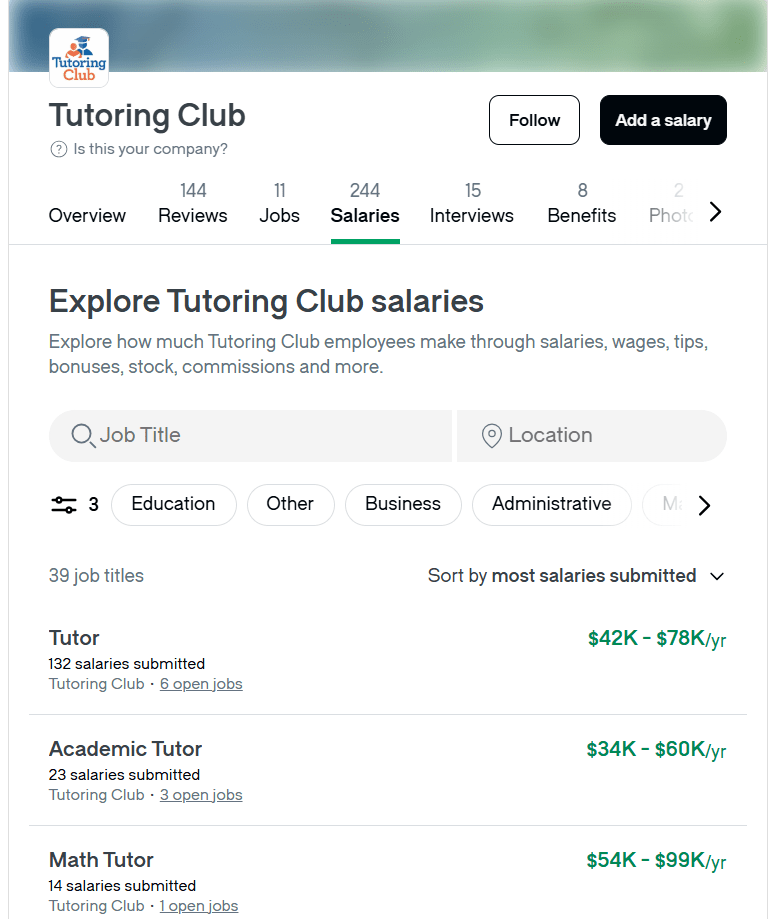
Earnings: Tutoring Club pays by the hour. According to Indeed, roles at the Club range roughly $13–$23/hr. In practice, most tutors report $15–25 per hour depending on subject and experience. There’s no multi-level pricing: the center sets rates for clients and pays tutors a set hourly wage.
-
Work Schedule: Most tutoring is after school and on Saturdays. Centers generally need tutors Monday–Thursday (after 3pm) and Saturday mornings. This flexible part-time schedule suits educators and college students.
-
Booking Clients: Tutors do not find their own clients; the center assigns students. Strong tutors can earn bonuses by taking on more students or leading small group sessions. Positive word-of-mouth from satisfied families can also bring in more work – for example, one platform notes that 100% of its inquiries come by word-of-mouth from happy students, a marketing principle Tutoring Club also strives for.
-
Drawbacks for Tutors: Tutors note that pay is modest relative to industry, and hours can be limited (kids leave for home). Some comment that center franchising means tutors have less control than freelancing on a site like Wyzant.
Company Information
-
Founded: 1991 (corporate franchise model later).
-
Founders/Owner: (Private, not widely publicized).
-
Headquarters: Fountain Valley, California.
-
Size: ~65 franchise locations in the U.S. (plus international locations like Dubai, UAE). Staff count is not public, but each center has multiple tutors and support staff.
-
Services & Subjects: Tutoring Club covers all K–12 subjects – math, reading, English, writing, science, social studies – plus study skills and standardized test prep (SAT/ACT) Each student gets a customized program rather than a one-size curriculum.
-
Unique Features:
-
Personalized Mentorship: Tutors act as mentors, focusing on the whole student and building confidence.
-
Award-Winning Curriculum: Proprietary reading, writing and math programs ensure mastery of fundamentals.
-
Flexible Options: Students can attend in-center or online sessions (“TC Online”), and tutoring is offered any time to fit family schedules. Some centers offer financing to fit budgets.
-
Progress Tracking: Frequent progress reports keep parents informed, and grades are checked regularly. The system aims for long-term improvement, not just short-term tutoring.
-
-
Drawbacks (from reviews):
-
High Cost: Many find Tutoring Club’s rates on the high end (no “bargain” options) compared to other services.
-
Variable Quality: Tutor skill levels can vary by center. Some reviews noted little improvement after many hours.
-
Rigid Policies: Prepaid session packs can be restrictive. A parent reported a refund policy limited to only two months after purchase.
-
K–12 Focus: Not suited for college/engineering help. (For advanced subjects, My Engineering Buddy might be better.)
-
-
Comparison with My Engineering Buddy: Tutoring Club and MEB serve different markets. Tutoring Club claims to be a long-term academic partner for K–12 (and college prep) students. My Engineering Buddy markets itself as an expert platform for engineering, science, and math at college/graduate level. In terms of pricing and expertise, MEB tutors often have advanced degrees and global expertise (often at lower hourly rates), whereas Tutoring Club focuses on school curriculum. Users note MEB’s strong testimonials and 5-star ratings, while Tutoring Club relies on local success stories. Ultimately, a student needing K–12 or ACT prep may prefer Tutoring Club; someone needing help with, say, thermodynamics or programming may find MEB more suitable.
Customer Support and Policies
-
Responsiveness: Tutoring Club support is handled locally by each franchise. Many centers offer quick phone/email response during business hours. Corporate does not publicize 24/7 support. In general, customers report average responsiveness from centers.
-
Refund/Guarantee: Tutoring Club offers no money-back guarantee. The (unpublished) policy seems very limited: some customers say refunds apply only if canceled almost immediately. In contrast, My Engineering Buddy touts a clear refund policy, noting that <1% of students ever request a refund. This suggests MEB has more customer-friendly refund terms.
-
Areas MEB Excels: MEB’s 24×7 online model and transparent policies stand out. Its tutors cover many advanced subjects with guaranteed expertise, and the company promotes nearly no-refund requests (0.87% rate). By comparison, Tutoring Club’s model is more personal but less flexible (e.g. limited hours, strict payment packs). In global reach, MEB explicitly supports Gulf and Western curricula, whereas Tutoring Club mainly serves English-speaking markets (USA and some Gulf centers).
Global Reach and Localization
Tutoring Club is primarily a North American franchise, but it also operates abroad. For example, there is a Tutoring Club in Dubai serving Pre-K through college prep students. The even offers programs in Arabic and English to match local needs. Overall, focuses on English-language K–12 curriculum (aligned with state standards) and maintains “close relationships with local schools to stay relevant.
-
International presence: Besides the USA, Tutoring Club has centers in the Middle East (UAE) and possibly other countries via franchise agreements. It does not advertise multi-language online tutoring beyond local branches.
-
Localization: Each center tailors its materials to local curricula. They often communicate with a student’s school and customize content to state standards. MEB, by contrast, is fully online and explicitly serves students in the US, UK, Canada, Australia, and Gulf countries. It offers help across these educational systems.
Future Plans
While Tutoring Club hasn’t publicly announced new products, industry trends suggest several likely directions:
-
AI and Intelligent Tutoring: The company will likely invest in tech-enhanced learning. Industry experts note that AI-driven tutoring systems can tailor content to each student and provide instant feedback. Tutoring Club may adopt similar tools (e.g. AI-driven practice exercises or chatbots) to supplement human tutors and improve learning outcomes.
-
Expanded Virtual Platform: Having launched “TC Online”, Tutoring Club is poised to grow its online offerings. As demand for remote learning continues growing worldwide, Tutoring Club may add more online-only programs or 24/7 access. (For example, other franchises now blend live video tutoring with recorded lessons.)
-
New Subjects and Programs: Some tutoring brands are introducing coding, robotics, and college placement counseling. Tutoring Club could expand beyond core subjects to new enrichment programs for STEM or college readiness.
-
Global Expansion: Given the explosive growth in private tutoring globally, Tutoring Club may look to open more international franchises. They could target affluent markets in the Gulf or Asia where U.S.-style tutoring is in demand.
-
School Partnerships: With public schools embracing supplemental tutoring (especially post-pandemic), Tutoring Club may form more partnerships with districts or offer in-school tutoring services.
FAQs About Tutoring Club
-
How does Tutoring Club compare to My Engineering Buddy? Tutoring Club focuses on K–12 education (reading, math, science, test prep, etc.) with local centers and one-on-one tutors. My Engineering Buddy, by contrast, is an online platform specializing in college-level engineering and STEM courses. MEB’s tutors often have advanced degrees and work 24/7 across countries, whereas Tutoring Club’s tutors are mainly local school-subject experts. Pricing and guarantees also differ (MEB touts a robust refund policy).
-
What grades and subjects does Tutoring Club cover? It serves all grade levels from elementary through high school. Subjects include all core K-12 topics (math, reading, writing, science, history, languages) plus study skills and SAT/ACT prep. In short, Tutoring Club covers “all subjects, all grade levels” in its tutoring plans.
-
How much does Tutoring Club cost per hour? Rates vary by location and tutor. Generally, expect on the order of $50–$70 per hour in the U.S. (about £40–60, AED ~180–250, AUD ~75–100). For reference, SAT/ACT tutoring with Varsity Tutors runs roughly $55–75/hr testprepinsight.com, and private tutors on Wyzant average $35–60/hr. Tutoring Club customizes plans, so exact pricing is given only after an assessment and depends on how many sessions you buy.
-
Can I get Tutoring Club sessions online? Yes. Tutoring Club offers virtual tutoring through “TC Online.” Their platform lets students meet award-winning tutors via video chat, whiteboard, and screen sharing. Families can choose in-center, online, or a mix of both.
-
How are tutors selected and qualified? Tutors are rigorously screened and trained by Tutoring Club. The company typically hires college-educated instructors (often subject-matter experts) and provides ongoing training. Tutors undergo background checks and are chosen for their teaching skills and ability to mentor students.
-
Will I get progress reports on my child? Yes. Tutoring Club emphasizes parent involvement. They produce frequent progress reports to show how the student is doing. Tutors and managers meet with families regularly to review grades and adjust the learning plan as needed.
Conclusion
Tutoring Club offers a comprehensive, personalized tutoring program for school-age students. Its strengths include well-screened tutors, custom curriculum, and a structured plan that builds confidence. Families praise its mentorship approach and in-depth progress tracking. However, drawbacks include high cost and variable results. Some users report frustration with strict prepaid packages and minimal refunds.
In summary, Tutoring Club can be very effective for motivated K–12 students who need long-term support and can afford it. For college-level or specialized STEM help, platforms like My Engineering Buddy may offer better expertise and pricing. Whether Tutoring Club is the right fit depends on your student’s level and learning goals. Students and parents should weigh Tutoring Club’s proven, one-on-one model against online alternatives and choose the platform that best matches their needs.
******************************
This article provides general educational guidance only. It is NOT official exam policy, professional academic advice, or guaranteed results. Always verify information with your school, official exam boards (College Board, Cambridge, IB), or qualified professionals before making decisions. Read Full Policies & Disclaimer , Contact Us To Report An Error