
What Is Risk Management in the Construction Industry? A Complete Guide

Do you want to take a look at risk management in construction? So you are in the right place.
As you know, if you want to be successful in a construction project, you must face the risks of the construction industry. Because if you do not reduce risks, you will not be able to complete your project properly. For construction tasks, it is important to hire skilled people so if any risk occurs, they can solve it efficiently. If you want to know the in-depth information about risks in construction management, you are in the right place. From this guide, you will learn everything, like which risks come and how to manage those risks to overcome challenges.
Do you want to know how to overcome the risks that come in construction? Are you looking for an effective management company that reduces risks and provides cost estimation to know how much budget is needed to reduce risks? Our SMA Estimating LLC construction estimating company is here to provide you with skilled professionals who will guide you to manage risks and overcome challenges within the budget.
Before going into in-depth detail of risk management, let’s take a look at construction risk management.
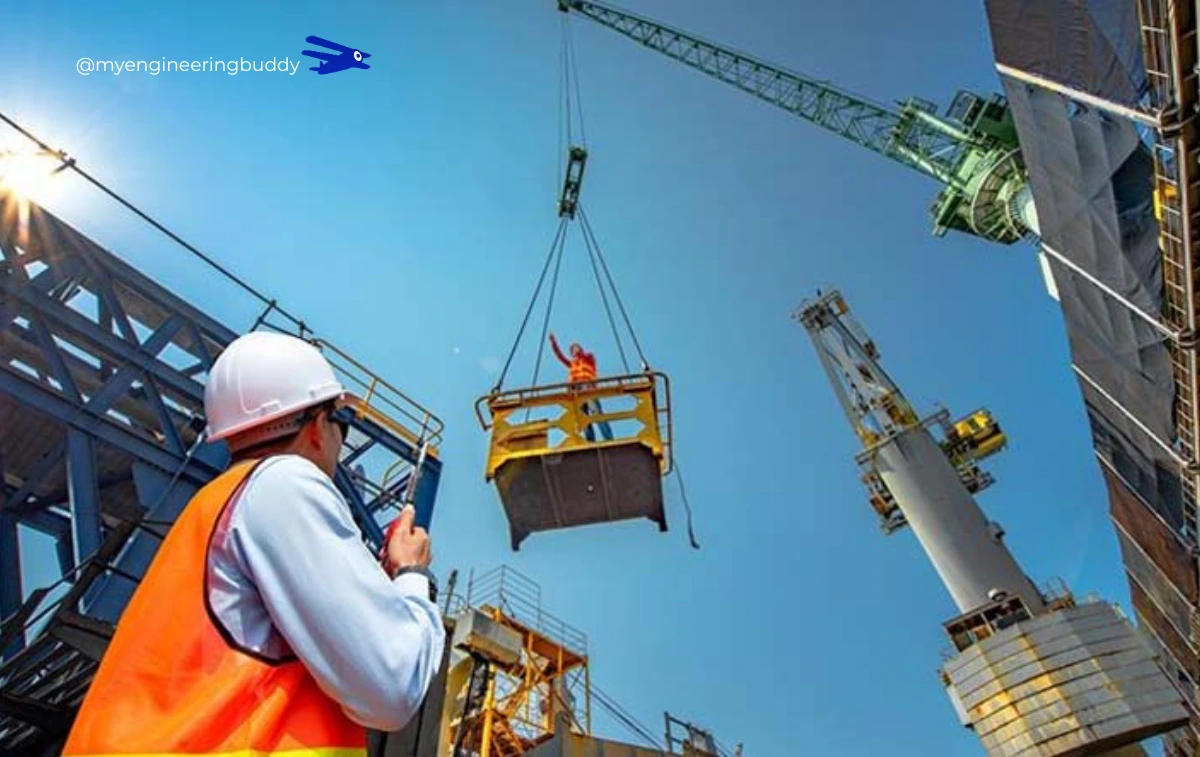
What is construction risk management?
The risk management in construction is a process where you first identify the risks. Then, you assess them and look at how to control each risk and what negative impact it could have on the construction project. If you know these things early, you can avoid those negative effects and make the project better. However, it involves proper planning, such as how the project’s budget, schedule, safety, and other factors can reduce risk.
For students and junior professionals, working with a risk management tutor — who can also provide homework help and assignment help on topics like cost control and safety planning — makes it faster to turn theory into effective on-site practice.
When you start a construction project, continuous monitoring is very important. Keep watching for risks until the project completes so you can avoid them. Because if you don’t keep monitoring, and risks show up after completion, handling them becomes very complex.
To manage these complexities effectively, industry professionals follow a structured cycle. The diagram below illustrates the four core steps of this process.
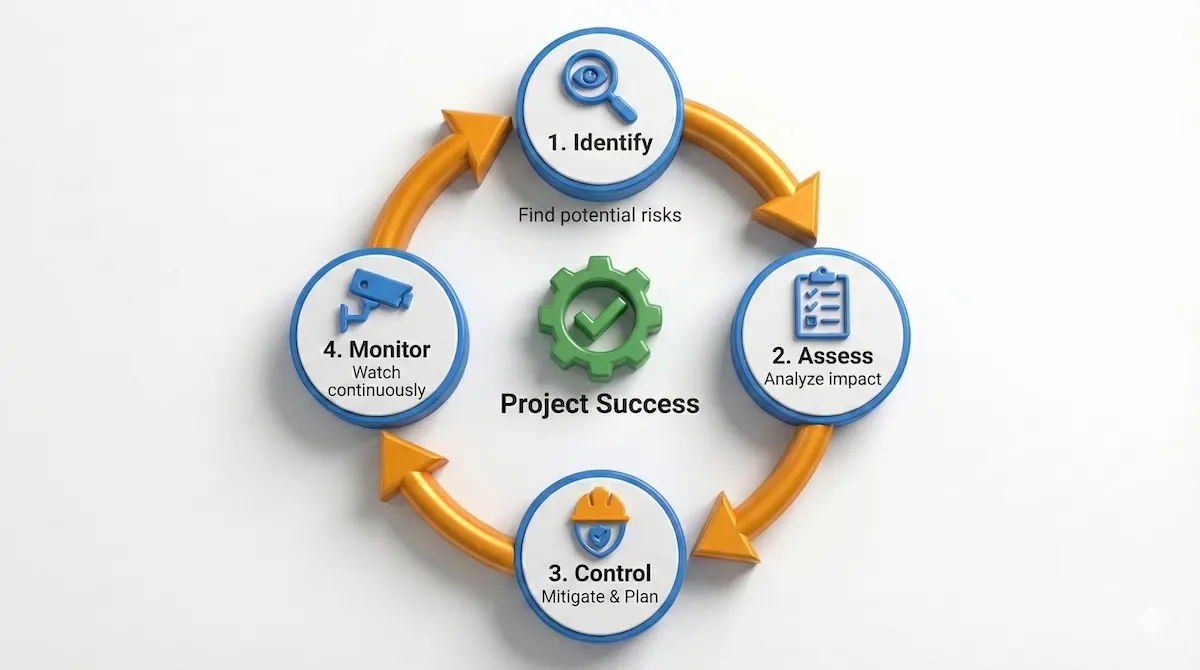
The continuous cycle of identifying, assessing, controlling, and monitoring is key to project success.
By repeating this cycle throughout the project lifespan, you ensure that new risks are caught before they escalate.
Major Construction Risk Types explained
Risks in construction come from various sources, both internal and external. Here is a breakdown of the four primary categories you need to watch for.
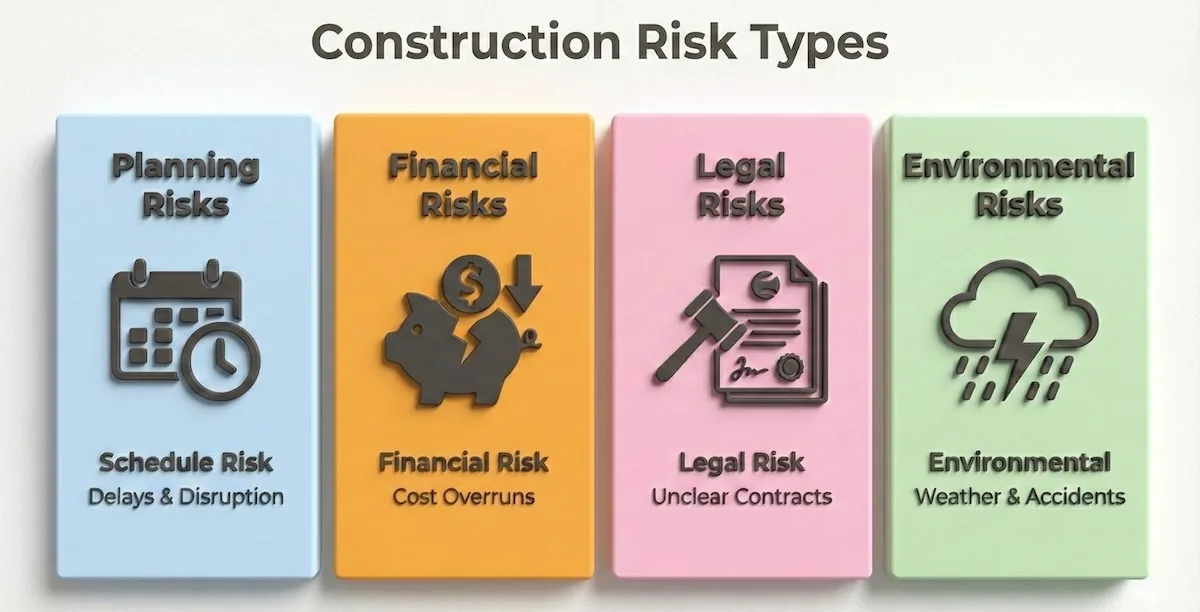
Understanding these four main risk categories helps in creating better mitigation strategies.
Categorizing your risks early allows you to assign the right experts—like lawyers for legal risks or accountants for financial ones—to handle them.
There are a few types of construction management risk that is given below:
Project planning and management risks
Schedule risks happen when a project is delayed or there is some disruption that negatively affects the timeline. Various conditions can mess up the whole planning, like weather conditions, delayed material deliveries, labor issues, and many more. Due to these delays, costs can also increase, and you may need to complete the work based on the client’s deadline.
Financial Risk
Financial risk plays a very bad role in any construction budget because it can damage the overall financial health. Because of it, cost overruns happen, project completion delays, material and labor costs also increase. So, if you want to manage the financial budget, you must make the budget carefully and keep good contact with cost estimating experts to ensure there are no problems in your budget.
Legal risks
legal risks in construction come from unclear contracts, disputes, or not following the rules. These risks can cause project delays, extra costs, and sometimes lawsuits. To avoid this, contracts must be clear, and everyone should follow laws and regulations properly. Good legal management helps keep projects running smoothly and prevents costly legal problems.
Environmental risks
When a building is under construction, there are many environmental risks, like something falling on you, a short circuit, or an accident. That’s why skilled people are hired for the work. They provide training so that if any challenge comes, they know how to handle it properly.
Common Challenges and Risks Management in the Construction Industry
Let’s take a look at a few risks in the construction industry that people usually face:
Labor issues
When you are doing a construction project, a major challenge is labor shortage. Even when labor is available, they are often not skilled enough to meet the work demands. Because of this, projects get delayed and costs increase. This is why it is necessary to find skilled workers before starting the construction.
Labor shortage
Labor shortage is felt most when the demand for work increases. If there is a labor shortage in the construction industry, all the work gets disrupted. Projects get delayed, clients give negative reviews, and their trust in the company decreases.
Safety hazard
Safety is the most important thing when building any structure. If you don’t pay attention to safety, you could face different problems like injuries, illnesses, and more. These risks happen because people don’t care about safety during construction. It’s necessary to wear a helmet, goggles, and gloves while working to stay safe and avoid serious conditions.
Personal Protective Equipment (PPE) is non-negotiable on any site. The illustration below highlights the essential gear every worker must use.
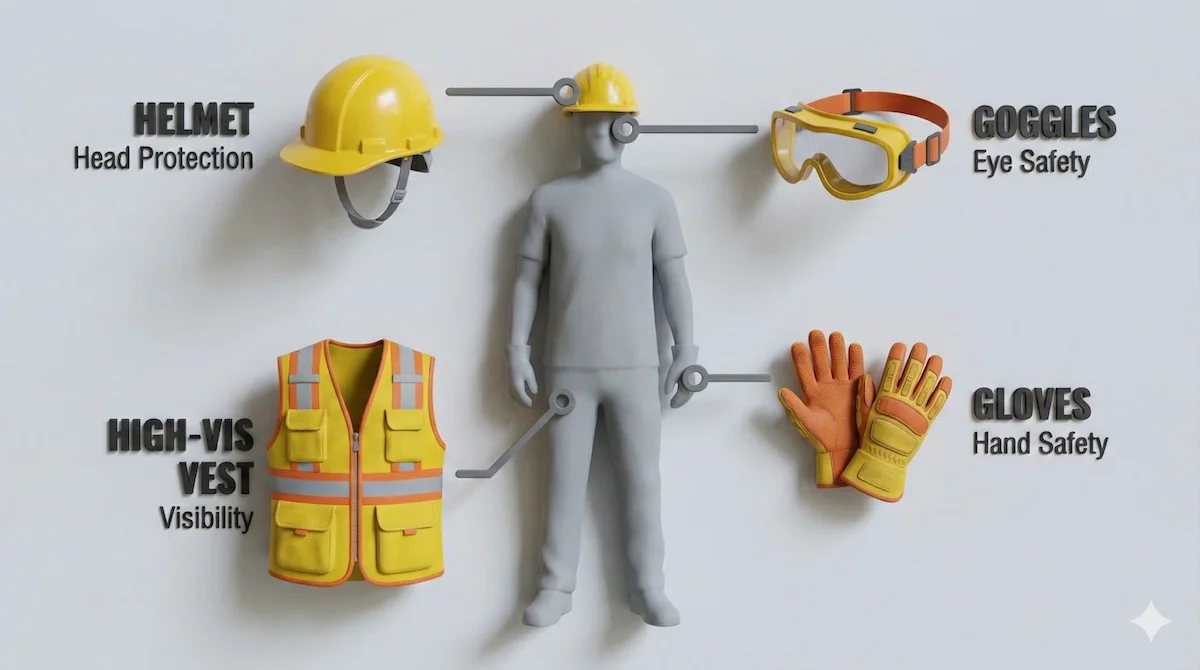
Proper safety gear like helmets and goggles are your first line of defense against on-site hazards.
Ensuring every team member wears these items can significantly reduce the severity of accidents on site.
Poor coordination between the team
As you know, when a construction project is in progress, many skilled people are involved. If you don’t have good coordination with them, you can’t successfully complete the project. You will face repeated errors, which will cause delays and client disputes.
Inconsistent errors
Most errors happen when you don’t make a proper report for the project. For example, if there were an error in your construction cost estimation, it can cause material shortages later and increase the budget. Because of these errors, you will face many difficulties and your project can’t be completed on time.
Disputes
Disputes often happen because contracts are unclear, or there are delays and cost overruns, and sometimes people have different interpretations of project duties. These disputes pose significant risks by causing project interruptions, increasing legal costs, and straining relationships between stakeholders. Additionally, prolonged disputes can impact project timelines, budgets, and overall quality, which ultimately puts the success of the construction project at risk.
Why is risk management so critical? Because one small oversight often triggers a chain reaction. See how a simple contract issue evolves below.
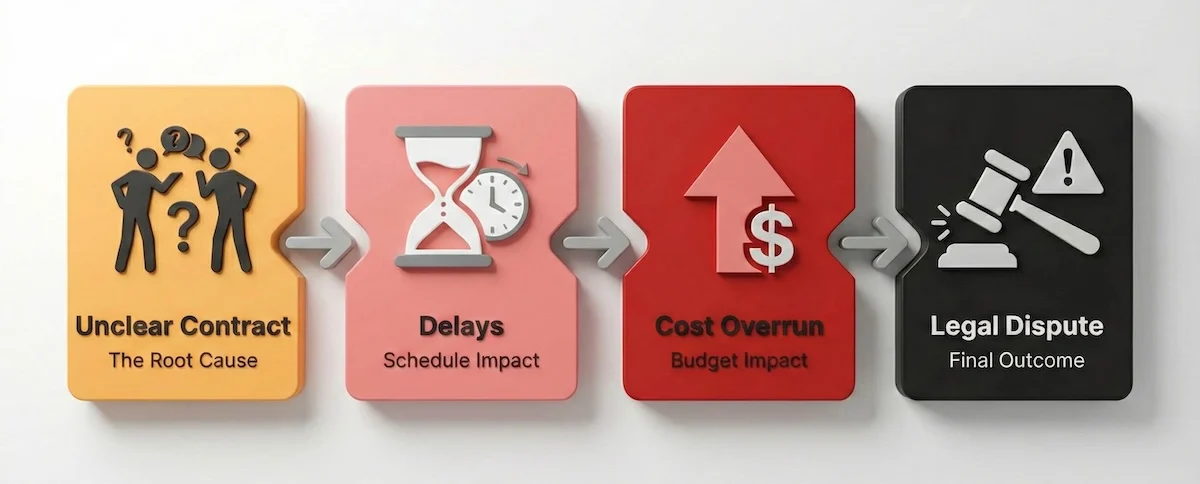
Small errors in early stages often snowball into major disputes and financial losses.
Breaking this chain early—specifically at the contract and planning stage—is the most effective way to prevent costly litigation.
Material pricing
Material price plays a very important role in the construction industry. Sometimes, price fluctuations destroy the proper supply chain. These unpredictable cost increases cause problems and challenges for both contractors and stakeholders.
Conclusion
Risk management in the construction industry is essential so you can complete your projects well and within budget. Careful planning helps avoid surprises. After knowing the major risks, you understand why skilled cost estimators are important before starting the construction. SMA Estimating LLC is here to provide the best cost estimation services, helping you prevent risks after construction and complete your project on time.
Whether you’re a site manager, contractor, or a student completing coursework, access to an experienced risk management tutor and reliable Online tutoring Help can greatly reduce mistakes and improve project outcomes.
******************************
This article provides general educational guidance only. It is NOT official exam policy, professional academic advice, or guaranteed results. Always verify information with your school, official exam boards (College Board, Cambridge, IB), or qualified professionals before making decisions. Read Full Policies & Disclaimer , Contact Us To Report An Error