




~1 min
Average Reply Time
~1 hour
To Be Matched With A Tutor
30 Min Trial
75% Find Their Tutor On The 1st Trial
$20-35+/hr
Premium Yet Affordable Learning
Most students who struggle with lithography hit the same wall: they can transfer an image to stone or plate, but they don’t understand why the chemistry works — or why it fails. A 1:1 online lithography tutor fixes that gap directly, session by session.
Lithography Tutor Online
Lithography is a planographic printmaking process based on the chemical repulsion of oil and water. The artist draws on a flat stone or metal plate with greasy media, then prints from it using oil-based ink. Used in fine art and commercial print contexts.
MEB offers 1:1 online lessons and coaching in 2,800+ advanced subjects, including lithography and the wider fine arts field. Whether you’re working through stone lithography for the first time or refining your technique for a portfolio submission, a lithography tutor near me — available online across every time zone — can move you further in a single session than weeks of trial and error alone.
- 1:1 online sessions tailored to your course, studio practice, or portfolio goals
- Expert-verified tutors with hands-on lithography and printmaking backgrounds
- Flexible scheduling across US, UK, Canada, Australia, and the Gulf
- Structured practice plan built after an initial diagnostic session
- Structured practice plans and progress tracking between sessions
52,000+ students across the US, UK, Canada, Australia, and the Gulf have used MEB since 2008 — including students in Fine Arts subjects like lithography, printmaking, and illustration.
Source: My Engineering Buddy, 2008–2025.
How Much Does a Lithography Tutor Cost?
Most lithography sessions run $20–$40/hr. Specialist tutors with professional studio or print industry backgrounds may charge up to $100/hr for advanced work. Start with the $1 trial — 30 minutes of live 1:1 coaching, no registration required.
| Level / Need | Typical Rate | What’s Included |
|---|---|---|
| Beginner / Foundation | $20–$35/hr | 1:1 sessions, technique guidance, material advice |
| Advanced / Portfolio Prep | $35–$70/hr | Expert tutor, critique, professional print context |
| $1 Trial | $1 flat | 30 min live session or one technique question explained |
Tutor availability tightens around portfolio submission deadlines and semester end dates. Book early.
WhatsApp MEB for a quick quote — average response time under 1 minute.
Who This Lithography Tutoring Is For
This isn’t a course. It’s direct, focused coaching for people who need to move forward in their lithography practice right now — not at a fixed pace set by a class.
- Undergraduate fine arts students working through stone or plate lithography for the first time
- Students preparing a printmaking portfolio for a BFA programme or art school admission
- Artists who’ve tried lithography independently and keep hitting the same technical problems
- Students watching their confidence drop alongside their results — a tutor changes that dynamic quickly
- Graduate students incorporating lithography into a research-led studio practice at programmes like those at the Rhode Island School of Design, Pratt Institute, Royal College of Art, or RMIT
- Hobbyists who want structured progress, not just YouTube videos
If you’re working toward a portfolio review, an end-of-semester critique, or a specific residency or exhibition deadline, a structured plan matters. Get help with drawing foundations that feed directly into your lithography work.
1:1 Tutoring vs Self-Study vs AI vs YouTube vs Online Courses
Self-study works if you’re disciplined — but lithography has no feedback loop for catching technique errors before they ruin a run. AI tools can explain the chemistry in seconds; they can’t watch your inking hand and tell you what’s wrong. YouTube is excellent for process overviews and can’t troubleshoot your specific plate. Online courses are structured but locked to a fixed pace with no live correction. 1:1 tutoring with MEB is live, calibrated to your exact materials and goals, and corrects errors — in lithographic etching, ink consistency, or image transfer — before they become habits.
Outcomes: What You’ll Be Able To Do in Lithography
After working with an MEB printmaking tutor on lithography, you’ll be able to apply the correct gum etch concentrations for different drawing media, troubleshoot common print failures like scumming and blinding, explain the chemistry behind the oil-and-water process, present a coherent body of lithographic work for a portfolio critique, and adapt your technique across stone and aluminium plate substrates.
Based on feedback from 40,000+ sessions collected by MEB from 2022 to 2025, students working 1:1 on lithography consistently report noticeably stronger technical control, clearer understanding of the chemical process, and faster progress than self-directed practice alone. Progress varies by starting level and practice frequency.
Source: MEB session feedback data, 2022–2025.
Try your first session for $1 — 30 minutes of live 1:1 tutoring or one technique question explained in full. No registration. No commitment. WhatsApp MEB now and get matched within the hour.
What We Cover in Lithography (Syllabus / Topics)
Track 1: Foundations of Lithographic Process
- The chemistry of lithography: oil-water repulsion and how it creates the printing surface
- Stone preparation: levigating, graining, and surface inspection
- Drawing media: tusche, lithographic crayon, rubbing ink — weight and application
- Gum arabic and etch solutions: concentration, timing, and application technique
- Processing the stone or plate: rolling up, washing out, and proofing
- Common first-attempt failures: scumming, toning, blinding — causes and fixes
- Paper selection and dampening for clean ink transfer
Core references include The Tamarind Book of Lithography by Garo Antreasian and Clinton Adams, and Lithography: 200 Years of Art, History & Technique by Domenico Porzio.
Track 2: Aluminium Plate Lithography
- Plate vs stone: surface differences and process adjustments
- Aluminium plate preparation and counteretching
- Drawing and etch sequences for plate-based work
- Ink viscosity and roller durometer for plate printing
- Multi-colour registration: key plate method and colour sequencing
- Editioning: achieving consistent prints across a planned edition
Useful references include Printmaking: A Complete Guide to Materials and Processes by Brad Faine and works from the Tamarind Institute at the University of New Mexico.
Track 3: Lithography in Studio and Portfolio Practice
- Integrating lithography with other printmaking media: etching, screen, relief
- Developing a cohesive series for portfolio submission or gallery context
- Artist research and contextualising your work within print art history
- Critique preparation: how to talk about process decisions in a studio review
- Digital image transfer methods: photo-litho and laser toner techniques
- Edition documentation, titling, and signing conventions
Recommended reading includes Prints and Printmaking by Antony Griffiths and resources from the Institution of Engineering and Technology — relevant where lithography intersects with photomechanical and industrial print processes.

At MEB, we’ve found that most lithography problems — scumming, ink rejection, patchy editions — trace back to one of three root causes: etch concentration, roller pressure, or drawing media weight. A single session spent diagnosing those three variables changes everything that follows.
What a Typical Lithography Session Looks Like
The tutor opens by checking what you worked on since last time — specifically whether the etch timing issue you encountered with the last stone has been resolved. You share your screen or camera feed, and the tutor talks through the current plate or stone in progress. The session might focus on getting gum arabic concentration right for a wash drawing, troubleshooting why ink is filling in the mid-tones, or working through colour registration for a two-colour edition. The tutor uses a digital pen-pad to annotate your image or diagram the chemical sequence. You replicate the adjustment or explain back the reasoning. The session closes with a specific practice task — re-etch a test stone at three etch strengths — and the next topic is noted before you log off.
How MEB Tutors Help You with Lithography (The Learning Loop)
Diagnose: In the first session, the tutor identifies where your process is breaking down — whether that’s at the drawing stage, the etch, the roll-up, or the proofing. Most students arrive with symptoms; the tutor works back to the cause.
Explain: The tutor works through the chemistry and mechanics live, using a digital pen-pad to diagram the etch sequence or annotate a photograph of your print. No generic explanation — it’s tied to your specific stone, plate, and materials.
Practice: You attempt the corrected technique while the tutor watches. For online sessions, this might mean describing your process in detail, sharing photos between steps, or working through a test drawing together.
Feedback: The tutor identifies exactly where an error entered the process and explains what it costs you in the final print. Not just “that didn’t work” — but why, and what to do differently next time.
Plan: Each session closes with a clear next step: a specific test to run, a technique to practice, a reference to check. Progress is tracked across sessions so nothing is repeated unnecessarily.
Sessions run on Google Meet. The tutor uses a digital pen-pad or iPad with Apple Pencil to annotate images and diagrams in real time. Before your first session, have a photo of your current work ready, along with your course or portfolio brief if you have one. The first session serves as your diagnostic. Start with the $1 trial — 30 minutes of live coaching that also gives the tutor everything needed to build your session plan.
Students consistently tell us that the moment lithography clicks is when they stop thinking about it as drawing and start thinking about it as chemistry. Once you understand why the surface behaves the way it does, every decision — etch strength, ink consistency, paper choice — follows from that logic.
Tutor Match Criteria (How We Pick Your Tutor)
Not every printmaker is the right tutor for every student. Here’s what MEB checks before making a match.
Subject depth: Tutors hold fine arts degrees or professional studio experience specifically in lithography — stone, plate, or both. Familiarity with your course level and any relevant portfolio brief is confirmed before matching.
Tools: All tutors work via Google Meet with a digital pen-pad or iPad and Apple Pencil. Annotations, diagrams, and image markups are central to how lithography is taught online.
Time zone: Matched to your region — US, UK, Gulf, Canada, Australia. No 3am sessions unless you want them.
Goals: Whether you’re after technical confidence, portfolio critique support, or a complete process overview, the tutor is briefed on your specific aim before the first session.
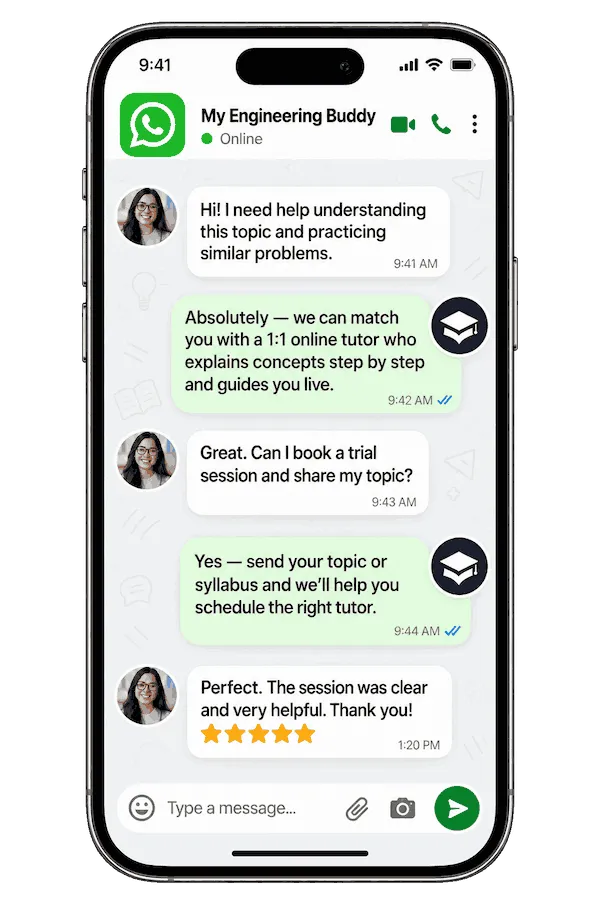
Unlike platforms where you fill out a form and wait, MEB responds in under a minute, 24/7. Tutor match takes under an hour. The $1 trial means you test before you commit. Everything runs over WhatsApp — no logins, no intake forms.
Pricing Guide
Lithography tutoring runs $20–$40/hr for most levels. Tutors with professional studio or print industry backgrounds — relevant for BFA portfolio work, MFA programmes, or specialist technique — are available at higher rates. Share your specific goal and MEB will match the right tier.
Rate factors include your current level, the complexity of your technique goals, your timeline, and tutor availability. Spots fill quickly in the weeks before portfolio submission deadlines at major art schools.
For students targeting programmes at institutions like the Glasgow School of Art, Cranbrook Academy, or California College of the Arts, tutors with professional printmaking and exhibition backgrounds are available — share your brief and MEB matches the tier to your ambition.
Start with the $1 trial — 30 minutes, no registration, no commitment. WhatsApp MEB for a quick quote.
FAQ
Is lithography hard to learn?
The fundamentals are learnable quickly. The chemistry takes longer to internalise. Most students can produce a clean proof within a few sessions; consistent, editionable results take more deliberate practice with direct feedback.
How many sessions will I need?
Students with a specific technique problem often resolve it in 2–3 sessions. Portfolio prep or a full process overview typically takes 8–15 sessions depending on starting level and how much studio time you have between sessions.
How do you structure practice between sessions?
The tutor sets a specific task at the end of every session — a test etch, a proofing exercise, a colour registration trial. You bring the result to the next session. Progress is reviewed before new material is introduced.
Will the tutor match my current level and goals?
Yes. Before matching, MEB confirms the tutor’s experience with your specific substrate (stone or plate), your technique level, and your goal — whether that’s a portfolio review, a technique fix, or learning from scratch.
What happens in the first session?
The tutor runs a diagnostic: asks about your current process, looks at any work you’ve already done, and identifies the highest-priority gap. A session plan follows from that — no time is spent on things you’ve already mastered.
Are online lessons as effective as in-person for lithography?
For process understanding, chemistry, and planning — fully effective. The tutor can review photos of your stone or plate at each stage and give precise feedback. Physical press handling is the one area that genuinely requires in-studio access.
What’s the difference between stone lithography and aluminium plate lithography, and should I learn both?
Stone is the traditional method — slower, more forgiving of drawing errors, better for tonal work. Aluminium plate is faster and widely used commercially. Many programmes teach stone first for foundational understanding, then plate. Your tutor advises based on your course or goals.
Can I get help with lithography at midnight or on weekends?
Yes. MEB tutors cover multiple time zones, and WhatsApp response time is under a minute around the clock. Weekend and late-night sessions are available — particularly useful for students on North American and Gulf schedules.
What if I don’t get along with my assigned tutor?
Tell MEB via WhatsApp and a new match is arranged — usually within a few hours. No forms, no delay. The $1 trial exists partly for this reason: you test the fit before committing to a full session package.
How do I find a lithography tutor near me?
MEB’s tutors work online across every time zone, so location isn’t a limiting factor. Search for an online lithography tutor and MEB matches you — wherever you are — typically within the hour.
How do I get started?
WhatsApp MEB, share your current level and goal, and you’re matched with a tutor. The $1 trial covers 30 minutes of live coaching or one technique question explained in full. Three steps: WhatsApp → matched → start trial.
Can photo-litho or laser toner transfer techniques be taught online?
Yes. Digital image transfer methods — including photo-litho film positives and laser toner lithography — are well-suited to online tutoring. The tutor walks through file preparation, exposure, and processing steps in detail, and reviews your output at each stage.
Trust & Quality at My Engineering Buddy
Every MEB tutor goes through a structured screening process: subject knowledge assessment, a live demo session, and ongoing review based on student feedback. Tutors working in lithography and art hold fine arts degrees or carry verifiable studio and professional print experience. Rated 4.8/5 across 40,000+ verified reviews on Google.
MEB provides guided learning support. All work is produced and presented by the student. See our Academic Integrity policy and Why MEB for full details on what we help with and what we don’t.
MEB has been running since 2008, serving 52,000+ students across the US, UK, Canada, Australia, the Gulf, and Europe in 2,800+ subjects. Fine Arts is one of the platform’s core subject areas — including lithography, painting, and sculpture. Tutors in this area are matched on studio discipline, not just subject name.
A common pattern our tutors observe is that students who struggle with lithography have never had the chemistry explained to them alongside the technique. Once they understand what the gum etch is actually doing to the stone’s surface, the physical steps stop feeling arbitrary — and errors become diagnosable rather than mysterious.
Explore Related Subjects
Students studying lithography often also need support in:
Next Steps
Getting started takes less than two minutes.
- Share your current level, substrate (stone or plate), and what you’re working toward
- Share your availability and time zone
- MEB matches you with a verified lithography tutor — usually within 24 hours
- The first session starts with a diagnostic so every minute is used well
Before your first session, have ready:
- Your course outline or portfolio brief (if applicable)
- Photos of any current work in progress, or a description of the technique problem you’re hitting
- Your deadline or submission date
The tutor handles the rest. Visit www.myengineeringbuddy.com for more on how MEB works.
WhatsApp to get started or email [email protected].
Reviewed by Subject Expert
This page has been carefully reviewed and validated by our subject expert to ensure accuracy and relevance.




