~1 min
Average Reply Time
~1 hour
To Be Matched With A Tutor
1 Trial
75% Find Their Tutor On The 1st Trial
$1
Your First 30 Minutes
Hire The Best Illustration Tutor
Top Tutors, Top Grades. Without The Stress!


Related Subjects
Your portfolio deadline is in six weeks and your line work still isn’t reading the way you want it to.
Illustration Tutor Online
Illustration is the practice of creating visual images — using drawing, painting, digital media, or mixed methods — to communicate ideas, narratives, or concepts across editorial, publishing, advertising, and design contexts.
MEB offers 1:1 online lessons and coaching in 2800+ advanced subjects, including illustration. If you’ve searched for an illustration tutor near me and found generic art classes with no individual feedback, this is different. Every session at MEB is matched to your specific goals — sketchbook development, character design, editorial briefs, or portfolio preparation. One tutor. One student. Real progress. Our fine arts tutoring covers the full creative spectrum, and illustration sits at its core.
- 1:1 online sessions tailored to your brief, style focus, or portfolio requirements
- Expert-verified tutors with working illustration experience across editorial, publishing, and digital media
- Flexible time zones — US, UK, Canada, Australia, Gulf
- Structured practice plan built after a diagnostic session
- Structured practice plans and progress tracking across every stage of your creative development
52,000+ students across the US, UK, Canada, Australia, and the Gulf have used MEB since 2008 — including students in Fine Arts subjects like illustration, drawing, and painting.
Source: My Engineering Buddy, 2008–2025.
How Much Does an Illustration Tutor Cost?
Most illustration sessions cost $20–$40/hr. Advanced portfolio coaching for competitive programmes runs up to $100/hr. You can test the fit first with the $1 trial — 30 minutes of live 1:1 coaching or one portfolio question worked through in full.
| Level / Need | Typical Rate | What’s Included |
|---|---|---|
| Standard (most levels) | $20–$35/hr | 1:1 sessions, style feedback, practice briefs |
| Advanced / Portfolio Specialist | $35–$70/hr | Expert tutor, portfolio critique, editorial depth |
| $1 Trial | $1 flat | 30 min live session or one portfolio question explained |
Tutor availability tightens significantly in the months before major portfolio submission deadlines at art schools and universities. Book ahead.
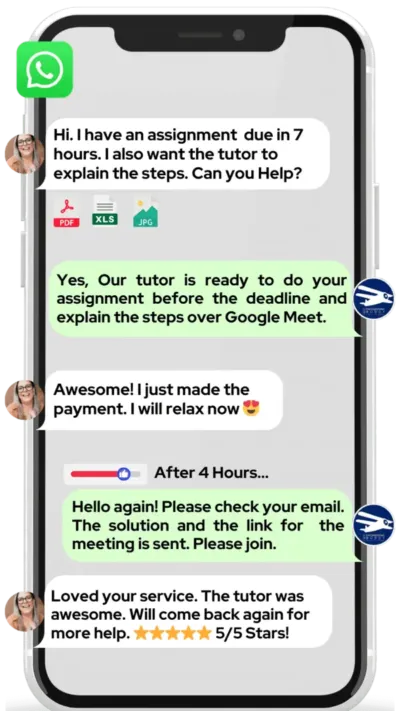
WhatsApp MEB for a quick quote — average response time under 1 minute.
Who This Illustration Tutoring Is For
Some students come to MEB with a portfolio review in three weeks. Others are mid-degree with a project brief they can’t crack. A few are transitioning from fine art into commercial illustration and need a practical direction shift.
- Undergraduate illustration and visual communication students at RISD, Parsons, UAL, OCAD, and similar programmes
- Students with a conditional art school offer depending on portfolio quality
- Students 4–6 weeks from a portfolio deadline with significant gaps still to close
- Self-taught illustrators building a professional practice or client-ready body of work
- Students moving from traditional media into digital art workflows
- Parents watching a child’s confidence drop alongside their sketchbook progress
Structured practice plans and honest feedback — that’s what moves work forward. The $1 trial gives you a direct read on whether the tutor and format are right for you.
1:1 Tutoring vs Self-Study vs AI vs YouTube vs Online Courses
Self-study works if you’re disciplined, but no one corrects your line weight or tells you why your composition is reading flat. AI tools can describe technique — they can’t look at your sketchbook and diagnose what’s actually going wrong. YouTube is excellent for overviews of inking or gouache technique, but it stops at the point where your specific drawing breaks down. Online courses run at a fixed pace with no personalisation. 1:1 tutoring with MEB is live, calibrated to your exact portfolio or brief, and corrects errors in real time — which in illustration often means the difference between work that gets into a programme and work that doesn’t.
Outcomes: What You’ll Be Able To Do in Illustration
After working with an MEB illustration tutor, students consistently report noticeably stronger technique and clearer understanding of composition, line, and visual narrative. You’ll be able to apply a structured editorial workflow from brief to final artwork, analyse how professional illustrators handle negative space and hierarchy, explain the choices behind your own visual decisions with confidence in a critique, and present a cohesive portfolio that demonstrates range and intentionality. Progress varies by starting level and how often you practice between sessions.
Based on feedback from 40,000+ sessions collected by MEB from 2022 to 2025, students working 1:1 on illustration consistently report noticeably stronger technique and clearer understanding of form, composition, and visual storytelling — with faster progress than self-directed practice alone. Progress varies by starting level and practice frequency.
Source: MEB session feedback data, 2022–2025.
Try your first session for $1 — 30 minutes of live 1:1 tutoring or one portfolio question explained in full. No registration. No commitment. WhatsApp MEB now and get matched within the hour.
What We Cover in Illustration (Syllabus / Topics)

Drawing Fundamentals and Observational Skills
- Line quality, weight variation, and contour drawing
- Perspective — one-point, two-point, and atmospheric depth
- Figure drawing: proportion, gesture, and anatomy reference
- Light, shadow, and value — pencil, ink, and charcoal
- Composition principles: rule of thirds, visual flow, and negative space
- Thumbnail development and iterative sketching workflows
Core texts: Drawing on the Right Side of the Brain by Betty Edwards; Fun with a Pencil by Andrew Loomis; The Natural Way to Draw by Kimon Nicolaides.
Narrative and Editorial Illustration
- Working to a brief: interpreting editorial, children’s book, and advertising briefs
- Visual storytelling — sequence, pacing, and image-text relationships
- Character design: personality, silhouette, and consistency across frames
- Colour theory applied to mood, genre, and audience — including colour theory tutoring as a standalone discipline
- Developing a recognisable visual voice across a body of work
- Portfolio curation: selecting, sequencing, and presenting finished work
Core texts: Illustration: A Theoretical and Contextual Perspective by Alan Male; The Illustrator’s Bible by various contributors; Society of Illustrators Annuals for professional reference.
Digital Illustration and Mixed Media
- Procreate workflows: brushes, layers, masking, and export settings
- Adobe Illustrator: vector drawing, pen tool control, and print-ready files
- Photoshop for illustration: retouching, texture overlay, and compositing
- Scanning and digitising traditional work cleanly
- Mixed media approaches: combining ink, watercolour, and digital finish
- File formats, resolution, and preparing artwork for print vs screen
Core tools: Procreate (iPad), Adobe Illustrator, Adobe Photoshop; reference: Digital Illustration: A Master Class in Creative Image-Making by Lawrence Zeegen.
What a Typical Illustration Session Looks Like
The tutor starts by reviewing what you worked on since the last session — usually a specific brief or a set of thumbnails. From there, you and the tutor open your sketchbook or digital canvas on screen. If you’re working on character consistency across a sequence, the tutor walks through what’s breaking — proportions shifting between panels, or silhouettes that aren’t reading clearly at small size. They use a digital pen-pad to annotate directly on your work and demonstrate corrections. You redraw or revise with the tutor watching, so errors get caught before they compound. The session closes with a concrete practice task: three more gesture drawings, one revised thumbnail, or a colour rough completed before the next session. The next topic — say, moving from character sheets into environment sketching — is logged so no time is lost.
How MEB Tutors Help You with Illustration (The Learning Loop)
Diagnose: In the first session the tutor reviews your existing work — sketchbook, portfolio, or a recent brief attempt. They identify where your technique is breaking: line confidence, compositional habits, colour decisions, or brief interpretation. This shapes every session that follows.
Explain: The tutor works through problems live on screen. If your perspective is collapsing in architectural environments, they draw the correction using a digital pen-pad and talk through the spatial logic step by step — not just “do it this way” but why that way works.
Practice: You attempt the same problem with the tutor present. That’s the part online courses skip. Immediate feedback on a live attempt is where most of the real learning in illustration happens.
Feedback: The tutor marks up your work — not just what to fix, but why a client, art director, or admissions panel would notice that specific issue. That context sticks.
Plan: Each session ends with clear next steps: specific practice tasks, a topic for the next session, and a progress note. If you have a portfolio deadline, the plan is built backward from that date.
At MEB, we’ve found that illustration students make the fastest progress when the feedback loop is tight — short practice tasks between sessions, reviewed at the start of the next one. A week of unstructured drawing rarely moves the needle the way three focused studies does.
Sessions run on Google Meet. Tutors use a digital pen-pad or iPad with Apple Pencil to annotate your work directly. Before your first session, share your current portfolio or sketchbook, any brief you’re working to, and your deadline or programme application date. The first session is a diagnostic — the tutor spends the first 15 minutes reviewing your work before a single correction is made. Start with the $1 trial — 30 minutes of live tutoring that also serves as your first diagnostic.
Whether you need a quick catch-up before a portfolio review, structured coaching over 4–8 weeks, or ongoing weekly support through your degree, the tutor maps the session plan after that first diagnostic.
Tutor Match Criteria (How We Pick Your Tutor)
Not every illustrator can teach, and not every art teacher can coach for a specific programme or brief type. MEB matches on four criteria.
Subject depth: Tutors are matched on the specific area of illustration you’re working in — editorial, children’s book, character design, or concept art. A tutor who works primarily in ink and watercolour is not assigned to someone building a Procreate-based portfolio.
Tools: Every tutor uses Google Meet plus a digital pen-pad or iPad with Apple Pencil — the session format is non-negotiable, because annotation on live work is central to how illustration coaching actually works.
Time zone: Matched to your region — US, UK, Gulf, Canada, Australia — so session times are workable, not a compromise.
Goals: Exam portfolio, degree-level project, professional practice, or admissions brief. The tutor needs to understand the finish line before they can help you get there.
Unlike platforms where you fill out a form and wait, MEB responds in under a minute, 24/7. Tutor match takes under an hour. The $1 trial means you test before you commit. Everything runs over WhatsApp — no logins, no intake forms.
Pricing Guide
Illustration tutoring starts at $20/hr for foundational and undergraduate-level work. Specialist coaching for competitive art school applications, professional portfolio builds, or senior-degree projects runs up to $100/hr. Rate factors include your level, the complexity of your brief, your timeline, and tutor availability.
Availability tightens during portfolio submission seasons — typically October–January for most US and UK art school applications. If your deadline is in that window, book early.
For students targeting programmes at schools like RISD, Parsons, UAL, or SVA, tutors with professional illustration and editorial backgrounds are available at higher rates — share your specific target programme and MEB will match the tier to your ambition.
Start with the $1 trial — 30 minutes, no registration, no commitment. WhatsApp MEB for a quick quote.
Students consistently tell us that the first session feels different from an art class — the tutor is looking at your specific work, not demonstrating a technique to a room. That shift in focus is what most illustration students have been missing.
FAQ
Is illustration hard to learn?
The fundamentals — line, form, perspective, and composition — take focused repetition, not raw talent. Most students plateau because they practice without structured feedback. A tutor who can identify what’s going wrong in your line work makes the learning curve measurably shorter.
How many sessions will I need?
For a portfolio review or admissions brief, 8–12 focused sessions over 4–6 weeks is a realistic starting point. Ongoing degree support typically runs weekly through a semester. The tutor sets a clearer timeline after the diagnostic session reviews your current work.
How do you structure practice between sessions?
The tutor sets specific tasks after each session — not open-ended drawing time, but targeted studies. Three gesture drawings, one revised composition, or a colour rough based on your brief. These are reviewed at the start of the next session so nothing is wasted.
Will the tutor match my current level and goals?
Yes. MEB matches by discipline area — editorial, character design, digital workflows, children’s book — not just “illustration” as a catch-all. Share your programme, brief, or portfolio target when you contact MEB and the match is built around that.
What happens in the first session?
The tutor spends the first 15 minutes reviewing your existing work — sketchbook, portfolio pieces, or a brief attempt. From that review they identify the highest-priority areas to address. The remaining time starts work on the most pressing gap, not a generic introduction.
Are online lessons as effective as in-person for illustration?
For most illustration work, yes. Annotation on your actual artwork via a digital pen-pad on Google Meet replicates the over-the-shoulder critique format closely. The only limitation is tactile media — a tutor cannot physically demonstrate pressure on a pencil, though they can show it clearly on screen.
Can I get illustration help at midnight or on weekends?
Yes. MEB operates 24/7 across all major time zones. Tutors are available evenings and weekends. If you’re working late before a deadline, WhatsApp MEB — response time averages under a minute regardless of the hour.
What if I don’t like my assigned tutor?
Request a rematch. MEB will assign a different tutor. There is no cost or penalty for changing. Most students find the $1 trial session is enough to know whether the tutor’s feedback style works for them before committing to a block of sessions.
Do you only work with students, or can working illustrators use MEB too?
Both. MEB works with undergraduates, postgraduate students, self-taught practitioners building a professional portfolio, and working creatives who want to add a new technique or medium — such as moving from traditional ink into animation workflows — to their practice.
What’s the difference between illustration and graphic design — and does MEB cover both?
Illustration is image-led: original artwork created to communicate a specific idea or narrative. Graphic design is system-led: arranging type, image, and layout for communication and branding. The skills overlap — especially in digital tools — but the briefs and career paths differ. MEB covers both as separate subject areas with matched tutors.
How do I get started?
WhatsApp MEB with your portfolio, brief, or deadline. MEB matches you with a verified illustration tutor — usually within an hour. The first session is the $1 trial: 30 minutes of live coaching or one portfolio question explained in full. Three steps: WhatsApp → matched → start trial.
Trust & Quality at My Engineering Buddy
Every MEB tutor goes through a subject-specific screening process — degree or professional experience in illustration or a directly adjacent discipline, a live demo session evaluated by MEB, and ongoing review based on student feedback after each session. Rated 4.8/5 across 40,000+ verified reviews on Google. Tutors are not assigned from a generic pool; illustration tutors are matched to the specific area — editorial, character design, printmaking, or photography crossover — that matches your goals.
MEB tutoring is guided learning — you understand the work, then submit it yourself. For full details on what we help with and what we don’t, read our Academic Integrity policy and Why MEB.
MEB has been running since 2008, serving 52,000+ students across the US, UK, Canada, Australia, the Gulf, and Europe in 2,800+ subjects. In Fine Arts, that includes art tutoring, printmaking tutoring, and illustration — from first-year degree students through to postgraduate and professional practice. See our tutoring methodology for more on how sessions are structured and tutors are matched.
Explore Related Subjects
Students studying illustration often also need support in:
Next Steps
When you contact MEB, share your programme or portfolio target, the hardest area you’re currently working on (perspective, colour, brief interpretation), your exam or submission deadline, and your time zone and availability.
- MEB matches you with a verified illustration tutor — usually within 24 hours, often within the hour
- The first session starts with a diagnostic: the tutor reviews your existing work before a single correction is made
- Every minute of every session is spent on your specific work, not a generic curriculum
Before your first session, have ready: your portfolio or sketchbook (digital or photographed), any brief you’re currently working to, and your deadline or application date. The tutor handles the rest.
Visit www.myengineeringbuddy.com for more on how MEB works.
WhatsApp to get started or email [email protected].
52,000+ Happy Students From Various Universities





Reviewed by Subject Expert
This page has been carefully reviewed and validated by our subject expert to ensure accuracy and relevance.