

Hire Verified & Experienced
NCEA Pacific Studies Tutors
4.8/5 40K+ session ratings collected on the MEB platform



Hire The Best NCEA Pacific Studies Tutor
Top Tutors, Top Grades. Without The Stress!
52,000+ Happy Students From Various Universities



How Much For Private 1:1 Tutoring & Hw Help?
Private 1:1 Tutoring and HW help Cost $20 – 35 per hour* on average.
Most students who struggle with NCEA Pacific Studies aren’t missing intelligence — they’re missing someone who can connect the content to the assessment criteria, credit by credit.
NCEA Pacific Studies Tutor Online
NCEA Pacific Studies is a New Zealand National Certificate of Educational Achievement subject examining Pacific peoples, cultures, histories, and contemporary issues across Levels 1–3, equipping students to analyse Pacific perspectives and engage critically with regional and global contexts.
If you’ve been searching for an NCEA Pacific Studies tutor near me, MEB offers 1:1 online tutoring and homework help matched to your exact NCEA level, achievement standard, and assessment format. Tutors are drawn from MEB’s broader NCEA tutoring network — subject-specific, syllabus-aware, and available across US, UK, Canada, Australia, and the Gulf. One outcome you can expect: a clearer grasp of how to build an argument that earns Merit or Excellence, not just Achieved.
- 1:1 online sessions tailored to your NCEA level and achievement standards
- Expert-verified tutors with specific knowledge of NCEA Pacific Studies assessment criteria
- Flexible time zones — US, UK, Canada, Australia, Gulf
- Structured learning plan built after a diagnostic session
- Ethical homework and assignment guidance — you understand the work, then submit it yourself
52,000+ students across the US, UK, Canada, Australia, and the Gulf have used MEB since 2008 — including students in NCEA subjects like Pacific Studies, NCEA History tutoring, and NCEA Social Studies help.
Source: My Engineering Buddy, 2008–2025.
How Much Does an NCEA Pacific Studies Tutor Cost?
Most NCEA Pacific Studies sessions run $20–$40/hr depending on the level and complexity of the standard. The $1 trial gets you 30 minutes of live tutoring or a full explanation of one assignment question — no registration required.
| Level / Need | Typical Rate | What’s Included |
|---|---|---|
| Levels 1–2 (most students) | $20–$35/hr | 1:1 sessions, achievement standard guidance |
| Level 3 / specialist depth | $35–$70/hr | Expert tutor, extended essay and report support |
| $1 Trial | $1 flat | 30 min live session or one homework question explained |
Tutor availability tightens during NCEA assessment periods, particularly around mid-year internal deadlines and the November external exam window. Book early.
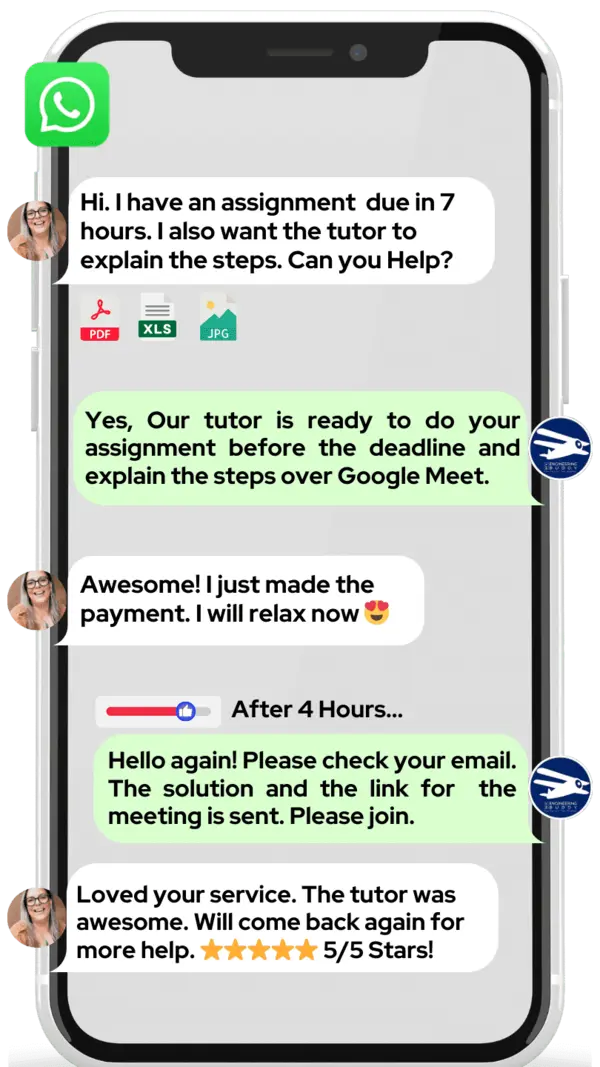
WhatsApp MEB for a quick quote — average response time under 1 minute.
Who This NCEA Pacific Studies Tutoring Is For
This isn’t a catch-all humanities service. It’s built for students at specific pressure points in Pacific Studies — whether that’s an internal assessment due in two weeks or an external exam in six.
- Students who can describe Pacific events but can’t yet structure a Merit-level analysis
- Students with a university conditional offer depending on their NCEA Level 3 results
- Students 4–6 weeks from the external exam with significant content gaps still to close
- Students with a coursework or internal assessment submission deadline approaching
- Parents watching a child’s confidence drop alongside their grades in Pacific Studies
- International students studying NCEA at New Zealand schools or via distance learning who need context for Pacific content
Students who progress through NCEA Level 3 Pacific Studies often go on to programmes in Pacific Studies, Sociology, or History at universities such as the University of Auckland, Victoria University of Wellington, University of Otago, ANU, and the University of Hawaii at Manoa. Try the $1 trial before you commit to a full package.
1:1 Tutoring vs Self-Study vs AI vs YouTube vs Online Courses
Self-study works if you’re disciplined, but Pacific Studies requires practised argument construction — not just reading. AI tools give fast summaries but can’t assess whether your response would earn Achieved, Merit, or Excellence against NCEA’s specific criteria. YouTube covers Pacific history overviews well but stops when you’re stuck on a specific achievement standard. Online courses are fixed-pace with no personalisation. 1:1 tutoring with MEB is live, calibrated to your exact achievement standard and level, and corrects your reasoning in real time — specifically for the NCEA Pacific Studies format where marker language and evidence selection determine your grade.
Outcomes: What You’ll Be Able To Do in NCEA Pacific Studies
After consistent 1:1 sessions, students apply the Achieve-Merit-Excellence framework to structure written responses that actually differentiate their arguments. They analyse the impact of colonisation on specific Pacific Island nations with enough precision to meet Level 2 and Level 3 external criteria. Students explain contemporary Pacific issues — migration, climate vulnerability, identity — using relevant evidence drawn from NCEA-approved sources. They write internal assessment reports that address all components of the achievement standard rather than drifting into general description. Confidence in handling unfamiliar stimulus material, the kind that appears in the external exam, grows noticeably after practice under realistic conditions.
Supporting a student through NCEA Pacific Studies? MEB works directly with parents to set up sessions, track progress, and keep assessment submissions on schedule. WhatsApp MEB — average response time is under a minute, 24/7.
“Based on feedback from 40,000+ sessions collected by MEB from 2022 to 2025, 58% of students improved by one full grade after approximately 20 hours of 1:1 tutoring in subjects like NCEA Pacific Studies. A further 23% achieved at least a half-grade improvement.”
Source: MEB session feedback data, 2022–2025.
What We Cover in NCEA Pacific Studies (Syllabus / Topics)

Track 1: Pacific Peoples, Histories, and Cultures
- Pre-European Pacific societies and governance structures
- Colonisation and its political, social, and economic effects on Pacific Island nations
- The role of Christianity and other external forces in shaping Pacific identity
- Pacific migrations — historical patterns and post-WWII movement to New Zealand, Australia, and the US
- Language, oral tradition, and cultural expression as sites of identity and resistance
- The concept of va (relational space) and indigenous Pacific frameworks
Core texts include Woven Gods by Adriana Valerio and NZQA-approved resource materials for Pacific Studies Levels 1–3.
Track 2: Contemporary Pacific Issues
- Climate change and environmental vulnerability in low-lying Pacific Island states
- Pacific regionalism — the role of the Pacific Islands Forum and regional governance
- Economic development challenges and dependency relationships
- Health disparities in Pacific communities in New Zealand and the wider region
- Media representation of Pacific peoples and counter-narratives
- Gender, power, and social change in modern Pacific contexts
Useful references include OECD Pacific data and World Economic Forum reports on small island developing states, alongside NZQA achievement standard guidance documents.
Track 3: Assessment Standards and Exam Technique
- Understanding Achieved, Merit, and Excellence descriptors for each standard
- Writing responses that move from description to analysis to evaluation
- Selecting and integrating evidence under exam conditions
- Internal assessment (portfolio, report, and presentation formats) — structure and submission requirements
- External examination preparation — stimulus-based question strategies
- Responding to unfamiliar contexts using transferable Pacific Studies frameworks
Tutors use NZQA past papers and official exemplars as primary practice materials, supplemented by NCEA Sociology tutoring frameworks where analytical overlap applies.
At MEB, we’ve found that NCEA Pacific Studies students often know the content but lose marks because their responses describe events rather than analyse causes and consequences. One session focused on that single distinction — description versus analysis — can shift a response from Achieved to Merit. That shift is entirely teachable.
What a Typical NCEA Pacific Studies Session Looks Like
The tutor opens by reviewing the previous topic — for example, how the student handled the evidence selection in a practice response on Pacific migration patterns. They then work through the specific achievement standard the student is preparing for, on-screen, identifying exactly where the argument breaks down. The tutor uses a digital pen-pad to annotate the student’s draft directly, marking where the response hits Achieved language and where it needs to push further to reach Merit or Excellence. The student rewrites a section or explains their reasoning aloud. The session closes with a concrete task: one practice response to a specific stimulus question, submitted before the next session, with the next achievement standard noted and reading assigned.
How MEB Tutors Help You with NCEA Pacific Studies (The Learning Loop)
Diagnose: In the first session, the tutor identifies which achievement standards the student is targeting, where their written responses are falling short of Merit or Excellence criteria, and whether the gap is content knowledge, analytical structure, or exam technique.
Explain: The tutor works through a model response live on screen using a digital pen-pad, showing exactly how to move from a description of a Pacific issue to an analysis of its causes and consequences — the distinction NCEA markers look for.
Practice: The student attempts a response to a stimulus question while the tutor is present. No waiting a week to find out the answer was wrong.
Feedback: The tutor goes line by line. Where was the argument too general? Which piece of evidence was the right choice? Why did this paragraph sit at Achieved rather than Merit? Marks lost are explained, not just noted.
Plan: After each session, the tutor maps the next achievement standard, sets a specific practice task, and keeps the timeline aligned to the student’s internal or external assessment dates.
Sessions run over Google Meet. The tutor uses a digital pen-pad or iPad with Apple Pencil to annotate documents and model responses in real time. Before the first session, share your current achievement standard, any draft responses or past attempts, and your assessment due date or exam window. The first session covers a diagnostic of your current writing and a worked example from your exact standard. Start with the $1 trial — 30 minutes of live tutoring that also serves as your first diagnostic.
Students consistently tell us that the biggest shift in NCEA Pacific Studies comes when they stop summarising and start arguing — and that most students can make that shift in under three sessions with the right guidance.
Source: My Engineering Buddy tutor observations, 2008–2025.
Try your first session for $1 — 30 minutes of live 1:1 tutoring or one homework question explained in full. No registration. No commitment. WhatsApp MEB now and get matched within the hour.
Tutor Match Criteria (How We Pick Your Tutor)
Not every humanities tutor is the right fit for NCEA Pacific Studies. The match process is specific.
Subject depth: Tutors are matched based on direct experience with NCEA Pacific Studies achievement standards — not just general social sciences or humanities knowledge. Level 3 students are matched with tutors who know Level 3 criteria.
Tools: All tutors use Google Meet with a digital pen-pad or iPad plus Apple Pencil. Document annotation and live response marking are standard practice.
Time zone: Tutors are matched to the student’s region — New Zealand, Australia, UK, Gulf, Canada, or US — so sessions happen at a workable hour.
Goals: The match considers whether the student needs exam score improvement, internal assessment support, conceptual depth in Pacific content, or structured homework completion through the semester.
Unlike platforms where you fill out a form and wait, MEB responds in under a minute, 24/7. Tutor match takes under an hour. The $1 trial means you test before you commit. Everything runs over WhatsApp — no logins, no intake forms.
Study Plans (Pick One That Matches Your Goal)
After the diagnostic session, the tutor builds a specific sequence. Three common structures: a catch-up plan (1–3 weeks, closing the gap before an internal deadline — common for students behind on a specific achievement standard), an exam prep plan (4–8 weeks of structured revision targeting the November external window with past paper practice and criterion-by-criterion analysis), and weekly ongoing support aligned to the school term, covering each internal assessment as it comes due. The tutor decides the exact sequence after the first session — not before.
Pricing Guide
NCEA Pacific Studies tutoring runs $20–$40/hr for most levels. Level 3 with extended report or essay support, or tutors with professional research backgrounds in Pacific Studies, runs higher — up to $100/hr. Rate factors include the specific achievement standard, how close the assessment deadline is, and tutor availability.
For students targeting university entry in Pacific Studies, Sociology, or related social sciences at competitive institutions, tutors with academic research backgrounds in Pacific content are available at higher rates. Share your specific goal and MEB will match the tier to your ambition.
Availability tightens in October and November during the NCEA external exam period. Early booking is not a formality — it genuinely affects which tutors are still free.
Start with the $1 trial — 30 minutes, no registration, no commitment. WhatsApp MEB for a quick quote.
Our experience across thousands of sessions shows that students who book early in the assessment cycle — rather than three days before the deadline — cover more standards, practise more responses, and arrive at the exam with a plan rather than a prayer.
Source: My Engineering Buddy tutor observations, 2008–2025.
Students consistently tell us that the hardest part of NCEA Pacific Studies isn’t the content — it’s learning to write at the level the achievement standard actually requires. A Merit response looks different from an Achieved response in very specific ways. Our tutors make that visible from session one.
FAQ
Is NCEA Pacific Studies hard?
It depends on where you’re starting. The content is accessible but the assessment demands precision — especially at Merit and Excellence level, where analysis and evaluation are required. Students who struggle most are often strong on content but weak on structured academic argument.
How many sessions are needed?
Most students targeting a grade improvement see meaningful progress in 6–10 sessions. Students with a specific internal assessment deadline often need 3–5 focused sessions. The first session diagnostic tells both student and tutor what the realistic timeline looks like.
Can you help with homework and assignments?
MEB tutoring is guided learning — you understand the work, then submit it yourself. Tutors explain how to structure a response, what evidence to use, and why a particular argument meets the achievement standard. See our Academic Integrity policy and Why MEB page for full details on what we help with and what we don’t.
Will the tutor match my exact syllabus or exam board?
Yes. NCEA Pacific Studies has specific achievement standards at each level, and tutors are matched to your exact level and standard — not just general Pacific content knowledge. Share your standard number and level when you make contact and MEB will confirm the match.
What happens in the first session?
The tutor reviews a recent attempt — a draft response, past paper answer, or assessment task — identifies the gap between your current level and the criterion you’re targeting, then works through a model response live on screen. You leave with a specific practice task and a clear picture of what to fix.
Is online tutoring as effective as in-person?
For a writing-based subject like Pacific Studies, online tutoring is often more practical. Document annotation, response marking, and live feedback all work well over Google Meet with a digital pen-pad. Students in New Zealand, Australia, UK, and the Gulf report no meaningful difference from in-person.
What’s the difference between Achieved, Merit, and Excellence in Pacific Studies — and how do tutors help with each?
Achieved requires accurate description and explanation. Merit requires analysis of causes, effects, or relationships. Excellence requires evaluation or supported judgment. Tutors work specifically on whichever level the student needs to reach, using NZQA exemplars and past paper responses as benchmarks.
Can I get help with NCEA Pacific Studies internal assessments as well as the external exam?
Yes. MEB tutors support both — internal assessments (reports, presentations, portfolios) and external examination preparation. Many students use MEB for internals during the year and shift to external exam practice in the October–November window.
Do you offer group NCEA Pacific Studies sessions?
No. All sessions are 1:1. Group sessions reduce the tutor’s ability to target your specific achievement standard gaps, and NCEA Pacific Studies assessment is individual — your response, your argument, your grade. 1:1 is the only format MEB offers.
Can I get NCEA Pacific Studies help at midnight?
You can WhatsApp MEB at any hour. Tutors operate across multiple time zones, and the matching team responds around the clock. Whether you’re in Auckland, Sydney, London, or Dubai, there is almost always a tutor available within a few hours of contact.
How do I find an NCEA Pacific Studies tutor in my city?
You don’t need to. All sessions are online via Google Meet. Students in New Zealand, Australia, the UK, and the Gulf all access the same tutor pool. Location is irrelevant — time zone is what matters, and MEB matches on that.
How do I get started?
WhatsApp MEB with your NCEA level, the achievement standard you’re working on, and your assessment or exam date. MEB matches you with a verified tutor — usually within an hour. The first session is the $1 trial: 30 minutes live or one question explained in full.
Trust & Quality at My Engineering Buddy
Every tutor in MEB’s network goes through a multi-stage screening process: subject knowledge review, a live demo session evaluation, and ongoing performance tracking based on student feedback after each session. Tutors hold relevant degrees and, for a content-specific subject like Pacific Studies, are assessed on their understanding of NCEA achievement standards and their ability to teach at Merit and Excellence level — not just explain the content. Rated 4.8/5 across 40,000+ verified reviews on Google.
MEB tutoring is guided learning — you understand the work, then submit it yourself. For full details on what we help with and what we don’t, read our Academic Integrity policy and Why MEB.
MEB has been running since 2008 and serves students across the US, UK, Canada, Australia, the Gulf, and Europe in 2,800+ subjects. Within NCEA, that includes Pacific Studies, NCEA Geography tutoring, NCEA Economics help, and dozens of related subjects — all with tutors matched to the specific level and achievement standard. The platform’s longevity is not an accident; 52,000+ students have used MEB since 2008 because the matching works and the methodology is consistent. Read more about how it works at MEB’s tutoring methodology.
Explore Related Subjects
Students studying NCEA Pacific Studies often also need support in:
- NCEA Classical Studies
- NCEA Religious Studies
- NCEA Media Studies
- NCEA Psychology
- NCEA English
- NCEA Legal Studies
- NCEA Health
Next Steps
Here’s what to do now:
- Share your NCEA level, the achievement standard you’re targeting, and your hardest component — analysis, evidence selection, or exam technique
- Share your availability and time zone
- MEB matches you with a verified Pacific Studies tutor — usually within 24 hours
- Your first session starts with a diagnostic so every minute is used well
Before your first session, have ready: your NCEA level and achievement standard number (or course outline), a recent past paper attempt or draft assessment response you struggled with, and your internal deadline or external exam date. The tutor handles the rest.
Visit www.myengineeringbuddy.com for more on how MEB works.
WhatsApp to get started or email meb@myengineeringbuddy.com.
Reviewed by Subject Expert
This page has been carefully reviewed and validated by our subject expert to ensure accuracy and relevance.

