Literature Tutoring Explained: Benefits, Methods, and Online Options

- Literature tutoring provides personalized, one-on-one support in reading, writing, and analysis.
- Research shows tutoring can add 3–15 months of additional learning progress.
- Online and in-person formats both deliver customized attention to individual student needs.
- About 66–69% of U.S. students score below proficient in reading, showing wide need.
- Embedded tutoring programs have raised class pass rates by over 15%.
Why Literature Tutoring Matters
Imagine a student poring over a tricky Shakespeare sonnet late at night, feeling stuck on symbolism or themes. A literature tutor steps in as a guide, breaking down complex passages and guiding essay writing. One student reflected, “I just needed to learn from people who know more,” and after weekly tutoring her test scores jumped by nearly 20%. Research backs this up: a meta-analysis found tutoring programs yield substantial gains (about a 0.37 standard deviation improvement in learning). In fact, customized tutoring can push an average student from the 50th to the 66th percentile in achievement.Evidence shows many students have room for growth in reading. For example, nationwide assessments report roughly 66% of U.S. fourth-graders and 69% of eighth-graders score below proficient in reading. This means a majority of students could benefit from targeted help. A literature tutor or teacher can provide that one-on-one attention to fill gaps, whether students are in the USA, UK, the Gulf region or elsewhere.Common Challenges in Literature Courses
Students often struggle with literature because the subject is abstract and open-ended. Understanding symbolism, poetry, and themes can feel subjective. Essays and assignments demand strong writing and critical analysis skills, which not all students grasp immediately.Because literary analysis can feel abstract, it helps to view it through a structured lens. Use this formula to build a strong, defensible thesis statement every time: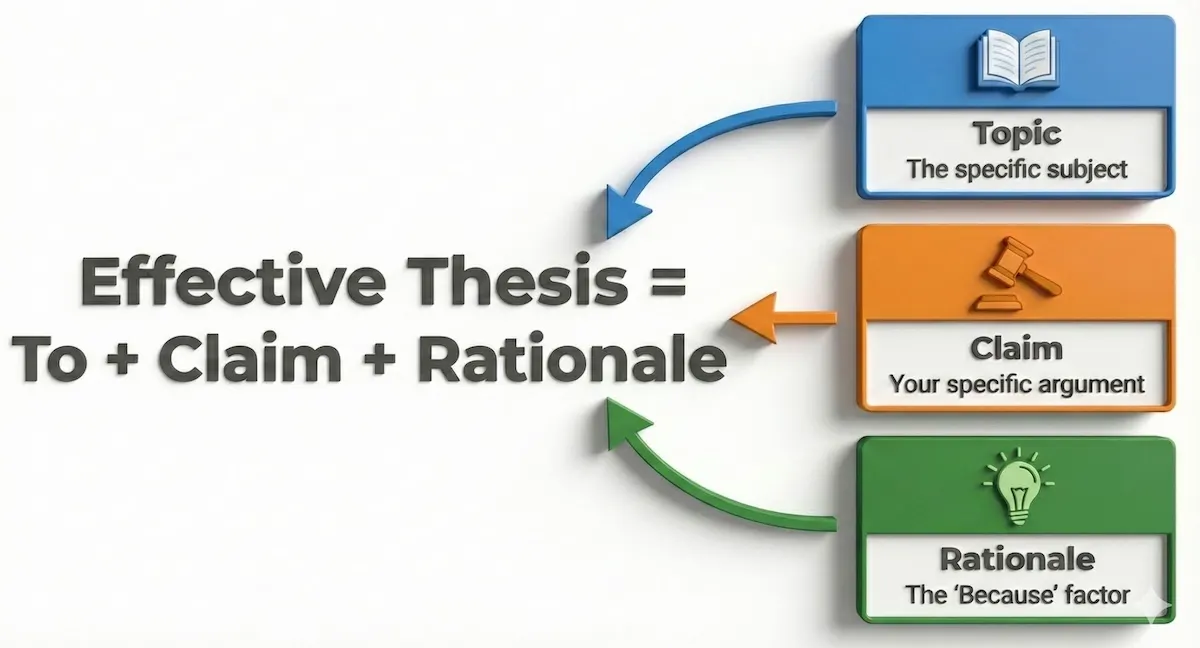
Applying a structured formula to your thesis statement helps remove the guesswork from essay writing.
What Is a Literature Tutor?
A literature tutor is usually an expert (often a literature teacher, graduate student, or seasoned writer) who works one-on-one or in a very small group with a student. Unlike a classroom literature teacher who covers the full curriculum, a tutor focuses on the individual’s needs. Tutors can explain difficult texts, coach on writing assignments, and offer tips on literary analysis and exam strategies. They may hold degrees in English or education, and they tailor lessons so the student learns at their own pace.Online vs. In-Person Tutoring
Today, literature tutoring is often available online as well as in person. Literature tutoring online uses video calls and interactive whiteboards, making it easy to connect from home. This flexibility benefits students in different time zones (e.g., in the USA, UK or Gulf countries) and allows matching with tutors worldwide. In-person sessions (at school, a library, or a tutor’s home) offer face-to-face interaction and can feel more personal. Both formats aim to provide the same core benefit: customized attention.Many students find that online literature tutoring is just as effective as in-person, thanks to digital tools. Deciding between virtual and traditional tutoring depends largely on your learning style and schedule. Here is a quick comparison of how the two formats stack up: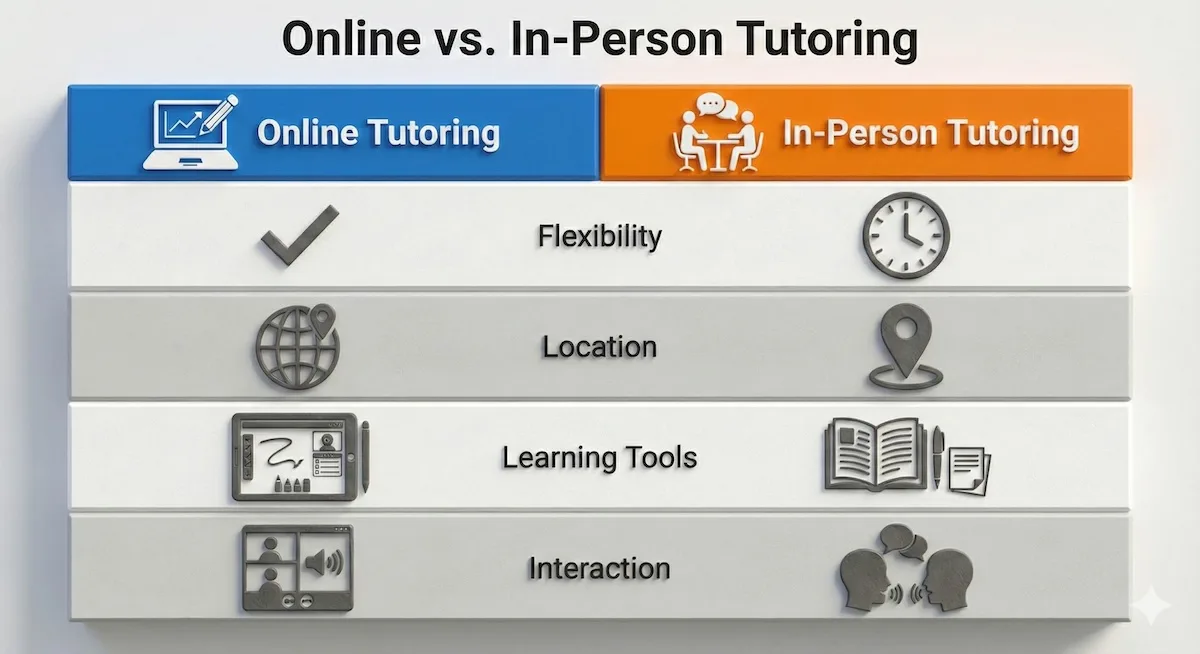
Compare the key features of online and in-person sessions to choose the format that fits your schedule.
Benefits of Literature Tutoring
One-on-one tutoring brings clear advantages. Tutors adapt lessons to what the student specifically needs—whether that’s understanding a poem’s meaning, organizing a thesis statement, or reviewing for an exam. Research indicates that high-quality tutoring can significantly accelerate learning: students often gain the equivalent of 3–15 additional months of progress.The impact of this personalized attention is backed by data. As shown below, the learning gains from one-on-one support are significant compared to classroom instruction alone.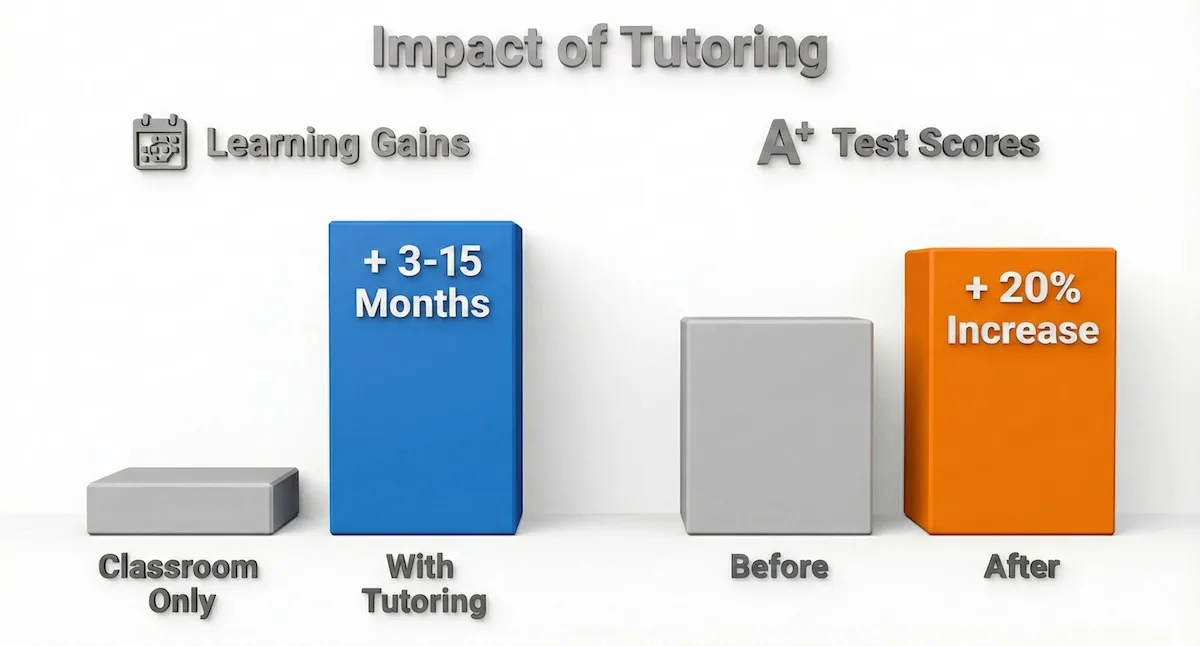
Research shows personalized tutoring yields measurable improvements in both learning speed and final grades.
- Customized lessons: Tutors focus on the student’s weaknesses, whether vocabulary, writing structure, or theme analysis.
- Homework & essay guidance: Tutors walk through literature assignments step by step, ensuring understanding and offering corrections.
- Improved reading skills: Regular tutoring practice boosts reading comprehension and analytical thinking.
- Flexible support: Sessions are scheduled when convenient (after school or weekends) and last as long as needed to cover tough material.
Finding the Right Literature Tutor
Looking for the right literature tutor involves checking credentials and style. Many online tutoring platforms allow parents or students to find a qualified match by browsing expert profiles. Tutors usually advertise literature homework guidance and assignment support services. When browsing tutors, consider their education (degrees in literature or English), experience teaching your grade level, and familiarity with curriculum. Read reviews or ask for a trial session to see if the tutor communicates clearly.The best tutors are patient, ask questions to identify confusion, and encourage students (as one student success director said, “Students learn reaching out for help is okay”). Don’t just hire the first profile you see. Follow this four-step process to ensure you find a tutor who is the right fit for your specific needs: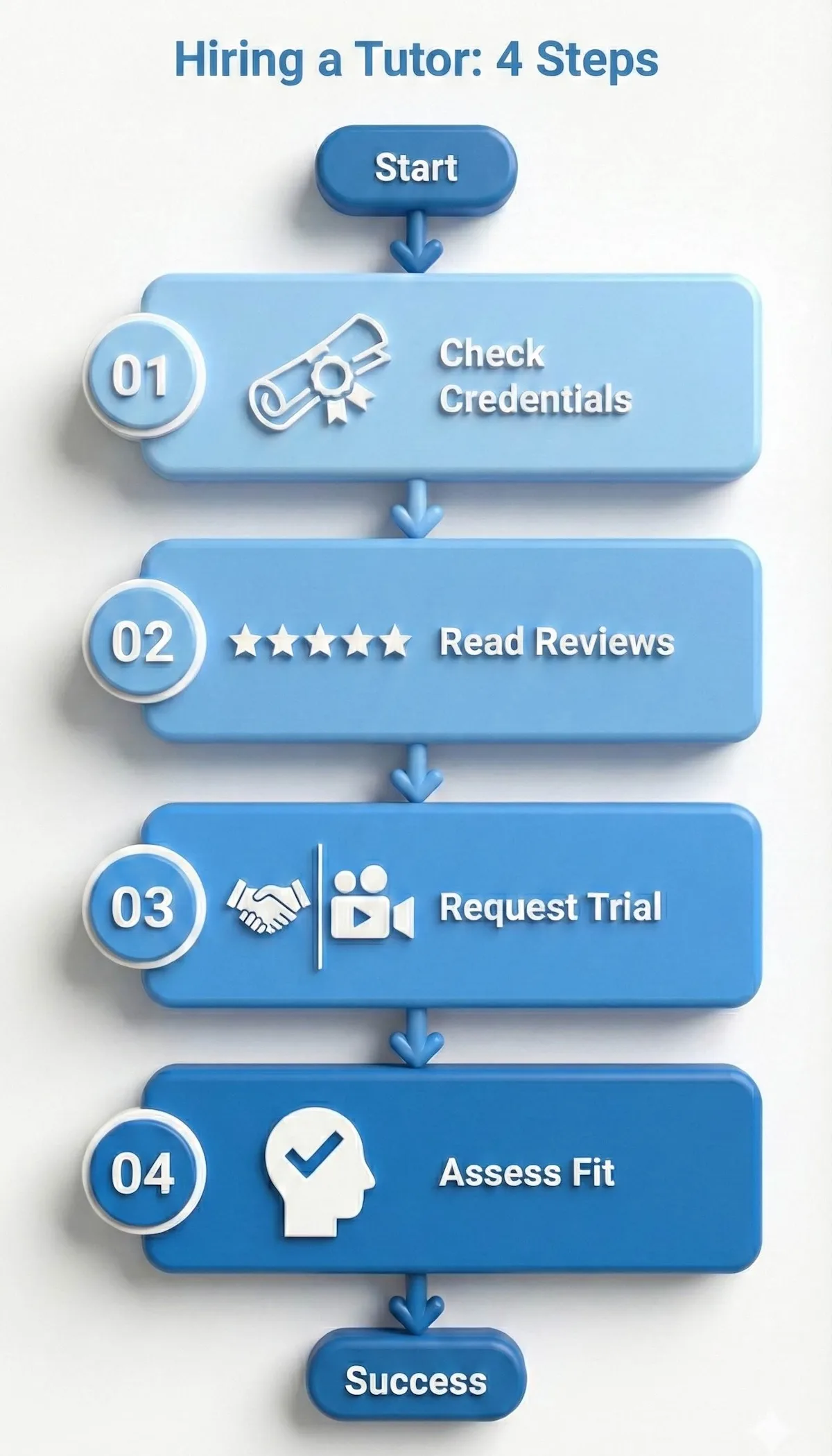
Follow this simple four-step process to ensure you find a tutor who matches your specific learning needs.
What to Look for in a Tutor
- Strong background: A literature or English degree, teaching certification, or comparable experience.
- Good communication: Able to explain ideas in simple terms and listen to the student’s concerns.
- Empathy and patience: Literature concepts can take time to sink in, so a tutor should be encouraging and patient.
- Proven track record: Positive feedback from other students and concrete examples of helping students improve (like the 20% score boost seen at one university).
Frequently Asked Questions
What is literature tutoring?
Literature tutoring is one-on-one or small-group help that guides students through reading, writing, and analysis in literature courses.
How does online literature tutoring work?
In online literature tutoring, a tutor and student meet via video chat or an app, using digital tools (like a shared whiteboard) to review texts and work on writing together.
How is a literature tutor different from a literature teacher?
A literature teacher leads whole-class lessons, while a literature tutor provides personalized help and extra practice outside class.
How can literature homework guidance improve grades?
Literature homework guidance sessions give students step-by-step support on essays and readings, reducing mistakes and boosting confidence.
How do I find a literature tutor?
You can use online tutoring websites or ask your school for recommendations to connect with qualified literature tutors.
Who benefits from literature tutoring?
Any student struggling with reading comprehension or writing assignments, or anyone wanting to excel and gain confidence in literature, can benefit from literature tutoring.
Related Subjects:British Literature Children’s Literature Classical Greek Literature Comparative literature Folklore Literary analysis Literary criticism Medieval literature Poetry Postcolonial literature Postmodern literature World literatureRelated Reading
******************************
This article provides general educational guidance only. It is NOT official exam policy, professional academic advice, or guaranteed results. Always verify information with your school, official exam boards (College Board, Cambridge, IB), or qualified professionals before making decisions. Read Full Policies & Disclaimer , Contact Us To Report An Error