How Technology Is Transforming Modern Design and Creativity

- Digital tools like Canva and Figma have made professional design accessible to non-designers.
- AI can generate logos, layouts, and artwork from simple text prompts.
- Cloud platforms enable real-time collaboration across global creative teams.
- VR and AR are pushing design beyond flat screens into immersive experiences.
Technology has completely reshaped the way we design, create, and share ideas. From powerful design software to artificial intelligence-driven tools, modern technology has made creativity more accessible than ever. What once required specialized training and expensive equipment can now be achieved from the comfort of your laptop or even your smartphone. Whether you’re a graphic designer, entrepreneur, educator, or student, digital innovation has opened new doors for expression, collaboration, and efficiency.
The Rise of Digital Design Tools
One of the most significant advancements in technology is the development of intuitive design platforms. Tools like Adobe Creative Cloud, Canva, and Figma allow users to design visually stunning graphics without needing professional design skills. With drag-and-drop interfaces and vast template libraries, these platforms simplify complex creative processes. If you work with data visualization as part of your design workflow, a Power BI tutor can help you turn raw data into compelling visual reports.
This accessibility has revolutionized industries such as marketing, education, and entertainment. For example, small business owners can now create their own marketing materials using free printable poster templates available online. These templates not only save time and money but also enable anyone to maintain a professional brand identity without hiring a designer.
The shift from traditional drafting to modern software has dramatically lowered the barrier to entry. This comparison highlights how accessible professional design has become.
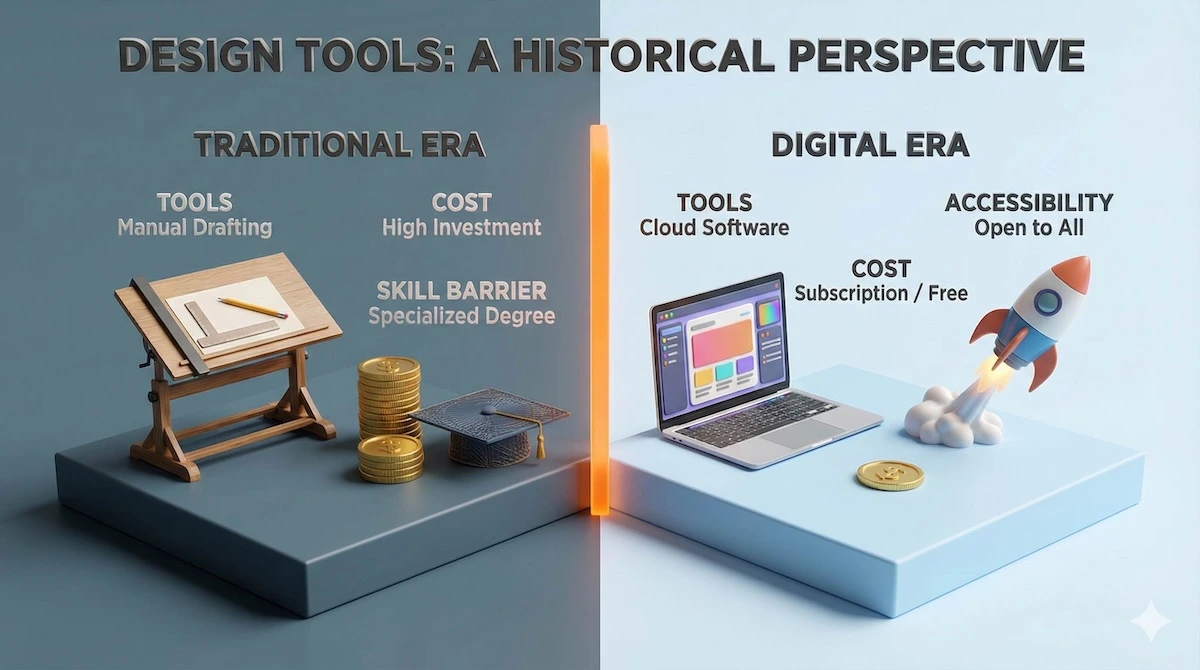
With these digital tools, the focus shifts from manual skill to creative vision. If you need to communicate your ideas through well-structured written work, getting guidance from an essay writing tutor can sharpen how you present concepts alongside your visuals.
If you’re looking for engineering-focused templates and practical how-tos, My Engineering Buddy website offers a curated set of free resources tailored to technical projects. It’s a handy spot for engineers who want clean, usable visuals without spending hours on layout.
Artificial Intelligence in Creative Processes
Artificial intelligence (AI) has taken digital design a step further. AI-powered tools can now generate logos, layouts, and even artwork with minimal human input. Machine learning algorithms analyze user preferences and automatically adjust designs for balance, color harmony, and visual appeal. This has made design faster, smarter, and more personalized.
Online learning platforms have expanded access to these emerging skills considerably. A review of Pluralsight’s reviews, alternatives, pricing, and offerings shows how technology-focused learners are upskilling in AI and design tools through structured courses.
Examples of AI Creative Tools
For instance, AI image generators can produce custom visuals based on text prompts, while AI-assisted photo editing tools can retouch images instantly. These innovations empower creators to focus more on the conceptual side of their work rather than spending hours on repetitive design tasks.
Understanding how AI fits into the creative workflow can help you leverage it effectively. Here is how the process flows from concept to generation.
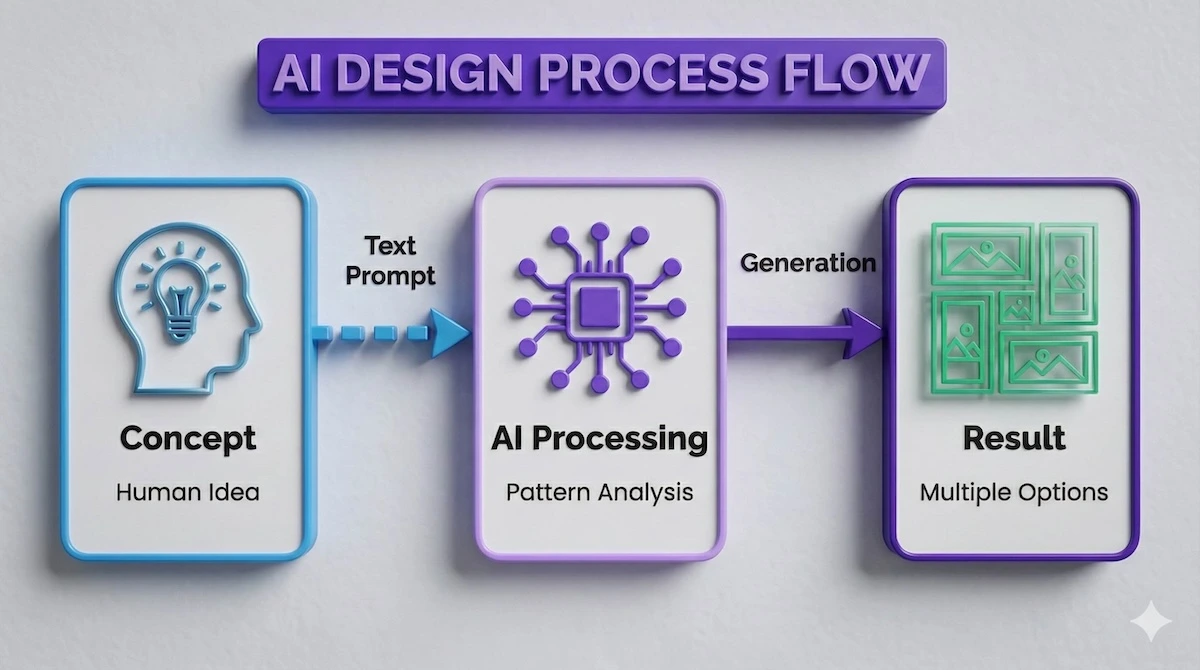
By handling the iteration phase, AI allows designers to act more as curators than drafters. Medical imaging is one field where AI-driven visual analysis is advancing rapidly; those entering that space may benefit from working with an ARRT tutor to understand the technical standards behind diagnostic imaging.
Cloud Collaboration and Remote Creativity
In today’s interconnected world, cloud-based technology has transformed the way creative teams collaborate. Designers can now work together in real time from different parts of the world, editing and reviewing projects simultaneously. Platforms like Google Workspace, Figma, and Trello enhance communication, streamline workflows, and ensure version control across projects.
Modern projects are rarely built in isolation. The cloud acts as a central nervous system for global teams, as shown below.
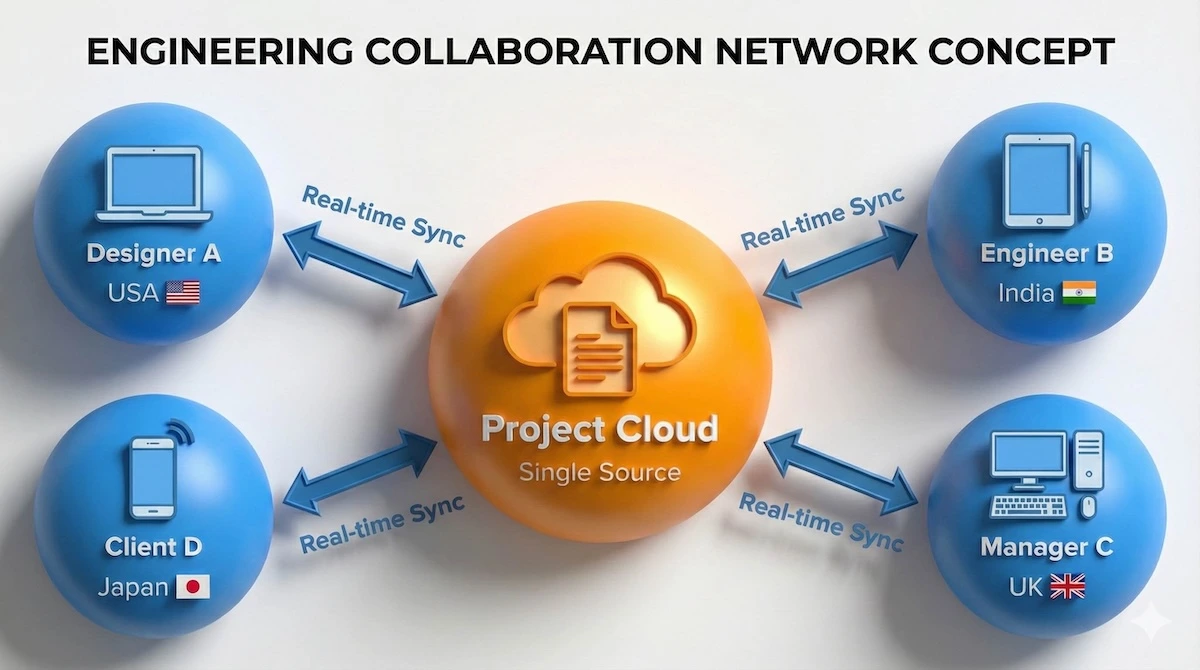
This connectivity ensures that no matter where your team is located, everyone works on the single source of truth. Platforms built for online education follow a similar model; a detailed look at Canvas LMS reviews, alternatives, pricing, and offerings illustrates how cloud infrastructure supports distributed learning communities.
Global Communities and Shared Resources
This level of connectivity has also given rise to a global community of digital creators who share resources, inspiration, and templates — making design a more collaborative and inclusive field. Platforms reviewed in our FutureLearn reviews, alternatives, pricing, and offerings post demonstrate how shared online environments are nurturing exactly this kind of creative community.
The Future of Design and Technology
As technology continues to evolve, the line between human creativity and machine assistance will become even more seamless. Virtual reality (VR) and augmented reality (AR) are already changing the landscape of design by creating immersive experiences for users. Whether it’s virtual product demos, interactive 3D posters, or AR-enhanced educational materials, the future of design will be defined by innovation and interactivity.
We are moving beyond flat screens into immersive experiences. This visualization demonstrates the leap from 2D monitoring to VR interaction.
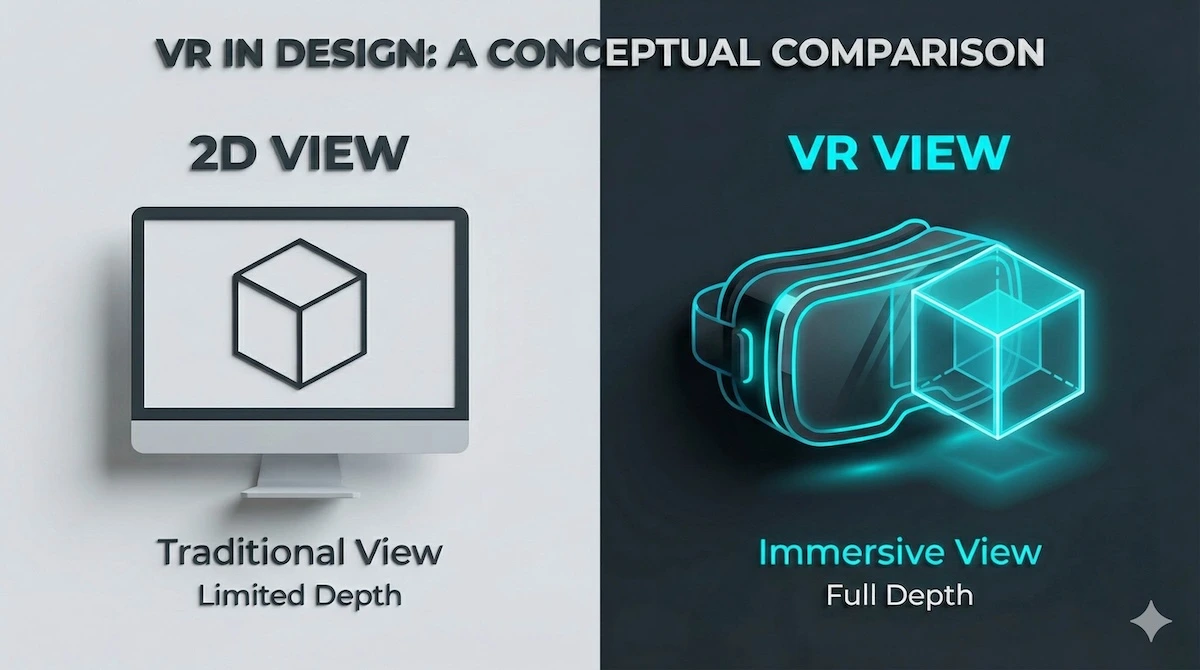
Embracing these immersive technologies will be crucial for the next generation of engineers and designers. The science of space and scale that underpins 3D visualization connects naturally to fields like astronomy tutoring, where understanding spatial relationships is fundamental. Similarly, the mechanical and systems thinking behind AR-enhanced product design overlaps with automotive engineering tutoring, where digital prototyping is now standard practice.
Choosing the right platform to learn these skills matters too. Our Wise online teaching platform reviews, alternatives, pricing, and offerings post breaks down one option worth considering for designers and engineers looking to upskill.
Conclusion
Technology has democratized creativity, giving everyone the tools to design, innovate, and express ideas visually. From AI-driven design assistants to accessible resources like free printable poster templates, the digital age empowers both professionals and beginners to bring their visions to life. As we move forward, embracing these technologies will not only enhance creativity but also redefine what it means to design in the modern world.
Related Reading
******************************
This article provides general educational guidance only. It is NOT official exam policy, professional academic advice, or guaranteed results. Always verify information with your school, official exam boards (College Board, Cambridge, IB), or qualified professionals before making decisions. Read Full Policies & Disclaimer , Contact Us To Report An Error