
Wise: Online Teaching Platform Reviews, Alternatives, Pricing, & Offerings in 2025

Wise is an online tutor management platform built to help educational businesses run more smoothly. It handles scheduling, billing and class management for tutors and schools. This article compares Wise with other tutoring services to help students and parents make informed choices.
We cover Wise’s reviews, pricing, services and alternatives, so you can see how Wise stacks up against My Engineering Buddy and other options for online tutoring.
It is crucial to understand that Wise is not a place to find new students, but a tool to manage the ones you already have. The visual below explains this fundamental difference.
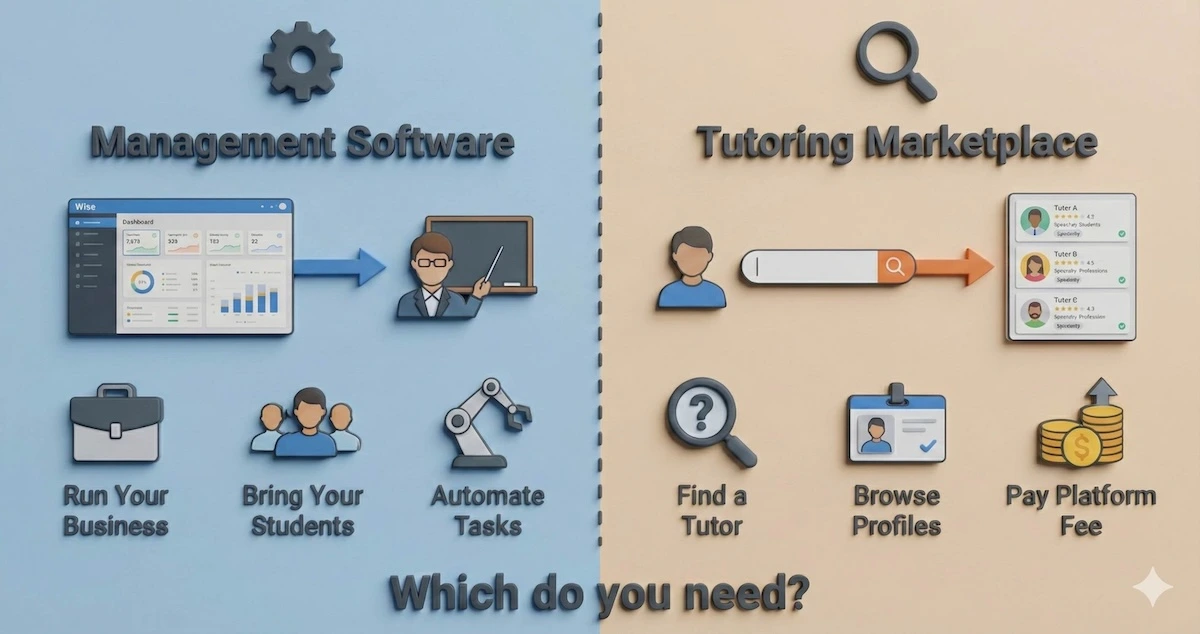
Wise is a management tool for existing businesses, unlike marketplaces where you search for new tutors.
By acting as a backend management system rather than a public marketplace, Wise allows you to keep 100% of your earnings minus a small usage fee.
Wise Reviews and Testimonials
G2: Wise’s G2 page shows about 11 user reviews with an average rating around 4.7/5. Users there praise Wise’s intuitive interface and automation: one reviewer says it “automates mundane tasks like attendance, scheduling and grading,” saving time. Another notes the dashboard gives good insights on student progress. Some caution that it is best for tech-savvy users, and point out it only supports Zoom classes.
Capterra: On Capterra Wise has about 20 reviews averaging 4.9/5. Reviewers say Wise is “easy to use” and the support team is “very helpful”. They report smooth class management and “tension-free” experience. In short, Capterra users are very satisfied with Wise’s features and customer service.
SoftwareSuggest: SoftwareSuggest shows 12 reviews with an average 4.8/5 rating for Wise. Customers highlight Wise’s clean, user-friendly UI and time-saving tools. For example, one user says Wise has a “comprehensive dashboard” that tracks student engagement and that there are “zero transaction fees” on paid courses. Some tutors noted missing features, like the inability to bulk-upload resources or a student marketplace for finding new learners.
GetApp: According to GetApp, Wise has an overall 5.0/5 rating from 20 reviews (100% positive). Customers praise Wise as “very user friendly” and credit its “seamless integration and responsive support”. They especially like that Wise keeps instructors’ earnings whole (no platform commission). Cons in GetApp comments are minor: users point out only Zoom integration (no other video tools) and no built-in student marketplace.
Wise’s website: On Wise’s own site, customer testimonials (from tutoring company founders) are very positive. For example, education leaders say Wise’s features (like quizzes, polls and gamification) “increased student engagement” and that the platform made operations more efficient. They note Wise’s white-label apps and AI analytics help raise learning results. No negative feedback is posted on Wise’s site, since it only shows approved testimonials from clients.
Don’t just take our word for it; Wise has garnered impressive feedback across the web. Here is a snapshot of their ratings from major software review platforms.
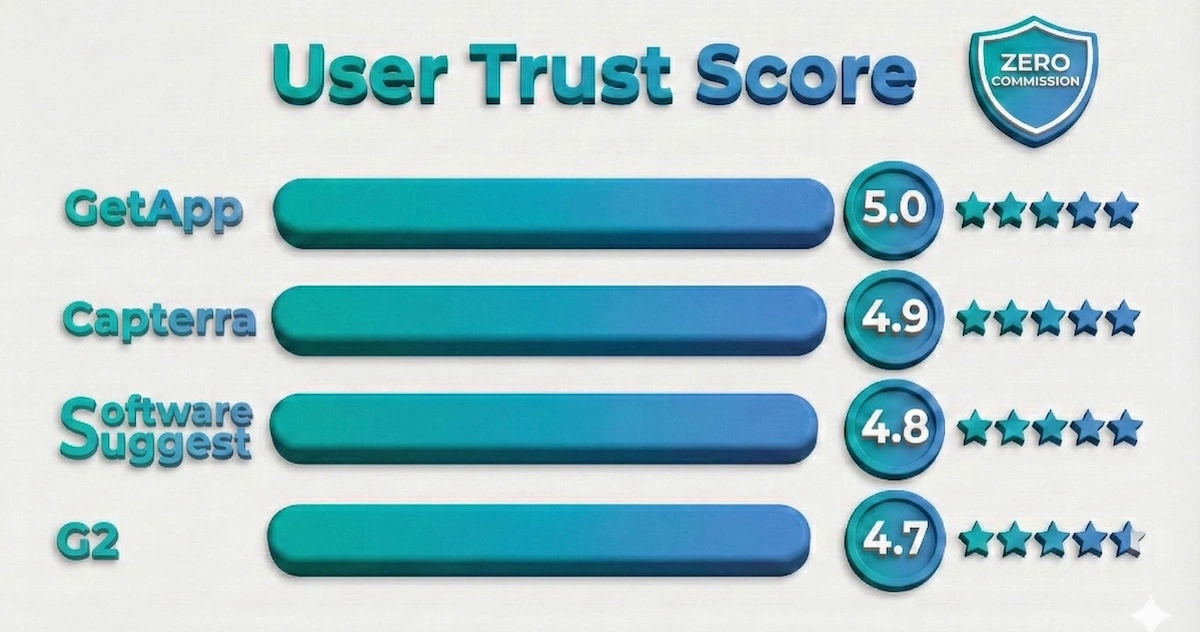
Users across major review platforms consistently rate Wise highly for its ease of use and reliability.
With consistent scores above 4.7/5, the platform has proven its reliability for thousands of tutors worldwide.
Is Wise legit? All evidence shows Wise is a legitimate platform. It is highly rated (4.7–5.0) on multiple review sites. Verified customers praise its reliability and features (and there are no reports of scams or unfulfilled promises). Wise was founded around 2020 and serves 1000+ tutoring businesses. Given the consistent positive feedback and established history, Wise appears to be a trustworthy solution for tutoring businesses.
In summary, Wise consistently earns top marks from tutoring companies for its ease of use and powerful features. Reviewers love its user interface, scheduling automation, and 0% commission model. The main downsides noted are a lack of a student marketplace and limited video options. Overall, feedback suggests Wise is an effective, reliable platform for managing online teaching.
Wise Pricing
Pricing Range
Wise uses a pay-as-you-go model. For online tutoring, each live student-session costs $0.69 (USD). Similarly, group classes cost $0.69 per instructor seat. This fee includes the Zoom video connection, so users need not pay Zoom separately. Wise advertises 0% transaction fees, meaning tutors or academies keep all of their earned payments. In other words, Wise charges only the per-session rate and no extra commission.
The pricing model can be confusing if you are used to giving up 20-30% of your income. Let’s break down exactly what the $0.69 fee covers.
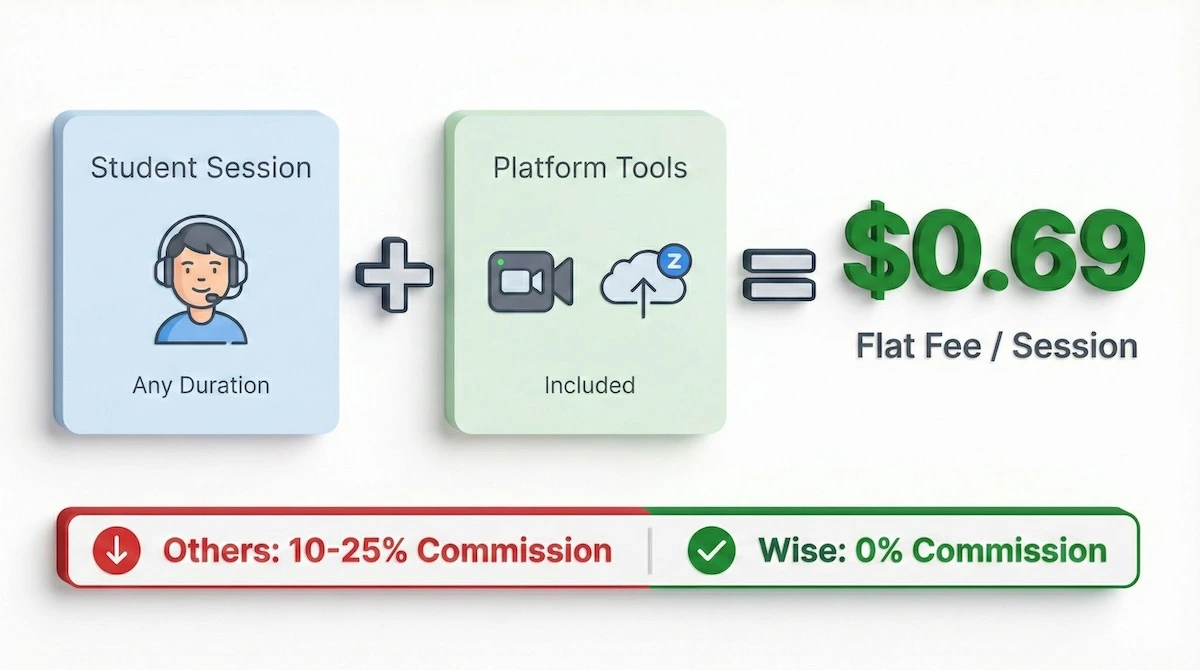
Unlike platforms that take a percentage, Wise charges a simple flat fee, keeping your earnings safe.
This flat-fee model means that as your hourly rate increases, your profit margin grows—unlike commission-based platforms where you pay more as you earn more.
Wise also has a “Pay per Seat” option for group tutoring (same $0.69 rate). The pricing page shows example calculations (e.g. 2 sessions or 2 seats cost $0 for the first month, implying a free credit). There are no other separate service fees listed on the site. (Earlier scraped info suggested tiered plans like $49 or $349 per month, but the official site uses the per-session pricing above.) For more details, see the Wise pricing page.
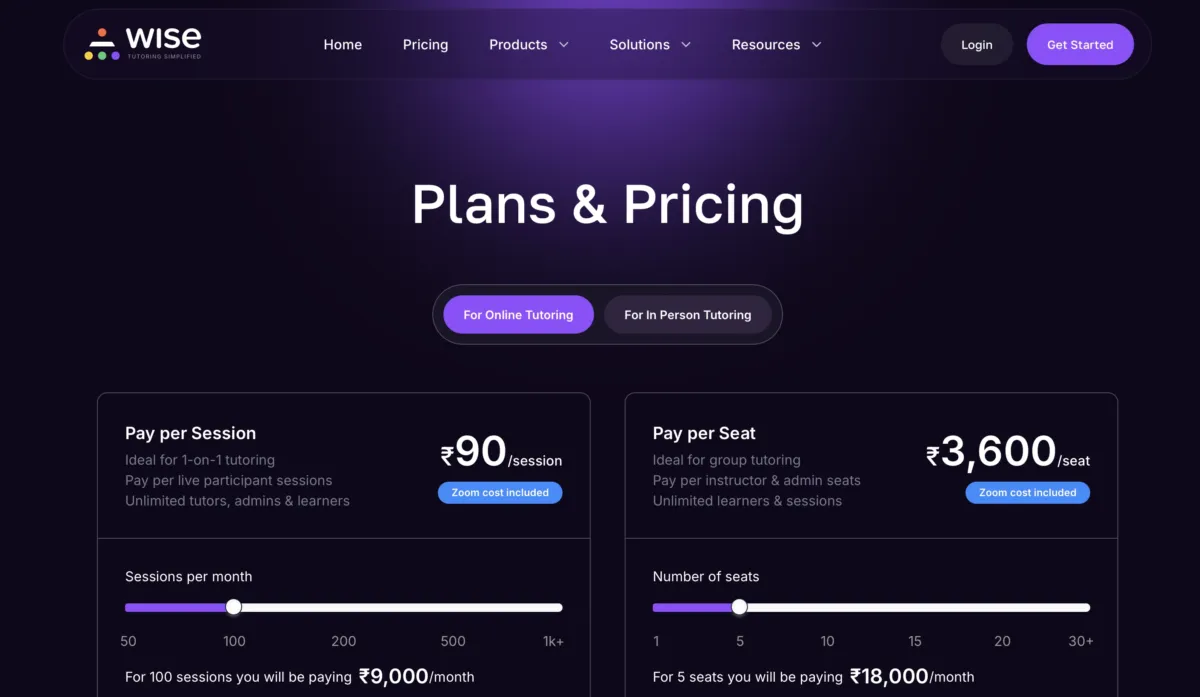
What students say about Wise pricing
We found very few direct user comments about Wise’s pricing. Most reviews focus on features and did not criticize costs. Given the model, Wise’s fees are quite low for tutors (at $0.69 per student-hour). This is much cheaper than typical private tutoring rates (which can be $30–$100/hr in rich countries). Because Wise adds no commission, many users consider it cost-effective. In short, there are no signs reviewers think Wise is overpriced; rather, the platform is viewed as offering a lot of value for its fee.
Hidden costs
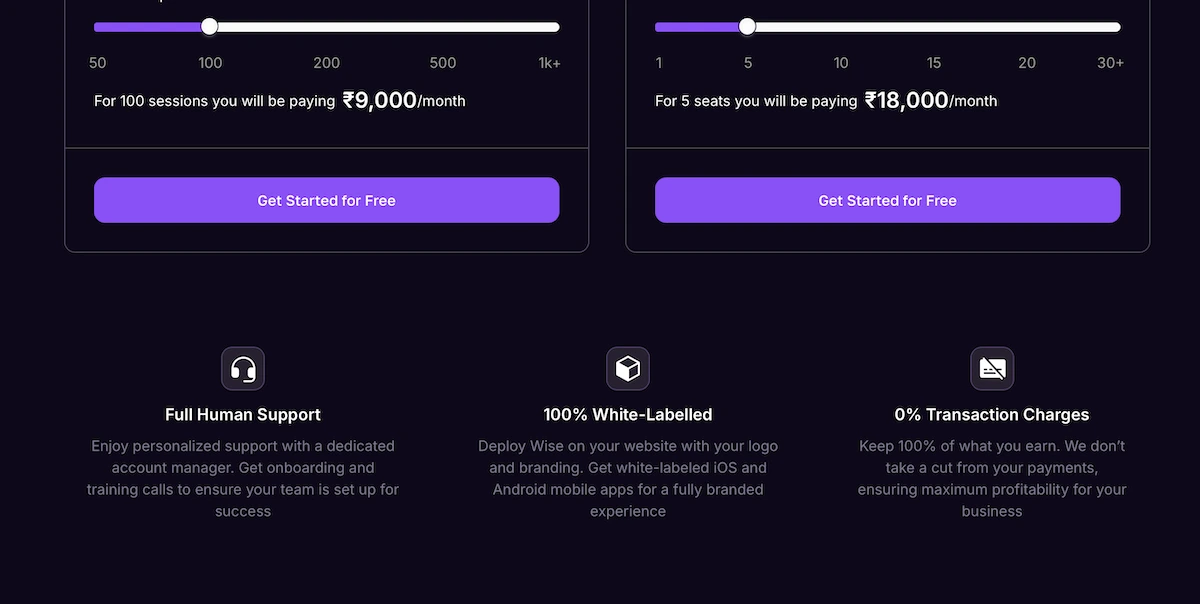
Wise’s website does not mention any hidden fees. There are no registration charges, platform commission, or cancellation fees specified. Zoom integration is built-in (so no extra video costs). The only ongoing cost is the per-session charge. Any optional add-ons (like custom development or large enrollments) would be disclosed during sales talks, but basic use has no surprise fees.
How Wise’s pricing works
Wise’s billing is fully usage-based. You pay after you take sessions; there are no upfront subscriptions. Payments are made by credit card or invoice through the platform (Wise supports multi-currency transactions). There are no special discounts listed (e.g. for students or military). No promo codes are advertised on the site. Wise advertises “full human support” with account managers but does not use advance packages or subscriptions. Tutors or schools simply add funds to their Wise account as they go.
Free Trial
Yes, Wise offers a free start. The pricing page explicitly shows “Get Started for Free” for both online tutoring plans. For example, the first 2 sessions or seats are listed at $0, allowing new users to try the system without charge. (There is no separate sign-up fee.)
Refund policy
According to Wise’s official terms, all payments are final: “the Company does not support refunds” on transactions. In other words, once a session fee is paid, it cannot be returned. No user reviews contradicted this; in fact, one Google reviewer called their “no refund policy” predatory. We did not find reports of Wise illegally overcharging – but students should be aware that Wise itself will not refund tuition if a session is missed or unsatisfactory. In practice, any refunds or adjustments would be up to the individual tutor or academy using Wise, not Wise itself.
Wise Alternatives
Choosing the right platform depends entirely on your business goals. This comparison highlights how Wise stacks up against heavyweight LMS systems like Canvas and marketplaces like My Engineering Buddy.
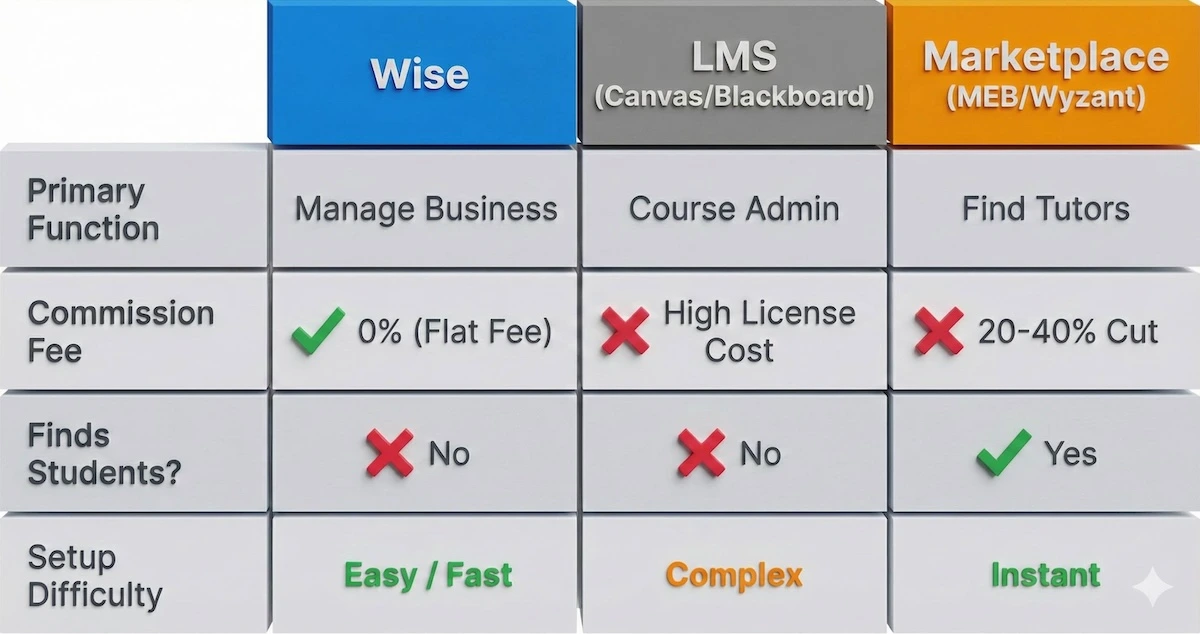
Choose Wise if you have students and need management tools; choose a marketplace if you need to find new students.
As you can see, Wise occupies a unique middle ground: easier to set up than an LMS, but without the high fees of a marketplace.
Students often compare Wise to other tutoring platforms to find the best fit. Alternatives can offer different subjects, pricing, and ways to connect with tutors. Below is a summary of some popular options, including My Engineering Buddy. Each has its own strengths and weaknesses compared to Wise.
Canvas LMS
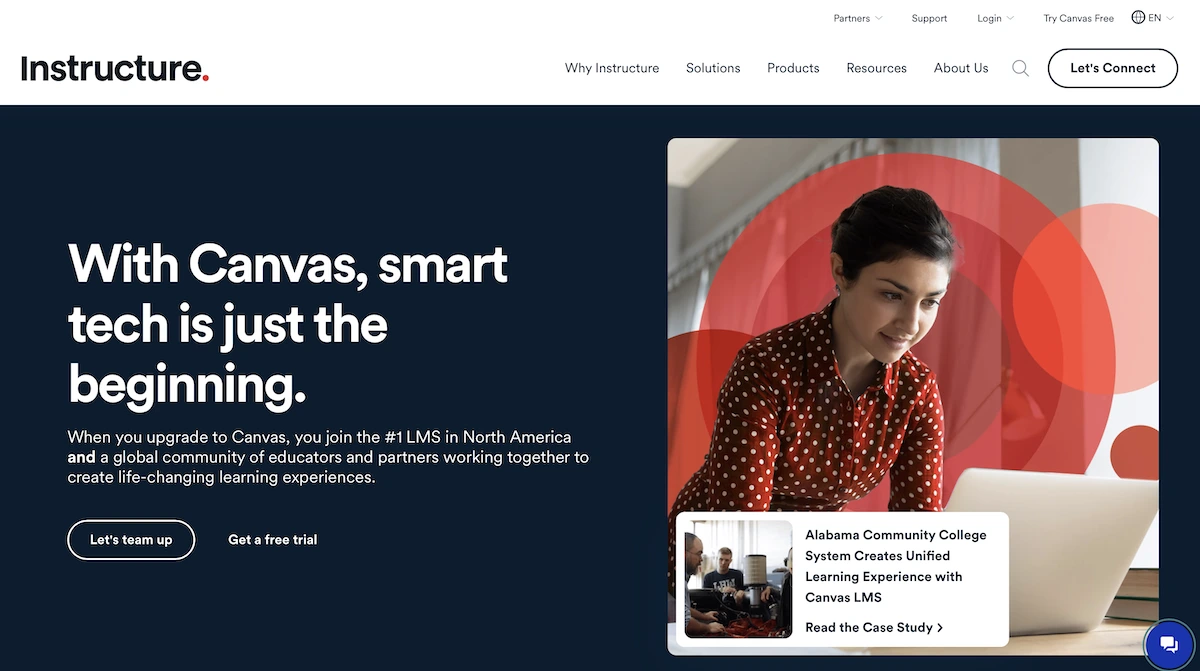
Pros: Canvas is a widely used learning management system for schools and colleges. It offers robust course management, grading, and content tools that can scale to large classes. In terms of features, it is comparable to Wise in managing schedules and assignments.
Cons: Canvas is aimed at institutions, not individual tutors. It lacks white-label support and is more complex. It doesn’t have Wise’s built-in video tutoring or 0% fee model. Canvas requires more setup and is not free; Wise is simpler for small tutoring operations.
Blackboard
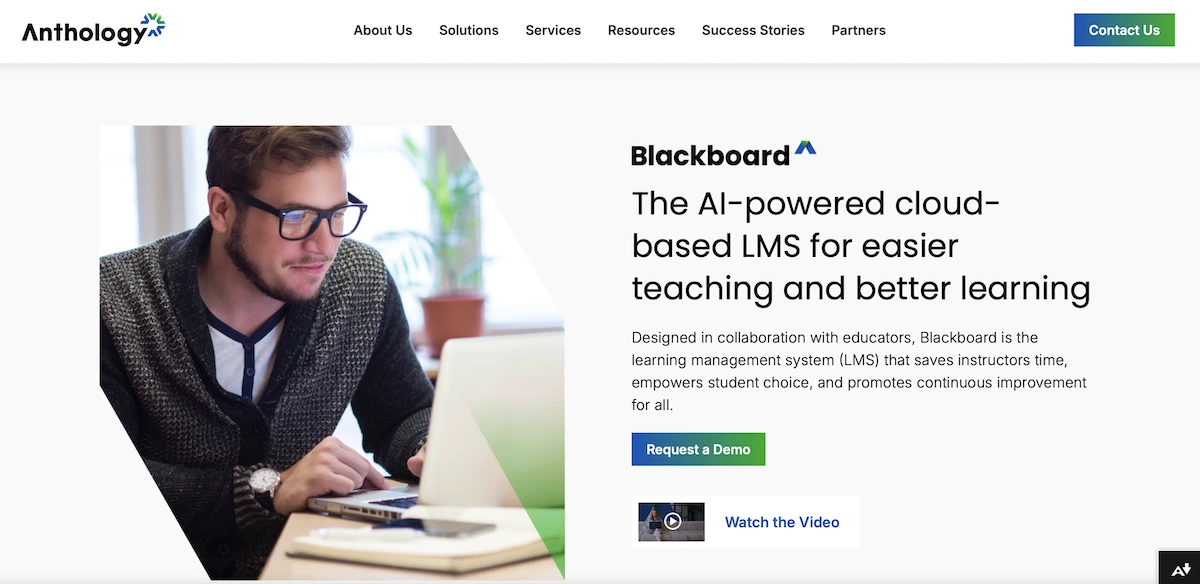
Pros: Blackboard is another global LMS with strong tools for engagement and assessment. It supports many languages and is used by universities. It integrates with video conferencing and offers extensive analytics.
Cons: Blackboard is expensive and generally for big institutions. It is overkill for one-on-one tutoring. Unlike Wise, Blackboard does not allow tutors to keep all payments – it is licensed per student or per school seat. For a small tutoring business, Wise is easier and more cost-effective.
TutorCruncher
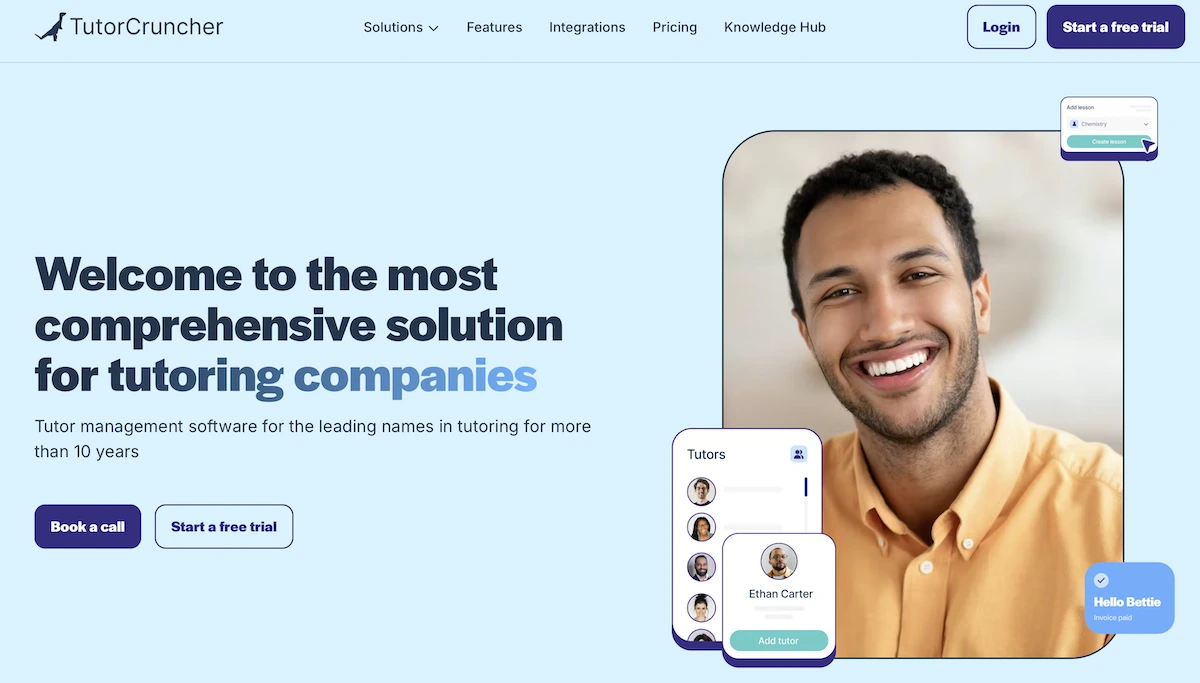
Pros: TutorCruncher is a direct competitor as a tutor management software. Like Wise, it handles scheduling, billing, and student tracking, and it also integrates with Zoom. It supports payments and refunds, plus a tutor finder marketplace.
Cons: Some users say TutorCruncher has higher monthly fees for small teams, whereas Wise’s pay-per-session can be cheaper if usage is low. TutorCruncher does charge commissions on lessons, unlike Wise’s 0% model. TutorCruncher has fewer third-party integrations and reporting than Wise.
My Engineering Buddy
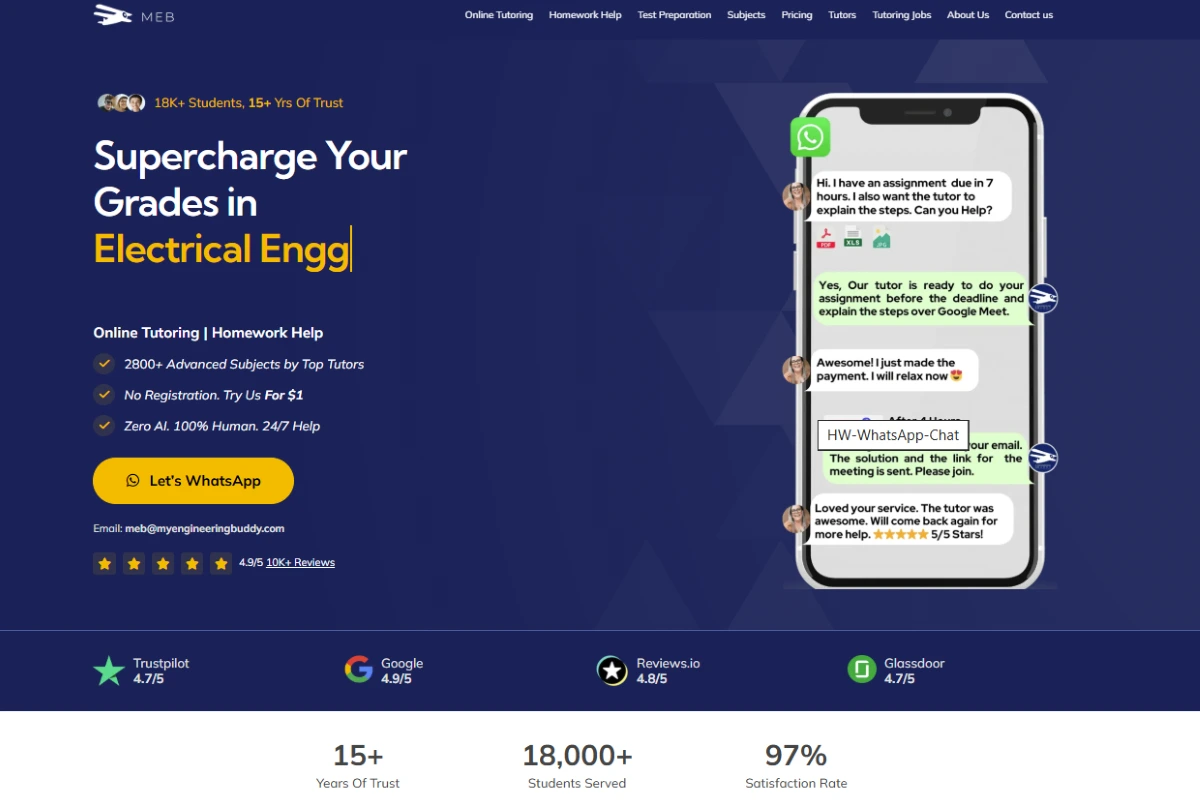
Pros: MEB is an online tutoring service (not management software). It excels in advanced STEM subjects (engineering, math, science). MEB tutors are highly qualified and focused on individual support. Parents say MEB tutors explain tough problems clearly (for example, a user praised how their tutor “made tough physics problems easy”). It also offers flexible pay-per-session pricing and coverage of 1-on-1 homework help, which Wise (as software) does not provide.
Cons: MEB’s pricing is higher per session than Wise’s $0.69 fee (they charge industry rates for expert tutors). MEB has limited capacity compared to an automated system: you need to book tutors, and subject offerings are mostly college-level. Wise (as a software platform) supports thousands of students and institutions – MEB has a few tutors and targets difficult courses specifically.
UniversityTutor
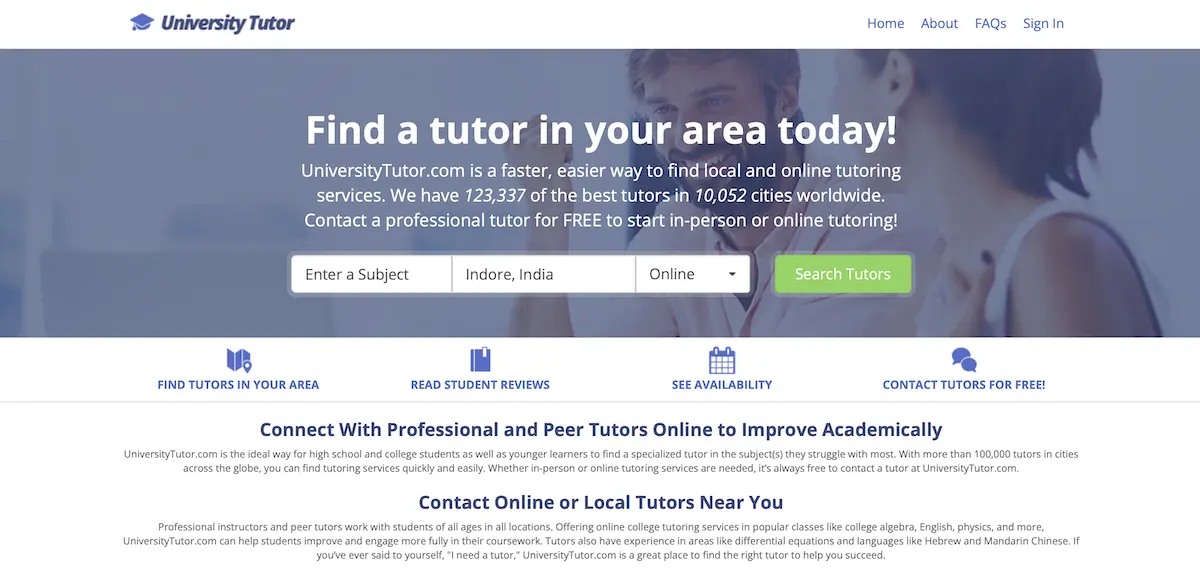
Pros: UniversityTutor is a tutoring marketplace in North America. Tutors can set hourly rates and connect with many students. It supports a range of subjects from math to languages.
Cons: UniversityTutor adds its own service fee (about 20%). It has less advanced tech (no gamification or AI tools like Wise). Its focus is on Canada/US only. For managing entire tutoring business operations, Wise is more complete.
Across these alternatives, Wise’s niche is clear: it isn’t a tutoring marketplace at all but a back-end management tool. Students and parents looking to hire a tutor directly will lean toward services like MEB or Wyzant. However, for tutors and businesses wanting better tech and zero commission, Wise remains a top option.
How it Works?
Because Wise is invite-only, students often ask how to sign up. The flowchart below outlines the specific path a student takes to join your classroom.
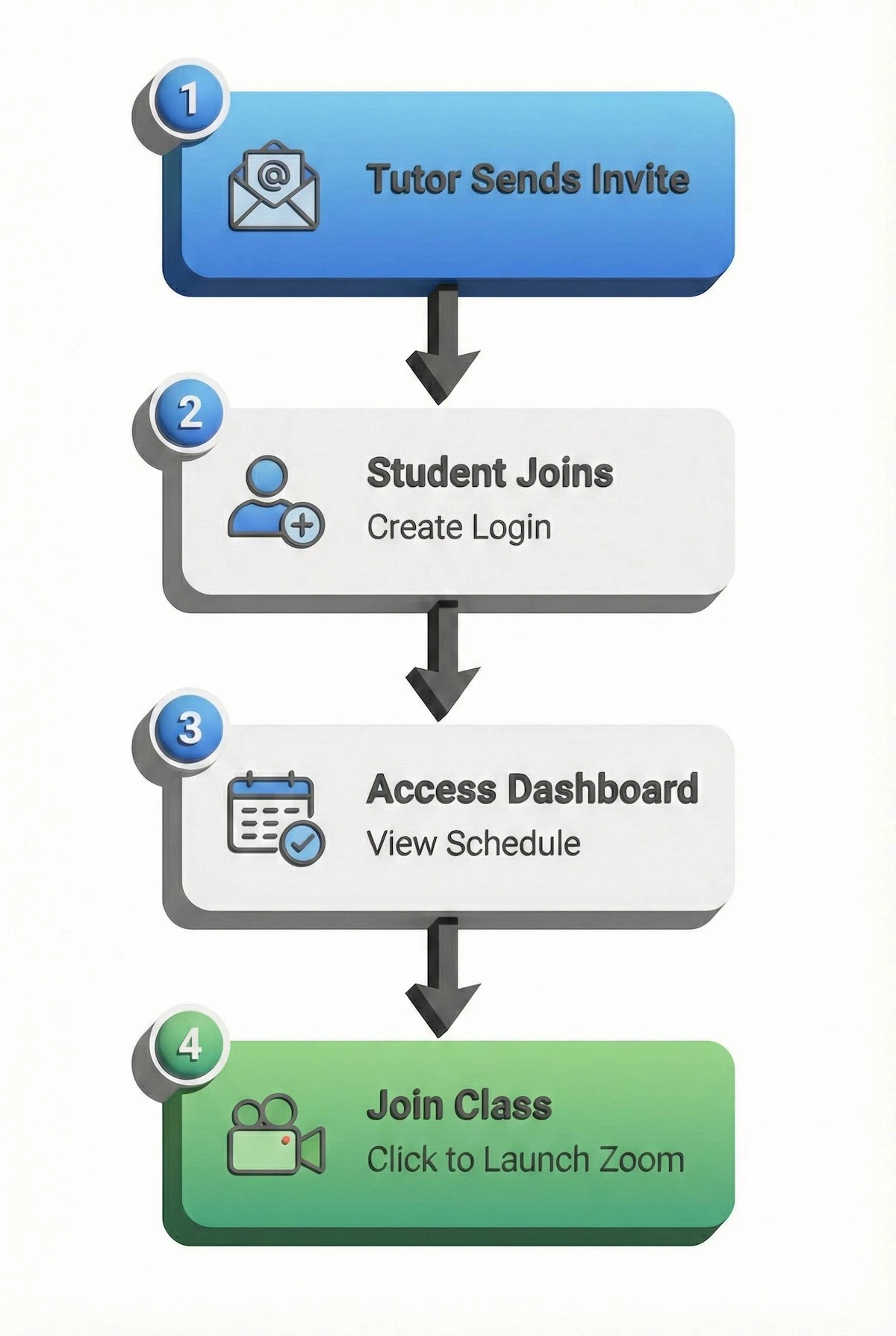
Students cannot browse for tutors on Wise; they must receive an invite link from their instructor to begin.
Once inside, the dashboard provides a clutter-free interface focused entirely on upcoming classes and past recordings.
A. For Students
To use Wise, students typically join through a tutoring business. Students or parents sign up by providing basic info and linking to a tutor or class (often via an invitation email or code). Once enrolled, students have a dashboard showing their schedule and resources. Sessions link directly to Zoom so no meeting IDs are needed. The platform sends automated reminders to reduce no-shows. In practice, most students get access after a tutor or school onboards them, so there is no public student directory – it’s an invite-only system for students of Wise-using organizations.
B. For Tutors
Wisе is designed for institutions, not freelance tutors. Usually, a tutor is added by an academy or tutors themselves if they run a business. There is no public “apply as tutor” form; instead, organizations sign up at Wise’s site (see Login/Sign Up) and add their instructors. Tutors then use the Wise web/app interface to run classes. Wise automates tasks like attendance and invoicing so tutors can focus on teaching. (If you run your own tutoring business, you can register at Wise to use their system. Check the Wise site’s login/sign-up page to get started.)
FAQs
Q1. Can tutors set up their own fee or is it fixed by Wise?
Wise is a software platform, so it does not dictate tutor pay rates. Tutors or tutoring businesses using Wise set their own fees. Wise simply processes payments and automates payroll according to the rates agreed by the tutor and student.
Q2. How much can a tutor earn per hour?
Wise does not set tutor salaries. In practice, tutors working with Wise-managed centers earn what their institutions pay. For reference, in high-income countries STEM tutors often charge anywhere from $30 to $80 per hour. Wise’s 0% fee model means tutors keep all of that rate, unlike on commission-based sites.
Q3. How many hours of work can a tutor get per month?
This depends entirely on demand and marketing, not on Wise. Wise offers tools to schedule unlimited sessions, but actual hours come from finding students. A busy tutor or academy could run dozens of sessions per week; a slow period means fewer hours. Wise’s flexible scheduling supports any load.
Q4. Is it easy to get students on Wise?
Wise itself does not match tutors with students. It helps manage students once you have them. So “getting students” still relies on the tutor’s or academy’s own marketing and reputation. However, Wise’s professionalism (auto reminders, recording archives, etc.) can improve student retention and referrals once classes begin.
Q6. How to get more students on Wise?
Since Wise is a backend tool, the strategy is the same as anywhere: provide great teaching so students recommend you. Wise’s features (like recording sessions and sharing materials) help demonstrate value, which can attract more clients. Tutors should keep profiles updated, encourage students to rate and review them, and maybe partner with coaching centers. The platform itself does not have a public tutor search.
What tutors like about Wise: Tutors appreciate that Wise automates class logistics. They often praise the one-click session start, auto-attendance and clear dashboard. Reviews note that Wise’s interface is easy and saves many administrative hours. For example, a user said the “auto attendance and session management has saved me a lot of time”. Overall, tutors like how Wise handles scheduling, records, and payments so they can focus on teaching.
What tutors do not like about Wise: Tutors cite a few downsides. A common complaint is that Wise uses only Zoom for video – there’s no Google Meet or Teams option. They also miss an integrated marketplace to find students. One review specifically pointed out that users must upload files one-by-one, which can be tedious. In short, the main dislikes are limited video choices and missing bells (like referrals or batch uploads) rather than teaching tools.
Wise: Company Information
Wise (operated by Wise Leap Technologies, Inc) was founded in 2020. It was co-founded by Mubeen Masudi (an IIT Bombay graduate and former test-prep tutor). Wise’s mission is to empower tutoring businesses by automating their operations (scheduling, billing, engagement) so tutors can focus on teaching. Its vision is to create the world’s leading online tutoring management platform, helping educators scale and improve learning outcomes.
Wise is headquartered in San Francisco, USA (with a global customer base). The platform is used by over 1000 tutoring organizations worldwide, from small language schools to large test-prep centers. The US and other English-speaking countries are the main markets. Wise itself employs a small core team (under 20 by early 2025). The platform supports operations globally: it has built-in multi-currency payment support, though its interface is English-centric.
Wise’s services are entirely SaaS for online education. It offers online 1-on-1 and group tutoring support, plus tools for self-paced courses. Key features include automated scheduling, attendance tracking, session recording and quizzes, parental/students portals, and integrated payments. Wise does not provide content; instead, it integrates generic subjects. In practice, its customers run K-12, test prep, language, music, yoga and other schools through Wise, so the platform itself can handle any subject that clients teach.
Unique features include its white-labeled mobile apps (iOS/Android), AI-driven session analytics, and a built-in classroom (with chat, polls and leaderboards). Wise also advertises 0% transaction fees on tutoring payments, unlike most marketplaces. These USPs are largely confirmed by users: reviewers praise the intuitive UI and full-featured dashboard. In summary:
- White-labeled apps: Wise lets businesses launch branded iOS/Android apps for students and tutors. According to Wise, this makes the service feel like part of the school’s own site. Users say the apps work smoothly and remove hassle of third-party branding.
- All-in-one automation: Wise automates scheduling, reminders, attendance, recording and invoicing. Customers note the interface is easy and integrates well (e.g., one review says “very user friendly interface”).
- AI & analytics: The platform offers AI-powered reports and session summaries. Wise advertises features like AI quiz generation and performance tracking. Early users appreciate the new AI tools, and the company has R&D plans around AI-driven tutoring intelligence.
- 0% Commission: Wise charges no extra fees on transactions. Tutoring companies keep 100% of what they bill students. Customers highlight this as a major benefit (unlike other sites that take 10-25%).
However, Wise also has some drawbacks:
- No student marketplace: Unlike some tutoring sites, Wise has no built-in way for students to find tutors. Institutions must bring their own students. As one reviewer put it, there is “no marketplace to attract new students”.
- Limited video options: Currently Wise integrates only Zoom for classes. Tutors have requested alternatives (like Google Meet). This can be a hurdle if clients prefer another platform.
- Single-resource upload: Some users mentioned that files can only be uploaded one at a time, which is slow for large content libraries.
- No global language support: Wise’s interface is English-only. There’s no multilingual UI, which could limit adoption in non-English markets.
- Focused on B2B: For individual tutors, Wise is not a stand-alone service. There is no direct student-tutor matching on Wise; it only works via tutoring businesses. This can be seen as a limitation if you wanted an off-the-shelf tutoring marketplace.
Comparison with My Engineering Buddy
Wise and My Engineering Buddy serve different purposes. Wise is a management platform, while MEB is an actual tutoring service. For students, MEB shines in advanced STEM help – it hires top engineering tutors and teaches tough subjects like mechanical or electrical engineering. For example, one MEB parent noted how a tutor “made tough problems easy” for their physics homework. MEB’s reviews show strong student satisfaction and word-of-mouth growth.
My Engineering Buddy also offers flexible pay-as-you-go tutoring at fixed hourly rates (e.g. $15–$30/hr) and personal attention, which Wise itself does not. Wise’s strength is back-office tech (0% fees, automation) and scale – it can handle thousands of sessions across many subjects. MEB’s strength is its specialized expertise and tailored help on difficult courses. In short, for students needing one-on-one engineering homework help, MEB may feel more directly supportive. But if an organization needs the best software to run many tutors and classes, Wise is the better tool.
Customer Support and Policies
Wise claims to provide dedicated account managers and support calls. Their site calls this “Full Human Support,” meaning personalized onboarding. However, we found no third-party reviews of Wise customer service. Wise’s own refund policy is strict: payments are non-refundable. By contrast, My Engineering Buddy emphasizes its high satisfaction (97%) and typically allows make-up sessions or partial refunds if needed (as implied by its high Trustpilot ratings). In practice, MEB’s support is responsive via live chat and email, whereas Wise’s support is more B2B (email/ticket) and tied to enterprise contracts.
Global Reach and Localization
Wise is built for a global market. It is used by education providers in many countries and supports multi-currency payments. However, the interface is only in English (targeting U.S., UK, etc.). There are no local-language versions or region-specific features. My Engineering Buddy also has a global customer base (US, UK, Canada, Australia and the Gulf region), but primarily delivers English-language tutoring. Both platforms focus on Western curricula (e.g. MEB mentions US SAT/ACT, engineering programs). Neither offers extensive multilingual support, though Wise’s multi-currency feature makes it easier to bill international students.
Wise’s future plans
Wise is actively expanding its technology. The company has integrated AI-driven features like automated session reports and quizzes, and plans to deepen AI use (as their co-founder notes, AI feedback and personalization are key trends). They have also attracted notable investors (including an edtech founder) which suggests funding for growth. We expect Wise to roll out more analytics and integrations (for example, adding additional video tools or learning analytics). They also aim to enter new markets by supporting more education sectors beyond tutoring (building on its current use in test prep and corporate training). Overall, Wise is using AI and new features to become an even stronger end-to-end teaching management system.
FAQs About Wise
Q1. How does Wise compare to My Engineering Buddy?
Wise is a backend platform for managing tutoring operations, not a place to hire a tutor. My Engineering Buddy is a tutoring service connecting students to expert tutors. In practice, MEB offers one-on-one help in engineering courses (with high 5-star ratings from users), whereas Wise offers tools to run tutoring businesses (scheduling, billing, etc.) behind the scenes.
Q2. What is the Wise app?
Wise is a mobile/desktop app that creates online classrooms. Teachers use it to admit students, start classes, and share resources. It has features like automated attendance, discussion boards and assessments. Basically, it’s a unified platform for tutors to manage live online teaching.
Q3. How much does Wise cost?
Wise uses a simple pricing: $0.69 per student per session. For group classes, it is $0.69 per tutor “seat.” There are no subscription fees or hidden costs. Wise also offers an initial free trial (first couple of sessions are free). Because Wise charges no commission, the total cost to run a class is only these usage fees.
Q4. Is Wise free to use?
Wise is free to start. The first few sessions (e.g. 2 sessions or seats) cost $0. After that, you pay per session as described above. So there is no monthly bill unless you use more sessions. Anyone can download the Wise app and set up a classroom; only actual sessions incur charges.
Q5. Does Wise take commission on tutoring fees?
No. Wise advertises 0% transaction fees. This means tutors or schools keep 100% of what students pay, unlike other sites which often take 10–25%. Wise only charges its fixed per-session rate, so its “commission” is effectively zero.
Q6. Who uses Wise software?
Wise is aimed at educational businesses. Its typical users are tutoring agencies, test-prep centers, language schools and small education businesses. It is used by both small and mid-sized institutions to manage online classes. It is not designed for individual students to sign up; students are on-boarded by their tutoring company.
Q7. Is Wise legit and safe?
Yes. Wise is a bona fide EdTech company (founded 2020) with thousands of real-world customers. It is secure and widely used; data is encrypted in transit. No major security or scam issues have been reported. User reviews consistently rate Wise highly, indicating trust in the platform.
Conclusion
Wise offers powerful tools for tutoring businesses: easy scheduling, automated reminders, session recordings and analytics. Its strengths are full automation and zero commission fees, making it cost-effective for tutors. However, Wise lacks a student-facing marketplace or multi-language support. My Engineering Buddy, by contrast, provides personalized tutoring in advanced engineering subjects and has a 97% satisfaction rate. In short, Wise is great at managing classes, while MEB excels at direct 1-on-1 help. For students needing expert assistance on tough subjects, MEB’s specialized tutors may be the better choice.
******************************
This article provides general educational guidance only. It is NOT official exam policy, professional academic advice, or guaranteed results. Always verify information with your school, official exam boards (College Board, Cambridge, IB), or qualified professionals before making decisions. Read Full Policies & Disclaimer , Contact Us To Report An Error