
The Complete Guide to Life Sciences Tutoring: How Online Tutors Transform Student Success

Life Sciences tutoring transforms academic struggles into success through personalized support, expert guidance, and flexible learning approaches tailored to individual student needs.
Why Life Sciences Tutoring Has Become Essential for Academic Success
The landscape of Life Sciences education is rapidly evolving, presenting both exciting opportunities and complex challenges for students navigating high school and college coursework. From molecular biology to ecology, these subjects form the foundation for countless careers in healthcare, research, biotechnology, and environmental science. However, the intricate nature of biological concepts often leaves students feeling overwhelmed, particularly when traditional classroom instruction doesn’t match their individual learning style.
Recent studies reveal that students who engage in targeted tutoring demonstrate significantly improved academic outcomes. According to research published in CBE—Life Sciences Education, students participating in peer tutoring programs showed measurable improvements in exam performance and maintained more expert-like perceptions of biology compared to their non-tutored peers. This evidence underscores the transformative power of personalized Life Sciences tutoring.
The global online tutoring market has experienced remarkable growth, reaching $10.42 billion in 2024 and projected to hit $23.73 billion by 2030. This expansion reflects the increasing recognition that individualized support can bridge critical learning gaps, especially in challenging STEM subjects like biology, chemistry, and related life science disciplines.
To understand the scale of this shift, consider the recent data on the global educational landscape. The trajectory of the online tutoring market highlights just how essential personalized support has become.
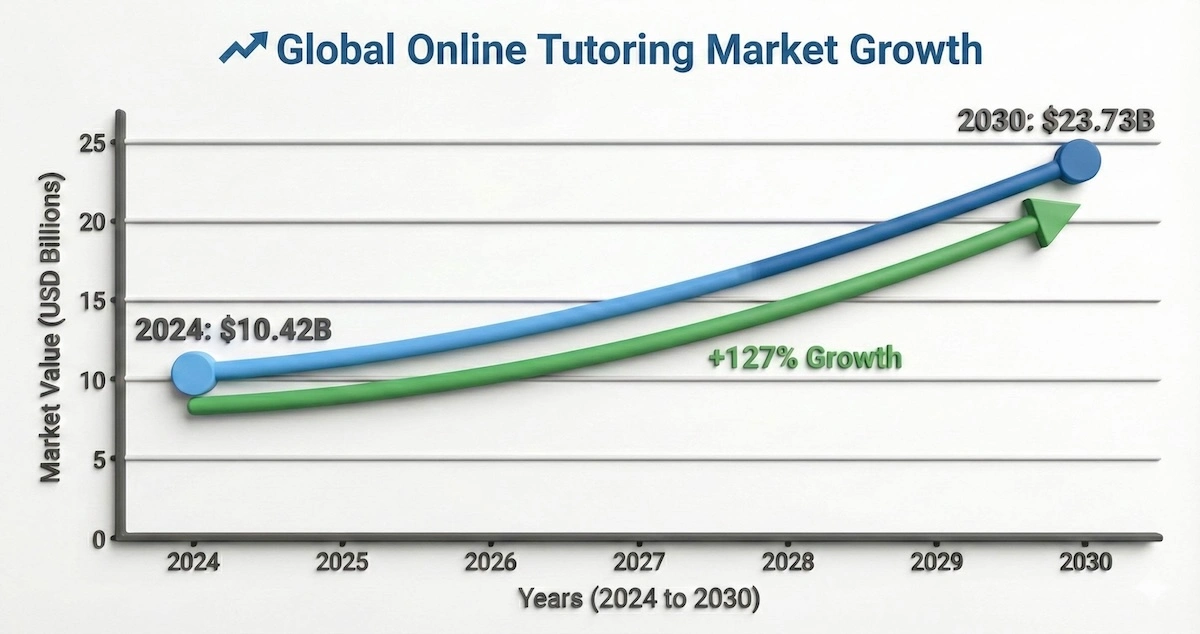
The rapid growth of the online tutoring market reflects the increasing global demand for personalized STEM education support.
This exponential growth confirms that more students than ever are turning to personalized support to secure their academic future.
Understanding the Unique Challenges of Life Sciences Education
Life Sciences present distinct educational hurdles that make specialized tutoring particularly valuable. Unlike other academic subjects, biology and related fields require students to master abstract concepts while understanding their real-world applications. The complexity extends beyond memorization to encompass critical thinking, data analysis, and scientific reasoning.
Abstract Concepts Made Concrete
Molecular processes, genetic mechanisms, and cellular functions operate at scales impossible to observe directly. A skilled Life Sciences tutor bridges this gap by using analogies, visual aids, and interactive demonstrations that transform abstract theories into comprehensible concepts. This personalized approach proves especially beneficial for students who struggle with traditional textbook explanations.
Interdisciplinary Integration
Modern Life Sciences education increasingly requires integration across multiple disciplines—chemistry, physics, mathematics, and even computer science. Students often find themselves struggling not just with biological concepts, but with the mathematical calculations required for genetics problems or the chemical principles underlying biochemical pathways. Life Sciences tutoring online platforms can connect students with specialists who understand these interdisciplinary connections.
Why exactly is this subject so challenging? It sits at the complex intersection of three distinct scientific fields, as illustrated below.
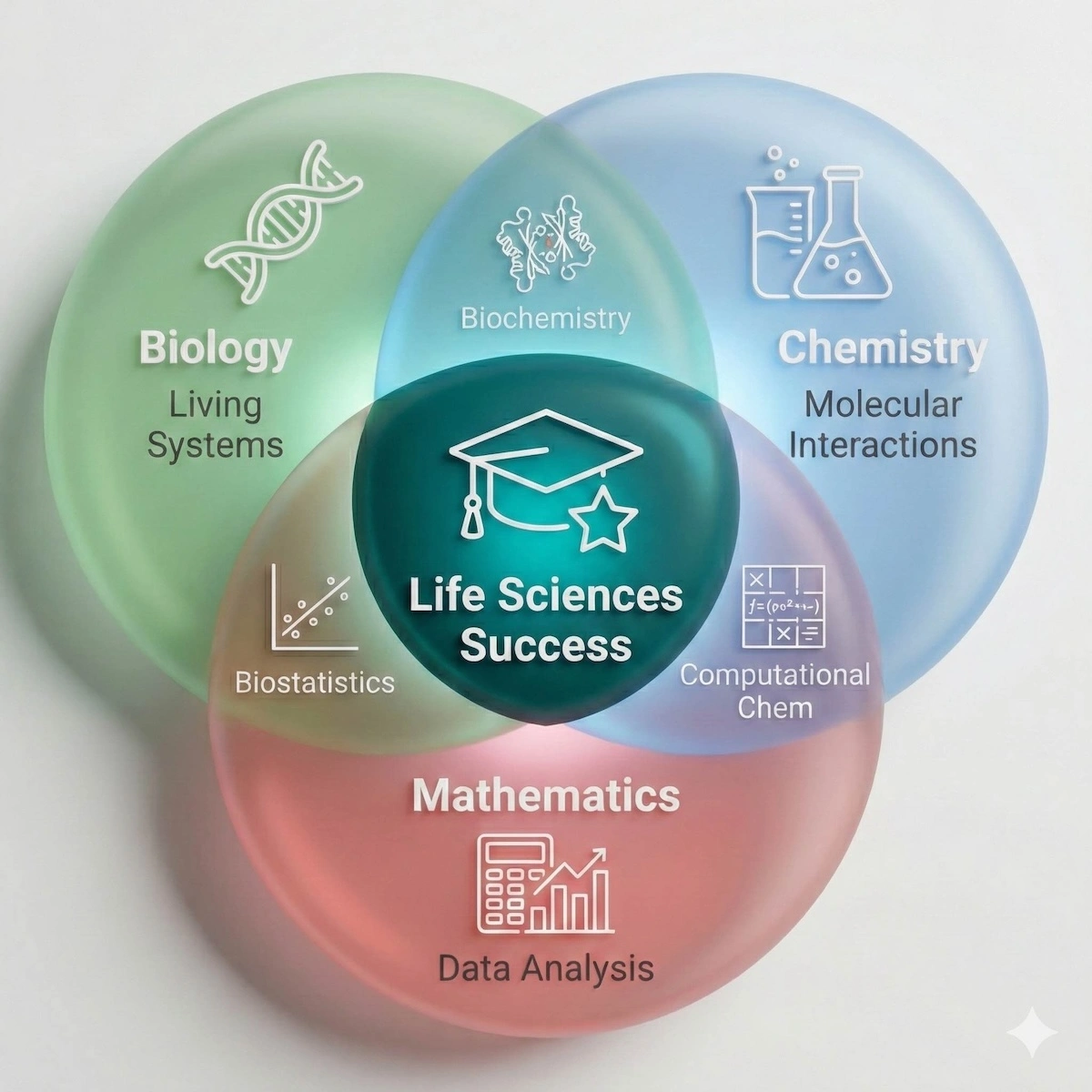
Mastering Life Sciences requires integrating knowledge from biology, chemistry, and mathematics—a challenge expert tutors help navigate.
A specialized tutor helps you navigate this critical overlap, ensuring you don’t just memorize biology but truly understand the chemistry and math driving it.
Research from the Royal Society’s Science Education Tracker indicates that student interest in biology has declined from 74% to 71% among years 10-13 between 2019 and 2023. This trend highlights the urgent need for engaging, personalized instruction that can reignite student enthusiasm for these crucial subjects.
The Proven Benefits of Life Sciences Tutoring
Educational research consistently demonstrates the effectiveness of targeted tutoring in Life Sciences subjects. A comprehensive analysis of peer tutoring programs revealed that struggling students who participated in regular tutoring sessions not only improved their exam performance but also developed more positive attitudes toward biology as a field of study.
Academic Performance Enhancement
Students utilizing Life Sciences homework help services show measurable improvements across multiple metrics. Data from university studies indicate that tutored students achieve approximately 1% higher scores per tutoring session, with benefits accumulating over time. More importantly, these improvements often translate into higher course completion rates and increased persistence in STEM fields.
The effectiveness proves particularly pronounced for students from underrepresented backgrounds. Research published in educational journals shows that active learning approaches, including tutoring, reduce achievement gaps by approximately 33%, offering disproportionate benefits to students who might otherwise struggle in traditional classroom settings.
But does this investment actually pay off? The data on student outcomes paints a clear picture of the tangible impact personalized instruction provides.
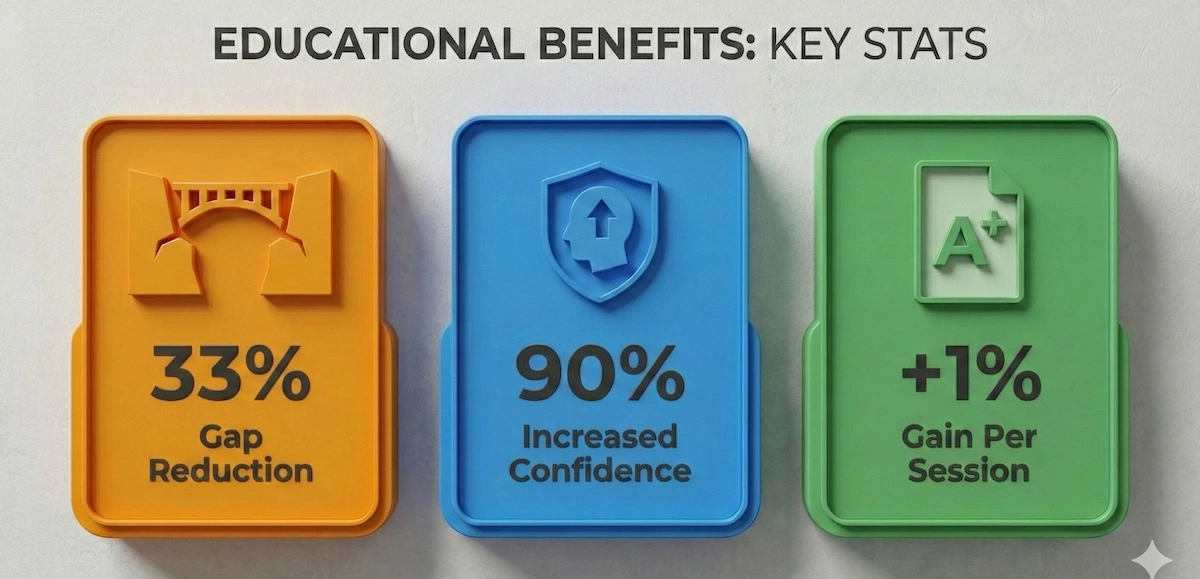
Research confirms that personalized tutoring significantly boosts academic performance, confidence, and long-term retention in STEM subjects.
These numbers highlight that the right support doesn’t just improve grades—it fundamentally changes how students perceive their own potential.
Confidence and Self-Efficacy Development
Beyond grade improvements, Life Sciences tutoring significantly impacts student confidence. When complex topics like protein synthesis or ecosystem dynamics become manageable through personalized explanation, students develop the self-efficacy necessary for independent learning. This psychological benefit often proves as valuable as the academic gains themselves.
Tutoring satisfaction surveys consistently show that over 90% of participants report increased confidence in their schoolwork, with similar percentages noting improved grades. These psychological benefits create positive feedback loops that enhance long-term academic success.
Choosing the Right Life Sciences Tutor: Essential Considerations
Selecting an effective Life Sciences tutor requires careful consideration of multiple factors. The ideal tutor combines subject expertise with pedagogical skills and the ability to adapt teaching methods to individual learning styles.
Subject Matter Expertise
Look for tutors with advanced degrees in biological sciences or related fields. Many successful Life Sciences tutoring online platforms employ individuals with master’s or doctoral degrees, ensuring deep understanding of complex topics. Additionally, tutors with research experience can provide valuable insights into real-world applications of theoretical concepts.
Teaching Philosophy and Methods
Effective Life Sciences tutors employ active learning strategies that engage students in the material rather than relying on passive information transfer. This might include interactive problem-solving sessions, virtual laboratory experiences, or collaborative exploration of scientific literature. The best tutors adapt their approach based on individual student needs and learning preferences.
Finding the perfect match requires a systematic approach rather than a random search. Use this three-step vetting process to filter for quality.
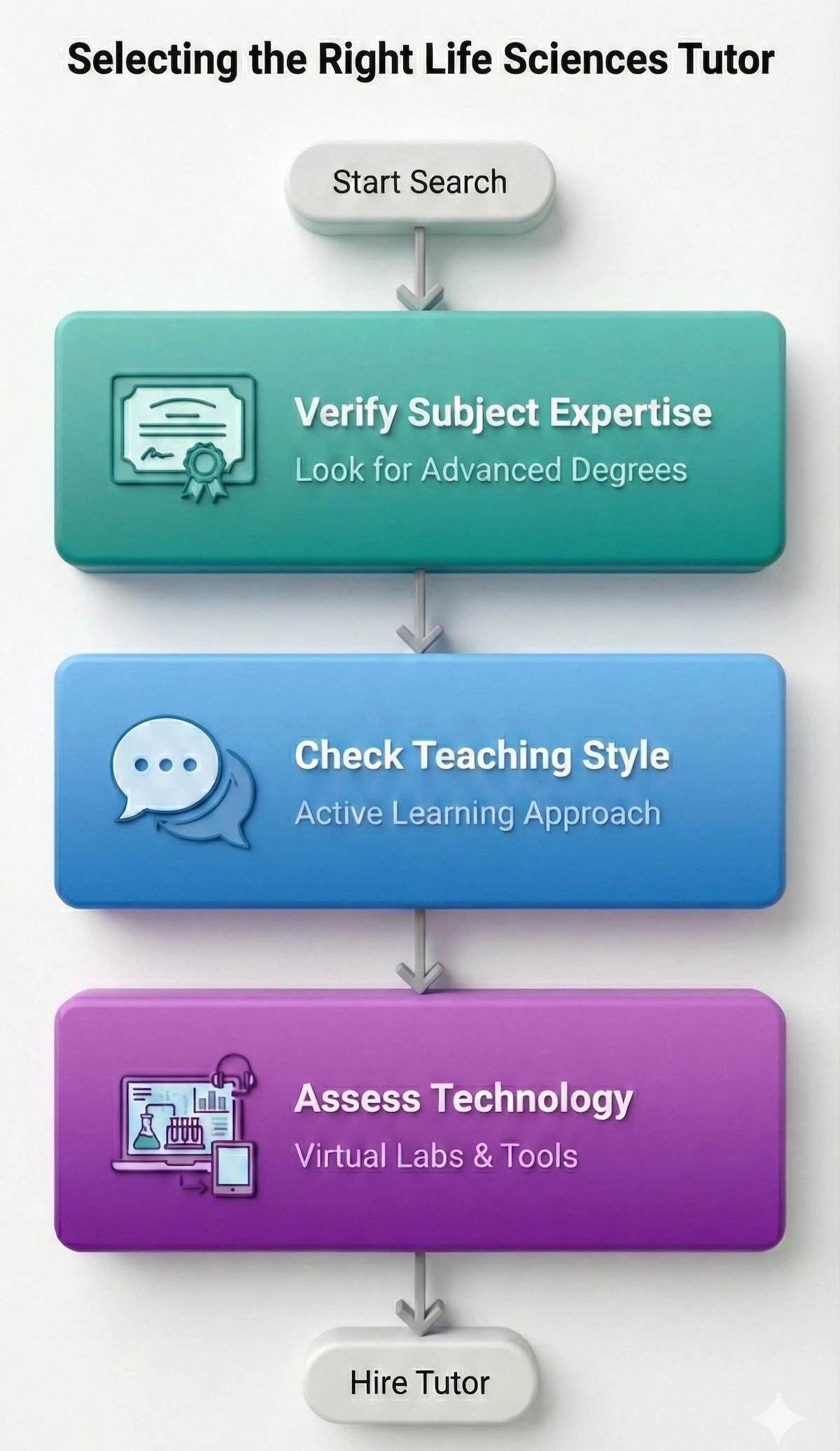
Follow this systematic approach to ensure you select a tutor who matches your specific academic needs and learning style.
By following this filter, you ensure your tutor possesses both the academic knowledge and the digital tools necessary to teach effectively online.
Technology Integration
Modern Life Sciences hw help increasingly relies on sophisticated technological tools. Quality tutoring services utilize interactive whiteboards, molecular modeling software, virtual microscopy, and other digital resources that enhance understanding of complex biological processes. These tools prove particularly valuable in online tutoring environments.
The Online Tutoring Advantage in Life Sciences
The shift toward Life Sciences tutoring online has created unprecedented opportunities for personalized education. Digital platforms overcome traditional barriers of geography and scheduling while providing access to specialized expertise that might not be available locally.
Flexibility and Accessibility
Online tutoring platforms offer scheduling flexibility that accommodates busy student lives. Whether preparing for upcoming exams or seeking ongoing Life Sciences assignment help, students can access expert guidance when they need it most. This accessibility proves particularly valuable for students in rural areas or those with transportation limitations.
Specialized Expertise
Digital platforms can connect students with tutors who specialize in specific Life Sciences subdisciplines. Whether a student struggles with genetics, needs help with ecology concepts, or requires support in biochemistry, online services can match them with precisely the right expertise.
The global nature of online tutoring also provides exposure to different educational approaches and perspectives, enriching the learning experience beyond what traditional local tutoring might offer.
Regional Considerations: USA, UK, and Gulf Countries
Different educational systems present unique opportunities and challenges for Life Sciences students, making region-specific tutoring approaches particularly valuable.
United States Context
American students often encounter Life Sciences through Advanced Placement (AP) Biology courses, which require mastery of college-level content. The rigorous curriculum covering molecular biology, genetics, evolution, and ecology demands comprehensive understanding that benefits significantly from personalized tutoring support. With college admissions increasingly competitive, strong performance in these subjects becomes crucial for accessing top-tier universities.
United Kingdom Perspective
UK students pursuing A-Level Biology face intensive examinations that require both theoretical knowledge and practical application skills. The modular structure of these qualifications allows for targeted Life Sciences tutoring focused on specific areas of weakness. Additionally, the emphasis on practical skills assessment makes hands-on tutoring approaches particularly valuable.
Gulf Countries Opportunities
Educational systems in Gulf countries increasingly emphasize STEM subjects as part of national development strategies. Students in these regions often benefit from Life Sciences tutor online services that can supplement local instruction with international perspectives and methodologies. The growing biotechnology and healthcare sectors in these countries create strong career incentives for Life Sciences excellence.
Maximizing Your Life Sciences Tutoring Investment
Success in Life Sciences tutoring requires active engagement from both students and parents. Understanding how to optimize the tutoring experience ensures maximum return on educational investment.
Setting Clear Objectives
Begin each tutoring relationship by establishing specific, measurable goals. Whether the objective is improving grades in a particular course, preparing for standardized tests, or building foundational knowledge for future studies, clear objectives help tutors tailor their approach effectively.
Active Participation
The most successful students approach tutoring as an interactive experience rather than passive instruction. Come prepared with specific questions, completed assignments, and areas of confusion. This preparation allows tutors to address individual needs more effectively than generic review sessions.
Consistent Engagement
Research demonstrates that regular tutoring sessions produce better outcomes than sporadic intensive sessions. Consistent engagement allows for progressive skill building and provides opportunities to address emerging questions as they arise in coursework.
Once you have hired a tutor, your role isn’t finished. You can maximize your results by adhering to this continuous success cycle.
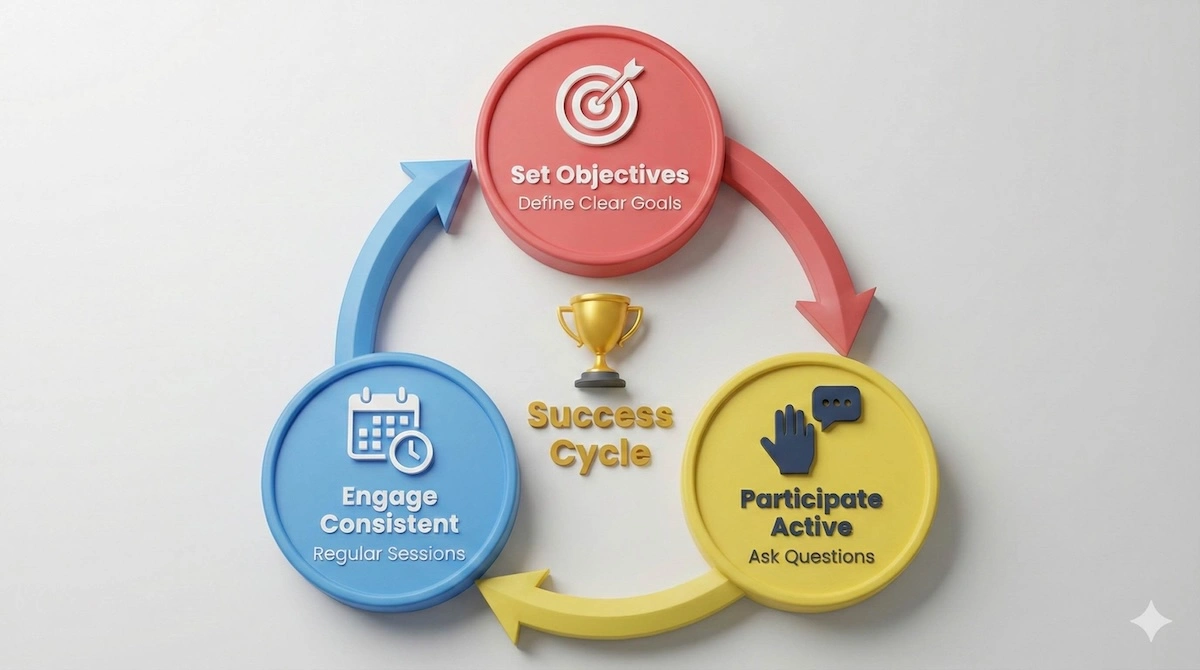
To get the best return on your educational investment, treat tutoring as an active, goal-oriented partnership.
Keeping this cycle in motion ensures that every dollar spent on tutoring translates directly into measurable academic progress.
Future Trends in Life Sciences Education and Tutoring
The field of Life Sciences tutoring continues evolving with technological advances and changing educational needs. Understanding these trends helps students and parents make informed decisions about tutoring investments.
Artificial Intelligence Integration
AI-powered tutoring platforms increasingly offer personalized learning experiences that adapt to individual student progress. These systems can identify knowledge gaps, suggest targeted practice problems, and provide immediate feedback on student work. While not replacing human tutors, these tools enhance the effectiveness of Life Sciences teaching approaches.
Virtual Reality Applications
Emerging VR technologies enable students to explore cellular structures, observe molecular interactions, and conduct virtual experiments that would be impossible in traditional classroom settings. Forward-thinking tutoring services are beginning to incorporate these immersive technologies into their instructional approaches.
Career-Connected Learning
Modern Life Sciences tutoring increasingly connects academic content with career applications. Students learn not just theoretical concepts but understand how their knowledge applies to careers in biotechnology, healthcare, environmental science, and research. This career-connected approach increases motivation and provides context for abstract concepts.
Conclusion: Investing in Life Sciences Success
The decision to hire a Life Sciences tutor represents an investment in academic success and future career opportunities. With the global biotechnology market projected to reach $3.8 trillion by 2030, strong foundational knowledge in Life Sciences becomes increasingly valuable for students pursuing STEM careers.
Quality tutoring addresses the unique challenges of Life Sciences education while providing personalized support that traditional classroom instruction cannot match. Whether through improved grades, increased confidence, or enhanced career preparation, the benefits of targeted tutoring extend far beyond immediate academic needs.
As educational demands continue increasing and competition for university admissions intensifies, Life Sciences tutoring provides the individualized support that can make the difference between academic struggle and success. The key lies in choosing the right tutoring approach that matches individual learning needs, educational goals, and career aspirations.
Frequently Asked Questions
Q1 How often should students engage in Life Sciences tutoring sessions?
Most students benefit from 1-2 sessions per week, with frequency adjusted based on individual needs and academic goals.
Q2 What qualifications should I look for when choosing a Life Sciences tutor?
Seek tutors with advanced degrees in biological sciences, teaching experience, and familiarity with your specific curriculum requirements.
Q3 Can online Life Sciences tutoring be as effective as in-person instruction?
Research shows online tutoring can be equally effective when utilizing appropriate technology and interactive teaching methods.
Q4 How much improvement can students expect from regular Life Sciences tutoring?
Studies indicate students typically see 1% improvement per tutoring session, with cumulative benefits over time.
Q5 What’s the typical cost range for quality Life Sciences tutoring services?
Professional tutoring services generally range from $20-40 per hour, varying by complexity and instructor qualifications.
Q6 How do I know if my child would benefit from Life Sciences tutoring?
Students struggling with grades, lacking confidence, or needing enhanced preparation for advanced courses typically benefit significantly from targeted tutoring support.
Related Subjects
Angular
API (Application Programming Interface)
API Integration
Bootstrap
CSS
Figma
Graphic Design
GraphQL
HTML
Image Editing
Inkscape
Jira
LaTeX Writing
npm (Node Package Manager)
Photoshop
Responsive Design
REST API
Sass (Syntactically Awesome Style Sheets)
TypeScript
UX/UI Design
Web Accessibility
Web Hosting
Yarn (software)
******************************
This article provides general educational guidance only. It is NOT official exam policy, professional academic advice, or guaranteed results. Always verify information with your school, official exam boards (College Board, Cambridge, IB), or qualified professionals before making decisions. Read Full Policies & Disclaimer , Contact Us To Report An Error