~1 min
Average Reply Time
~1 hour
To Be Matched With A Tutor
1 Trial
75% Find Their Tutor On The 1st Trial
$1
Your First 30 Minutes
Hire The Best SACE Music Performance — Solo Tutor
Top Tutors, Top Grades. Without The Stress!
Related Subjects
Your solo recital is in six weeks and you still can’t hold tone through the exposed passages. That’s exactly where MEB starts.
SACE Music Performance — Solo Tutor Online
SACE Music Performance — Solo is a South Australian Certificate of Education subject in which students prepare and perform a solo recital program, developing technical proficiency, musical interpretation, and performance confidence assessed against SACE criteria.
If you’ve searched for a SACE Music Performance — Solo tutor near me, MEB offers 1:1 online tutoring matched to your instrument, your chosen repertoire, and your exact SACE performance brief. Our SACE tutors work with students across Australia and internationally — covering every strand of the subject from technical refinement to folio documentation. One focused tutor. One student. Every session built around what your examiner will actually hear.
- 1:1 online sessions tailored to your SACE solo performance program
- Expert-verified tutors with instrument-specific and music pedagogy backgrounds
- Flexible time zones — Australia, US, UK, Canada, Gulf
- Structured session plan built after an initial diagnostic listen
- Guided folio and reflection support — you write and submit your own documentation
52,000+ students across Australia, the US, UK, Canada, and the Gulf have used MEB since 2008 — including students in SACE Music subjects like Music Performance — Solo, Music Performance Ensemble, and Music Explorations.
Source: My Engineering Buddy, 2008–2025.
How Much Does a SACE Music Performance — Solo Tutor Cost?
Most SACE Music Performance — Solo sessions run at $20–$35/hr. Tutors with conservatoire-level performance backgrounds or specialist instrument expertise may charge up to $70/hr. Start with the $1 trial — 30 minutes live with your tutor, working directly on your repertoire or performance notes.
| Level / Need | Typical Rate | What’s Included |
|---|---|---|
| Standard (most SACE students) | $20–$35/hr | 1:1 sessions, repertoire coaching, folio guidance |
| Advanced / Specialist Instrument | $35–$70/hr | Conservatoire-level tutor, niche repertoire depth |
| $1 Trial | $1 flat | 30 min live session on your repertoire |
Tutor availability tightens significantly in the weeks before SACE performance examinations. Book early if your performance date is within eight weeks.
WhatsApp MEB for a quick quote — average response time under 1 minute.
Who This SACE Music Performance — Solo Tutoring Is For
This isn’t a general music lesson. It’s targeted support for students working toward their SACE solo performance examination — students who need their playing to hold up under assessment conditions, not just in the practice room.
- Students whose technical execution breaks down under pressure in exposed solo passages
- Students with a conditional university or conservatoire offer depending on their SACE score
- Students 4–6 weeks from their performance exam with significant gaps still to close
- Parents watching a child’s confidence drop alongside their grades as the performance date approaches
- Students who need help structuring their folio and reflection documentation
- Students moving on to conservatoires including the Australian Institute of Music, Elder Conservatorium, Queensland Conservatorium, Sydney Conservatorium of Music, or VCA — and needing the strongest possible SACE foundation
At MEB, we’ve found that the students who struggle most in SACE Music Performance — Solo aren’t the ones with the least talent — they’re the ones who’ve been practising the wrong things, in the wrong order, without anyone listening critically. One tutor who actually knows your instrument changes that faster than another six weeks of solo practice.
1:1 Tutoring vs Self-Study vs AI vs YouTube vs Online Courses
Self-study works if you’re disciplined — but no one is correcting your bow arm or your breath support. AI tools can explain music theory concepts quickly but cannot hear you play. YouTube is useful for watching interpretations, but it stops the moment you need feedback on your specific phrasing decision. Online courses give structure at a fixed pace with no adjustment for your instrument or your weak spots. 1:1 tutoring with MEB is live, instrument-specific, and calibrated to your exact SACE solo program — the tutor hears what your examiner will hear and corrects it before your assessment date.
Outcomes: What You’ll Be Able To Do in SACE Music Performance — Solo
After working with an MEB SACE Music Performance — Solo tutor, students can execute technically demanding passages in their chosen repertoire with consistent accuracy under performance conditions. You’ll be able to apply stylistically appropriate interpretation to your pieces — understanding period conventions, dynamic shaping, and the expressive intent your examiner expects. You’ll be able to explain your repertoire choices and musical decisions clearly in your folio documentation. You’ll be able to present a coherent solo program that demonstrates range and musical maturity across contrasting works. And you’ll be able to manage performance anxiety through structured run-throughs and feedback cycles that simulate the examination environment.
Supporting a student through SACE Music Performance — Solo? MEB works directly with parents to set up sessions, track progress, and keep the performance program on schedule. WhatsApp MEB — average response time is under a minute, 24/7.
Based on feedback from 40,000+ sessions collected by MEB from 2022 to 2025, 58% of students improved by one full grade after approximately 20 hours of 1:1 tutoring in subjects like SACE Music Performance — Solo. A further 23% achieved at least a half-grade improvement.
Source: MEB session feedback data, 2022–2025.
What We Cover in SACE Music Performance — Solo (Syllabus / Topics)

Track 1: Technical Proficiency and Repertoire Preparation
- Scales, arpeggios, and technical exercises specific to your instrument
- Intonation and tone production across the full dynamic range
- Articulation, bowing, breath control, or fingering depending on instrument
- Sight-reading practice aligned to SACE performance level expectations
- Memorisation strategies and performance-under-pressure techniques
- Selecting and pacing a contrasting solo program within SACE time requirements
Recommended resources: AMEB practical syllabi for your instrument, SACE Music Performance subject outline (SACE Board of South Australia), and instrument-specific etude collections relevant to your level.
Track 2: Musical Interpretation and Stylistic Awareness
- Historical and stylistic context for repertoire from Baroque through to contemporary
- Phrasing, dynamics, and expressive shaping within each piece
- Comparing interpretive choices across recordings and editions
- Understanding examiner marking criteria for musicality and expression
- Applying period-appropriate ornamentation and articulation conventions
- Structuring a program that demonstrates musical contrast and range
Recommended resources: Grove Music Online (for style context), published score editions with critical markings, and recordings by leading soloists in your repertoire period.
Track 3: Folio, Documentation, and Performance Context
- Writing your program notes and repertoire rationale for the SACE folio
- Reflection on practice processes and performance development over time
- Documenting technical and interpretive decisions in student-authored language
- Understanding SACE assessment criteria for the folio component
- Managing deadlines for folio submission alongside performance preparation
Recommended resources: SACE Music Performance subject outline, past student folio exemplars (where available through school), and the Australian Curriculum, Assessment and Reporting Authority for curriculum context.
| Assessment Component | Description | Typical Weighting |
|---|---|---|
| Solo Performance (School Assessment) | In-school recital assessed by teacher | ~30% |
| Folio | Documentation of repertoire choices and practice development | ~30% |
| External Solo Performance | Recital assessed by external SACE examiners | ~40% |
Weightings are indicative. Check the current SACE Music Performance subject outline for confirmed assessment design.
What a Typical SACE Music Performance — Solo Session Looks Like
The tutor opens by checking what happened since the last session — specifically whether the phrasing issue in the slow movement of your primary piece has shifted. You play through the relevant passage while the tutor listens. They note where the tone drops on the upper register and where the rubato feels mechanical. Then you work through the same eight bars again, this time with the tutor demonstrating the target sound and walking you through the micro-adjustments. You replicate it. The tutor gives immediate feedback on what changed and what didn’t. In the second half, you move to your contrasting piece — the tutor is checking stylistic consistency and flagging anything that would cost marks against the SACE interpretation criteria. The session closes with a concrete task: three focused practice repetitions of the transition in your second piece, with a specific technical instruction to follow. Next session’s opening topic is already decided.
How MEB Tutors Help You with SACE Music Performance — Solo (The Learning Loop)
Diagnose: In the first session, the tutor listens to you perform your current repertoire — not just for accuracy, but for what the SACE criteria will flag. Technical instability in exposed passages, stylistic misalignment, or a folio that doesn’t reflect genuine musical thinking are all identified early.
Explain: The tutor works through the issue live — using a digital pen-pad or shared screen to annotate your score, demonstrate the target phrase shape, or walk through the interpretive logic of a marking rubric. Nothing is abstract.
Practice: You play or sing with the tutor present. They stop you at the right moment — not constantly, but precisely. You repeat the section and apply the correction in real time.
Feedback: Step-by-step error correction after each run-through. The tutor explains which aspects of the SACE performance criteria were met and which weren’t — and why those specific bars will cost marks if left unchanged.
Plan: Each session ends with a named task and a named next topic. You know exactly what to practise, in what order, and what the tutor will check at the start of the following session. No guessing about what to do between lessons.
Sessions run on Google Meet. The tutor uses a digital pen-pad or iPad with Apple Pencil to annotate scores in real time. Before your first session, have your score, your current recording (even a phone recording works), and your SACE performance brief ready to share. The first session is always a diagnostic — what you can do now, what the examiner will assess, and the exact sequence of work needed to close the gap. Start with the $1 trial — 30 minutes of live tutoring that also serves as your first diagnostic listen.
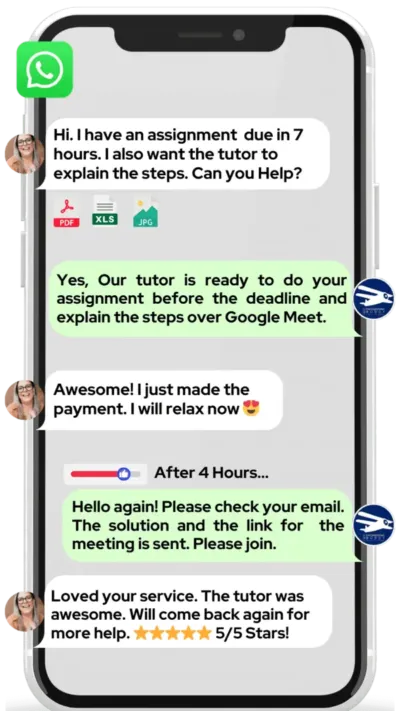
Try your first session for $1 — 30 minutes of live 1:1 tutoring or one homework question explained in full. No registration. No commitment. WhatsApp MEB now and get matched within the hour.
Tutor Match Criteria (How We Pick Your Tutor)
Not every music tutor can coach a SACE solo performance student. Here’s what MEB checks before making a match.
Subject depth: The tutor must know your instrument and your SACE performance level — not just music theory in general. Tutors are matched to the specific syllabus strand and examination format.
Tools: Every session runs on Google Meet with a digital pen-pad or iPad and Apple Pencil for score annotation. No exceptions.
Time zone: Matched to your region — Australia-based students get tutors available during Australian evening hours. US, UK, Gulf, and Canadian students are matched to tutors working their time zones.
Goals: Whether you’re chasing a top SACE band, stabilising a shaky external performance, or working through folio documentation, the tutor is selected for your specific goal — not assigned at random.
Unlike platforms where you fill out a form and wait, MEB responds in under a minute, 24/7. Tutor match takes under an hour. The $1 trial means you test before you commit. Everything runs over WhatsApp — no logins, no intake forms.
Study Plans (Pick One That Matches Your Goal)
Your tutor maps the exact session sequence after the diagnostic — but here’s how most SACE Music Performance — Solo students work with MEB. Catch-up (1–3 weeks): intensive focus on the two or three performance issues most likely to cost marks, plus urgent folio documentation support. Exam prep (4–8 weeks): structured repertoire refinement across all pieces, interpretation work, and at least two full mock run-throughs with examiner-style feedback. Weekly support: ongoing sessions aligned to your school’s internal assessment schedule and the external performance date, with folio check-ins built in. The tutor builds your specific sequence after session one.
Students who bring a recent recording to their first MEB session — even a rough phone recording — get targeted feedback within the first 10 minutes. Your examiner will hear exactly what your tutor hears. Start there.
Source: My Engineering Buddy, internal session guidance, 2024.
Students consistently tell us that the hardest part of SACE Music Performance — Solo isn’t the playing — it’s knowing which specific things to fix in the time they have left. That’s the gap the first diagnostic session closes. Every minute after that is targeted.
Pricing Guide
SACE Music Performance — Solo tutoring runs at USD $20–$40/hr for most students. Tutors with conservatoire performance degrees or specialist instrument backgrounds — particularly for less common instruments — are available at higher rates, up to $100/hr.
Rate factors: instrument, repertoire complexity, folio support requirements, how close you are to your examination date, and tutor availability at your time zone.
Availability drops sharply in the six weeks before SACE external performance examinations. If your date is within that window, book your first session today rather than next week.
For students targeting places at the Elder Conservatorium, Sydney Conservatorium of Music, or Queensland Conservatorium, tutors with professional performance and teaching backgrounds are available at higher rates — share your specific goal and MEB will match the tier to your ambition.
Start with the $1 trial — 30 minutes, no registration, no commitment. WhatsApp MEB for a quick quote.
FAQ
Is SACE Music Performance — Solo hard?
It’s demanding because assessment is live. Technical accuracy, musical interpretation, and stylistic coherence all have to come together under examination conditions. Most students find the folio documentation adds pressure alongside the performance preparation.
How many sessions are needed?
Students with 6–8 weeks before their external performance typically need 8–12 sessions. Those within 2–3 weeks of the exam focus on targeted run-throughs and specific error correction — 4–6 intensive sessions can make a measurable difference.
Can you help with homework and assignments?
MEB tutoring is guided learning — you understand the work, then submit it yourself. For folio entries, program notes, and reflection tasks, tutors guide your thinking and help you find the right language. See our Academic Integrity policy and Why MEB page for full details on what we help with and what we don’t.
Will the tutor match my exact syllabus or exam board?
Yes. Tutors are matched to the SACE Music Performance — Solo subject outline specifically, including your instrument, your chosen repertoire, and your school’s internal assessment timeline alongside the external examination requirements.
What happens in the first session?
The tutor listens to you perform your current repertoire — ideally all or most of your program. They identify the two or three highest-priority issues against SACE criteria and map the session sequence from there. It functions as a diagnostic and a first lesson simultaneously.
Is online tutoring as effective as in-person for a performance subject?
For technique refinement, score annotation, interpretation coaching, and folio guidance — yes. The tutor hears you clearly via Google Meet. The limitation is physical instrument handling, which tutors work around through precise verbal and visual instruction. Most students report the feedback quality matches or exceeds their school lessons.
Can I get SACE Music Performance — Solo help at short notice — even the night before a performance?
MEB operates 24/7. If a tutor with your instrument and SACE knowledge is available, you can be matched and in a session within the hour. WhatsApp is the fastest route — response time is typically under a minute.
What if I’m performing a less common instrument — bassoon, double bass, harpsichord?
MEB covers a wide range of instruments. Less common instruments may take slightly longer to match — typically a few hours rather than under one hour. Share your instrument via WhatsApp and MEB will confirm availability before you commit to anything.
Do you support the folio and documentation component, or only the performance?
Both. Tutors support your full SACE Music Performance — Solo submission — repertoire coaching, interpretation development, mock run-throughs, and guided support for your folio documentation including program notes and practice reflection entries.
How do I find a SACE Music Performance — Solo tutor in my city?
All MEB sessions are online, so location doesn’t matter. Students in Adelaide, Sydney, Melbourne, Brisbane, Perth, and internationally all access the same tutor pool. You’re matched by instrument, level, and time zone — not geography.
How do I get started?
WhatsApp MEB, share your instrument, your repertoire, and your performance date. MEB matches you with a verified tutor — usually within the hour. Your first session is the $1 trial: 30 minutes live, starting with a diagnostic listen to your current program.
Does it matter which school or music centre I’m enrolled at?
No. MEB works with SACE students from any South Australian school or approved learning centre. The tutor works from the official SACE Music Performance — Solo subject outline, which is the same regardless of your school.
Trust & Quality at My Engineering Buddy
Every MEB tutor goes through subject-specific screening before they work with a student. For SACE Music Performance — Solo, that means instrument-level assessment, familiarity with the SACE performance criteria, and a live demo evaluation. Tutors hold performance degrees, conservatoire qualifications, or documented professional teaching experience in their instrument. Ongoing session feedback determines whether tutors continue on the platform. Rated 4.8/5 across 40,000+ verified reviews on Google.
MEB tutoring is guided learning — you understand the work, then submit it yourself. For full details on what we help with and what we don’t, read our Academic Integrity policy and Why MEB.
MEB has served 52,000+ students across the US, UK, Canada, Australia, Gulf, and Europe since 2008, covering 2,800+ subjects. Within the SACE suite, that includes students in SACE Music tutoring, students needing SACE Music Studies help, and students across a wide range of SACE Creative Arts subjects. The platform is built on one principle: the right tutor for your exact subject, your exact level, and your exact timeline.
Explore Related Subjects
Students studying SACE Music Performance — Solo often also need support in:
Next Steps
Share your instrument, your chosen repertoire, your hardest performance challenge right now, and your examination date. Share your availability and time zone. MEB matches you with a verified SACE Music Performance — Solo tutor — usually within 24 hours, often within the hour.
Before your first session, have ready:
- Your SACE Music Performance — Solo subject outline and current repertoire list
- A recent recording of your program (phone quality is fine)
- Your internal and external performance dates
The tutor handles the rest. First session starts with a full diagnostic listen so every minute of your remaining preparation time is used well.
Visit www.myengineeringbuddy.com for more on how MEB works.
WhatsApp to get started or email [email protected].
52,000+ Happy Students From Various Universities



Reviewed by Subject Expert
This page has been carefully reviewed and validated by our subject expert to ensure accuracy and relevance.