Hire Verified & Experienced
Cryptocurrency Tutors
4.8/5 40K+ session ratings collected on the MEB platform



Hire The Best Cryptocurrency Tutor
Top Tutors, Top Grades. Without The Stress!

52,000+ Happy Students From Various Universities



How Much For Private 1:1 Tutoring & Hw Help?
Private 1:1 Tutoring and HW help Cost $20 – 35 per hour* on average.
Most students who struggle with Cryptocurrency aren’t confused about Bitcoin — they’re lost in consensus mechanisms, tokenomics, or DeFi protocol design, and no textbook explains it clearly enough.
Cryptocurrency Tutor Online
Cryptocurrency refers to decentralised digital assets secured by cryptographic protocols on distributed ledger networks. Covering blockchain architecture, tokenomics, DeFi, and consensus mechanisms, it equips students to analyse digital asset markets and protocol design.
MEB provides Finance tutoring and homework help across 2,800+ advanced subjects — including 1:1 online Cryptocurrency tutoring tailored to your exact course or module. Whether you’re searching for a Cryptocurrency tutor near me or need remote help at short notice, MEB matches you with a verified expert, typically within the hour. Sessions are live, responsive, and built around your actual syllabus — not a generic overview. One outcome you can reasonably expect: clearer conceptual grip on the topics your coursework actually tests.
- 1:1 online sessions tailored to your course or university module
- Expert-verified tutors with subject-specific knowledge in blockchain, DeFi, and digital asset markets
- Flexible time zones — US, UK, Canada, Australia, Gulf
- Structured learning plan built after a diagnostic session
- Ethical homework and assignment guidance — you understand before you submit
52,000+ students across the US, UK, Canada, Australia, and the Gulf have used MEB since 2008 — including students in Finance subjects like Cryptocurrency, FinTech, and Smart Contracts.
Source: My Engineering Buddy, 2008–2025.
How Much Does a Cryptocurrency Tutor Cost?
Most Cryptocurrency tutoring sessions run $20–$40/hr. Graduate-level or specialist topics — DeFi protocol analysis, tokenomics modelling, Layer 2 scaling — can reach up to $100/hr depending on tutor background. New students can start with the $1 trial: 30 minutes of live 1:1 tutoring or one homework question explained in full.
| Level / Need | Typical Rate | What’s Included |
|---|---|---|
| Standard (most undergrad levels) | $20–$35/hr | 1:1 sessions, homework guidance |
| Advanced / Specialist (grad, DeFi, tokenomics) | $35–$100/hr | Expert tutor, niche depth |
| $1 Trial | $1 flat | 30 min live session or 1 homework question |
Tutor availability tightens significantly around semester-end submission windows and course finals. Book early if you’re in a crunch period.
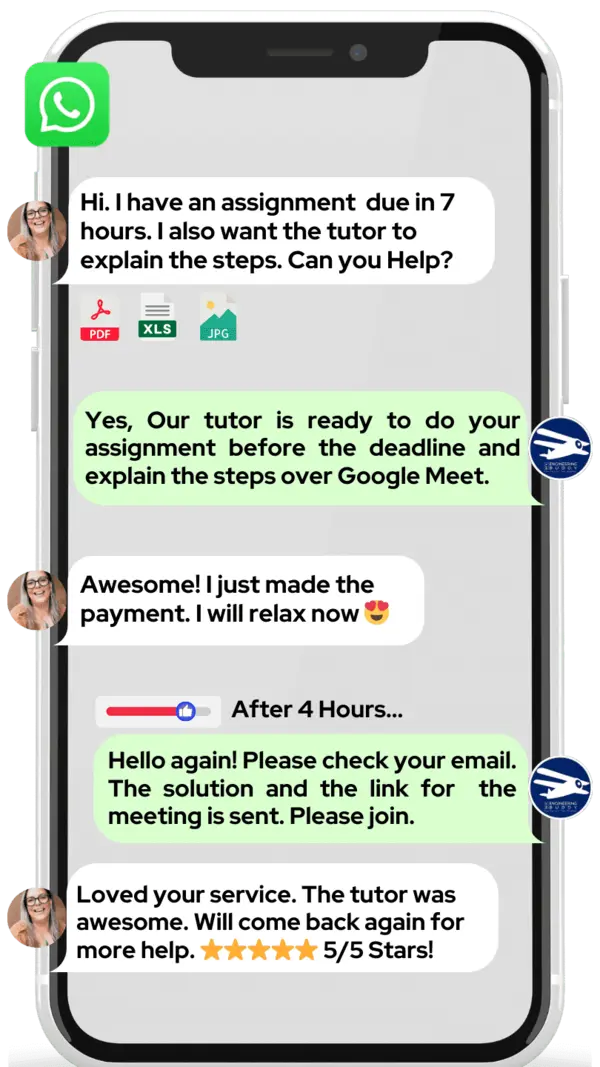
WhatsApp MEB for a quick quote — average response time under 1 minute.
Who This Cryptocurrency Tutoring Is For
This isn’t a beginner explainer course. MEB works with students who are already in a Cryptocurrency module and need targeted, expert help to get through it.
- Undergraduate and postgraduate students taking Cryptocurrency, Blockchain, or FinTech modules at US, UK, Canadian, Australian, or Gulf universities — including programmes at institutions like NYU, the University of Toronto, LSE, RMIT, and IE Business School
- Students retaking after a failed first attempt at a blockchain or digital finance assessment
- Students with a university conditional offer depending on this grade
- Students 4–6 weeks from a final exam with significant topic gaps still to close — particularly on consensus mechanisms or DeFi valuation
- Students stuck on specific coursework tasks: tokenomics analysis, smart contract logic, or regulatory framework essays
- Parents watching a child’s confidence drop alongside their grades in a technically demanding Finance elective
Not sure if this is the right level? The $1 trial doubles as a skills check — your tutor will work out exactly where you are in the first session.
1:1 Tutoring vs Self-Study vs AI vs YouTube vs Online Courses
Self-study works if you’re disciplined, but Cryptocurrency moves fast and no textbook covers the current DeFi landscape. AI tools give fast definitions but can’t adapt live or spot why your consensus mechanism analysis keeps missing marks. YouTube is good for protocol overviews and stops cold when you’re stuck on a specific assignment problem. Online courses are structured but follow a fixed pace with no room for your actual gaps. 1:1 tutoring with MEB is live, calibrated to your exact module, and corrects errors in the moment — whether the problem is your understanding of Merkle trees or your approach to a tokenomics valuation question.
Outcomes: What You’ll Be Able To Do in Cryptocurrency
After working with an MEB Cryptocurrency tutor, you’ll be able to explain how Proof of Work and Proof of Stake consensus mechanisms differ in both security guarantees and energy cost. You’ll analyse DeFi protocol design and identify the economic incentives built into liquidity pool structures. You’ll apply tokenomics frameworks to evaluate a new digital asset’s supply model and distribution schedule. You’ll model basic blockchain data structures — Merkle trees, hashing chains — clearly enough to apply them in exam scenarios. And you’ll write coherently on cryptocurrency regulation, covering the EU’s MiCA framework and the Prudential Regulation Authority’s approach to digital asset oversight in the UK.
Based on feedback from 40,000+ sessions collected by MEB from 2022 to 2025, 58% of students improved by one full grade after approximately 20 hours of 1:1 tutoring in subjects like Cryptocurrency. A further 23% achieved at least a half-grade improvement.
Source: MEB session feedback data, 2022–2025.
Supporting a student through Cryptocurrency? MEB works directly with parents to set up sessions, track progress, and keep coursework on schedule. WhatsApp MEB — average response time is under a minute, 24/7.
What We Cover in Cryptocurrency (Syllabus / Topics)

Blockchain Foundations & Protocol Design
- Distributed ledger technology: nodes, consensus, and chain structure
- Proof of Work vs Proof of Stake — trade-offs in security, energy, and decentralisation
- Merkle trees, hash functions, and cryptographic primitives
- Layer 1 vs Layer 2 scaling solutions — Lightning Network, rollups, state channels
- Byzantine Fault Tolerance and its relevance to network design
- Fork types: hard forks, soft forks, and their governance implications
Core texts used by tutors include Mastering Bitcoin by Andreas Antonopoulos and Bitcoin and Cryptocurrency Technologies by Narayanan et al. (Princeton).
Tokenomics, Digital Asset Markets & DeFi
- Token supply models: fixed supply, inflationary, deflationary, and elastic
- ICOs, IDOs, and token distribution mechanics
- Decentralised exchanges (DEXs), automated market makers (AMMs), and liquidity pools
- Stablecoins: fiat-backed, crypto-collateralised, and algorithmic models
- Yield farming, staking mechanics, and protocol incentive design
- NFT market structure and valuation challenges
- Market microstructure: order books, slippage, and price discovery in thin markets
Tutors reference The Defiant research archives, the Prudential Regulation Authority guidance on digital assets, and current DeFi protocol documentation for live examples.
Smart Contracts, Regulation & Institutional Adoption
- Smart contract logic — conditions, execution, and Ethereum Virtual Machine basics
- Solidity fundamentals for conceptual understanding (non-developer level)
- EU MiCA regulation: scope, obligations, and timeline
- US regulatory landscape: SEC vs CFTC jurisdiction debates, Howey test application
- Institutional crypto adoption: ETFs, custody, and on-chain settlement
- Smart contracts tutoring for students needing deeper coverage of contract architecture
Supporting references: Cryptoassets by Chris Burniske & Jack Tatar and the FinTech tutoring track for regulatory framework crossover.
At MEB, we’ve found that the students who get stuck on cryptocurrency the fastest are the ones who skipped consensus mechanics and jumped straight to DeFi. The protocol layer is the foundation — once that’s solid, everything above it clicks into place within a few sessions.
What a Typical Cryptocurrency Session Looks Like
The tutor opens by checking the previous session’s topic — often tokenomics supply models or AMM pricing math — asking you to walk through one problem before moving on. From there, you and the tutor work through the current topic on screen: for example, calculating impermanent loss in a liquidity pool, or mapping how a Proof of Stake slashing condition works. The tutor uses a digital pen-pad to draw protocol diagrams or annotate your notes in real time. You replicate the reasoning or explain the logic back in your own words. The session closes with a specific practice task — usually a past exam question or a short analysis exercise — and a clear note of what gets covered next.
How MEB Tutors Help You with Cryptocurrency (The Learning Loop)
Diagnose: In the first session, the tutor identifies where your understanding breaks down — whether that’s the cryptographic primitives underpinning blockchain security, the economic logic of token incentive structures, or how to frame a regulatory analysis answer under exam conditions.
Explain: The tutor works through live problems on Google Meet using a digital pen-pad or iPad with Apple Pencil. Abstract concepts — like how an AMM maintains price balance without an order book — get drawn out step by step, not described in general terms.
Practice: You attempt problems with the tutor present. This might be a tokenomics valuation exercise, a Merkle tree construction problem, or a structured argument on MiCA’s impact on stablecoin issuers.
Feedback: The tutor corrects errors step by step, explaining exactly where marks were lost and why the reasoning broke down — not just marking it wrong and moving on.
Plan: At the close of each session, the tutor maps the next topic, sets a targeted task, and tracks your progress against your exam or submission date.
Sessions run over Google Meet. Share your course outline, a recent assignment attempt, or a past exam paper before the first session — the tutor handles the rest. Start with the $1 trial — 30 minutes of live tutoring that also serves as your first diagnostic. Whether you need a quick catch-up before finals, structured revision over 4–8 weeks, or ongoing weekly support through the semester, the tutor maps the session plan after that first session.
Students consistently tell us that the moment Cryptocurrency clicks is rarely when they read about it — it’s when a tutor walks through a real DeFi transaction or a consensus failure case on screen and asks them to explain what just happened.
Source: MEB tutor and student feedback, 2022–2025.
Try your first session for $1 — 30 minutes of live 1:1 tutoring or one homework question explained in full. No registration. No commitment. WhatsApp MEB now and get matched within the hour.
Tutor Match Criteria (How We Pick Your Tutor)
Every Cryptocurrency tutor at MEB is matched to your specific module — not just the general topic area.
Subject depth: Tutors hold postgraduate qualifications or professional experience in Finance, FinTech, or blockchain-adjacent fields. MEB vets for syllabus-level fit — a tutor covering DeFi for a graduate programme is not the same as one covering blockchain basics for an undergrad elective.
Tools: All sessions use Google Meet with a digital pen-pad or iPad and Apple Pencil for live annotation. No slide decks and talk — working through problems in real time.
Time zone: Matched to your region. Students in the US, UK, Gulf, Canada, and Australia all get tutors who can meet at sensible hours.
Goals: Whether you need exam score improvement, conceptual depth on DeFi mechanics, help with assignment analysis, or research support for a dissertation chapter on crypto regulation, the tutor is briefed on your specific target before session one.
Unlike platforms where you fill out a form and wait, MEB responds in under a minute, 24/7. Tutor match takes under an hour. The $1 trial means you test before you commit. Everything runs over WhatsApp — no logins, no intake forms.
A common pattern our tutors observe is that Cryptocurrency students often know the vocabulary — blockchain, DeFi, staking — but haven’t built the underlying economic logic that connects these ideas. The match process is designed to find a tutor who can rebuild that foundation at the right pace for your level.
Pricing Guide
Cryptocurrency tutoring starts at $20/hr for standard undergraduate modules. Graduate-level work — dissertation support, DeFi protocol analysis, tokenomics modelling — typically runs $40–$100/hr depending on tutor background and topic complexity. Rate factors include level, technical depth, how quickly you need a match, and tutor availability.
Availability tightens during semester-end submission periods and exam windows. If you’re on a tight timeline, book sooner rather than later.
For students targeting top Finance or FinTech programmes — or preparing a dissertation-level crypto analysis — tutors with professional blockchain research or institutional digital asset backgrounds are available at higher rates. Share your specific goal and MEB will match the tier to your ambition.
Start with the $1 trial — 30 minutes, no registration, no commitment. WhatsApp MEB for a quick quote.
FAQ
Is Cryptocurrency hard?
It’s technically demanding — especially consensus mechanisms, DeFi protocol logic, and tokenomics modelling. Students with a Finance background often struggle with the cryptographic and computer science layers. Students from a tech background often struggle with the economic and regulatory analysis. A tutor bridges that gap from your starting point.
How many sessions are needed?
Most students need 6–12 sessions to get solid across the main topic areas. Students who are 4–6 weeks from an exam with specific gaps often work intensively over 8–10 sessions. The tutor maps a realistic plan after the first diagnostic.
Can you help with homework and assignments?
MEB tutoring is guided learning — you understand the work, then submit it yourself. This applies to Cryptocurrency essays, tokenomics analyses, blockchain case studies, and any graded coursework. See our Academic Integrity policy and Why MEB page for full details on what we help with and what we don’t.
Will the tutor match my exact syllabus or exam board?
Yes. Cryptocurrency is covered across university modules at multiple levels and institutions. Share your course outline, reading list, or assignment brief before the first session and the tutor aligns to it directly — not to a generic syllabus overview.
What happens in the first session?
The tutor runs a short diagnostic — usually 10–15 minutes — to locate exactly where your understanding breaks down. The remaining time goes straight into working on the highest-priority topic. You leave with a clear practice task and a plan for the next session.
Is online tutoring as effective as in-person?
For Cryptocurrency, yes — often more so. Digital pen-pad annotation on Google Meet lets the tutor draw protocol diagrams, annotate DeFi flow charts, and work through tokenomics models live on screen in ways that a whiteboard session rarely matches. No commute. No wasted time.
Can I get Cryptocurrency help at midnight?
MEB operates 24/7 across time zones. Students in the Gulf, Australia, and the US West Coast regularly book late-night or early-morning sessions. WhatsApp MEB at any hour — response time averages under a minute.
What if I don’t like my assigned tutor?
Request a replacement. MEB doesn’t lock you in. If the first match isn’t right — pace, communication style, depth of DeFi knowledge — message MEB and a different tutor is assigned, usually within the same day.
How do I get started?
Three steps: WhatsApp MEB with your subject and timeline, get matched to a verified Cryptocurrency tutor within the hour, and start your $1 trial — 30 minutes of live tutoring or one homework question explained from scratch. No forms, no waiting.
What’s the difference between Bitcoin, Ethereum, and altcoin coverage in your sessions?
MEB tutors cover all major protocols. Bitcoin sessions focus on UTXO model, mining economics, and halving cycles. Ethereum sessions cover smart contract execution, EVM mechanics, and the shift to Proof of Stake. Altcoin sessions are tailored to whatever your module requires — bring your reading list and the tutor works from it.
Can a tutor help me understand DeFi for a finance dissertation?
Yes. MEB has tutors with experience supporting postgraduate dissertations on DeFi liquidity mechanics, stablecoin design, and crypto market microstructure. Share your research question early and the tutor can help structure your analysis, not just explain concepts.
Do you cover cryptocurrency regulation for law or policy students?
MEB tutors can cover EU MiCA, the Howey test and SEC classification debates, UK FCA digital asset guidance, and comparative international frameworks. If your programme is law or public policy focused, specify this when you WhatsApp — the tutor match will reflect it.
Trust & Quality at My Engineering Buddy
Every MEB tutor goes through a structured screening process: subject-specific application review, a live demo session evaluation, and ongoing feedback monitoring from student sessions. Cryptocurrency tutors hold postgraduate qualifications in Finance, Financial Technology, Economics, or Computer Science — or bring professional experience in blockchain research, digital asset management, or regulatory advisory. Rated 4.8/5 across 40,000+ verified reviews on Google.
MEB tutoring is guided learning — you understand the work, then submit it yourself. For full details on what we help with and what we don’t, read our Academic Integrity policy and Why MEB.
MEB has been serving students since 2008 across 2,800+ subjects in the US, UK, Canada, Australia, the Gulf, and Europe. The Finance subject area — including investment management tutoring, derivatives pricing help, and quantitative finance tutoring — is one of MEB’s strongest coverage areas, with tutors matched to your specific module and level. See MEB’s tutoring methodology for how the learning loop works across advanced Finance subjects.
MEB has supported students across Finance and FinTech subjects since 2008 — building a pool of verified tutors who cover everything from portfolio management and credit risk to advanced blockchain and digital asset coursework.
Source: My Engineering Buddy, 2008–2025.
Our experience across thousands of sessions shows that Cryptocurrency students who share their actual assignment brief or past paper before session one get more out of the first hour than students who start with a general “explain blockchain to me” request. Specificity is what makes 1:1 tutoring work.
Explore Related Subjects
Students studying Cryptocurrency often also need support in:
- Alternative Investments
- Asset Management
- Financial Derivatives
- Capital Asset Pricing Model (CAPM)
- Investment Analysis
- Securities Analysis
- Forex Trading
- Futures and Options
Next Steps
Here’s what to do right now:
- Share your module name, university, and the specific topic or assignment you’re stuck on
- Share your availability and time zone
- MEB matches you with a verified Cryptocurrency tutor — usually within an hour
- First session starts with a diagnostic so every minute is used effectively
Before your first session, have ready: your course outline or reading list, a recent assignment or exam question you struggled with, and your submission or exam date. The tutor handles the rest.
Visit www.myengineeringbuddy.com for more on how MEB works.
WhatsApp to get started or email meb@myengineeringbuddy.com.
Reviewed by Subject Expert
This page has been carefully reviewed and validated by our subject expert to ensure accuracy and relevance.