




~1 min
Average Reply Time
~1 hour
To Be Matched With A Tutor
1 Trial
75% Find Their Tutor On The 1st Trial
$1
Your First 30 Minutes
Hire The Best Plant Biology Tutor
Top Tutors, Top Grades. Without The Stress!


Related Subjects
Photosynthesis diagrams, osmosis calculations, plant hormones — and you’re still losing marks on questions you’ve revised three times.
Plant Biology Tutor Online
Plant Biology is the scientific study of plant structure, function, genetics, and ecology — taught at A Level, AP, IB, and undergraduate level. A qualified Plant Biology tutor helps students understand how plants grow, reproduce, respond to their environment, and how that knowledge applies to agriculture, ecology, and medicine.
MEB connects you with a verified, specialist Plant Biology tutor near me — online, available across every major time zone, and matched to your exact course. Whether you’re working through AP Biology’s plant unit, an IB HL paper, or a first-year university module, you get 1:1 online Plant Biology tutoring built around what you don’t yet understand — not a generic syllabus walkthrough. Sessions are on Google Meet with a digital pen-pad, and you can start for $1.
- 1:1 online sessions tailored to your exact course or syllabus
- Expert verified tutors with plant science subject depth
- Flexible time zones — US, UK, Canada, Australia, Gulf
- Structured learning plan built after a diagnostic session
- Ethical homework and assignment guidance — you understand the material before you submit
52,000+ students across the US, UK, Canada, Australia, and the Gulf have used MEB since 2008 — across 2,800+ subjects, from AP Calculus to A Level Music Technology to Data Science.
Source: My Engineering Buddy, 2008–2025.
How Much Does a Plant Biology Tutor Cost?
Most Plant Biology tutoring sessions at MEB run $20–$40/hr. Advanced or graduate-level work can reach up to $100/hr depending on topic complexity and tutor specialisation. The $1 trial gets you 30 minutes of live 1:1 tutoring or one homework question explained in full — no registration required.
| Level / Need | Typical Rate | What’s Included |
|---|---|---|
| Standard (A Level, AP, IB, early undergrad) | $20–$35/hr | 1:1 sessions, homework guidance |
| Advanced / Graduate / Specialist | $35–$100/hr | Expert tutor, niche depth, research support |
| $1 Trial | $1 flat | 30 min live session or 1 homework question |
Tutor availability tightens in April–May and October–November. If your exam is within six weeks, book early.
WhatsApp MEB for a quick quote — average response time under 1 minute.
Who This Plant Biology Tutoring Is For
Plant Biology spans a wide range of levels and goals. MEB works with students who need targeted help — not another hour of re-reading the same chapter.
- A Level, IB, or AP Biology students working through plant physiology, reproduction, or genetics units
- First and second year undergraduates at universities including UC Davis, University of Edinburgh, University of Toronto, Wageningen University, University of Melbourne, and ETH Zurich
- Students whose conditional university offer depends on their Biology grade this sitting
- Graduate students working on plant molecular biology, plant ecology, or related dissertation chapters
- Students who scored below 60% on a past paper and can’t identify where the marks are going
- Parents supporting a student whose confidence in Biology has dropped alongside their mock grades
- Anyone who needs botany tutoring or plant science support alongside their main Biology course
1:1 Tutoring vs Self-Study vs AI Tools
Self-study works for motivated students — but without feedback, it’s easy to practise the wrong explanation of stomatal regulation or C4 photosynthesis for weeks without realising it. AI tools can define apical dominance in seconds, but they cannot watch you work through a hormone signalling pathway, spot where your reasoning breaks down, and correct it in real time. In Plant Biology specifically, mark-scheme language is precise — a tutor who has taught the subject knows exactly how examiners distinguish a 2-mark answer from a 4-mark one. MEB gives you the flexibility of online sessions with the structured feedback loop of genuine subject expertise, calibrated to your exact course and exam board.
Outcomes: What You’ll Be Able To Do in Plant Biology
After working with an MEB Plant Biology tutor, students can explain the full sequence of the Calvin cycle and identify where student answers typically lose marks. They apply transport mechanisms — apoplast, symplast, and transmembrane pathways — to unseen exam questions without hesitation. Students analyse how auxin, gibberellin, and cytokinin interact in coordinating plant growth responses, and write answers that match the command-term expectations for their specific exam board. They present data from plant experiment write-ups clearly, interpreting anomalous results rather than ignoring them. Progress builds on actual session work — not general study tips.
Supporting a student through Plant Biology? MEB works directly with parents to set up sessions, track progress, and keep coursework on schedule. WhatsApp MEB — average response time is under a minute, 24/7.
Based on feedback from 40,000+ sessions collected by MEB from 2022 to 2025, 58% of students improved by one full grade after approximately 20 hours of 1:1 tutoring in a single subject. A further 23% achieved at least a half-grade improvement.
Source: MEB session feedback data, 2022–2025.
What We Cover in Plant Biology (Syllabus / Topics)

Track 1: Plant Structure, Function, and Physiology
- Cell types: parenchyma, collenchyma, sclerenchyma — structure and function
- Xylem and phloem transport: cohesion-tension theory and mass flow hypothesis
- Photosynthesis: light-dependent and light-independent reactions, C3, C4, and CAM pathways
- Transpiration: stomatal regulation, environmental factors, and experimental methods
- Mineral ion uptake: active transport, mycorrhizal associations, nitrogen fixation
- Plant water relations: water potential, osmosis, turgor pressure calculations
Key texts: Biology of Plants by Raven, Evert, and Eichhorn; Plant Physiology and Development by Taiz et al. cover this track in depth at undergraduate level.
Track 2: Plant Reproduction, Genetics, and Development
- Sexual reproduction: flower structure, pollination mechanisms, fertilisation in angiosperms
- Seed structure, germination conditions, and dormancy mechanisms
- Asexual reproduction: vegetative propagation, runners, bulbs, tissue culture
- Plant growth regulators: auxin, gibberellin, cytokinin, abscisic acid, ethylene
- Apical meristems, cell differentiation, and organ formation
- Mendelian and non-Mendelian inheritance patterns in plant crosses
- Polyploidy and its role in plant speciation and crop development
Recommended references: Molecular Biology of the Cell by Alberts et al. and An Introduction to Genetic Analysis by Griffiths et al. are standard at university level.
Track 3: Plant Ecology, Adaptation, and Applied Plant Science
- Plant adaptations: xerophytes, hydrophytes, halophytes — structural and physiological features
- Primary and secondary succession, pioneer species, and climax communities
- Nutrient cycling: the nitrogen and carbon cycles as they relate to plant communities
- Plant responses to biotic and abiotic stress: drought, salinity, pathogens
- Agricultural applications: crop yield, selective breeding, GM crops, and food security
- Conservation biology: habitat loss, invasive species, seed banks
Supporting texts: Ecology: From Individuals to Ecosystems by Begon et al. and Plant Ecology by Schulze et al. are widely used in undergraduate and graduate programmes.
At MEB, we’ve found that students who struggle with Plant Biology almost always have one specific gap — not ten. It’s usually the mechanism they were taught too fast in class: water potential, the Calvin cycle, or hormone interactions. One session on that single mechanism can shift everything else into place.
What a Typical Plant Biology Session Looks Like
Your tutor opens by checking where the previous session ended — usually a specific topic like transpiration rate calculations or the role of phytochrome in photoperiodism. From there, you and the tutor work through problems together on screen: the tutor annotates diagrams of xylem vessels or hormone signalling pathways using a digital pen-pad while you follow the reasoning step by step. When it’s your turn, you replicate the explanation — not from memory, but by working through the logic out loud. If you skip a step or mix up apoplast and symplast pathways, the tutor catches it immediately. The session closes with a concrete practice question set and a note of what to prepare before the next one.
How MEB Tutors Help You with Plant Biology (The Learning Loop)
Diagnose: In the first session, the tutor identifies exactly which topics are causing mark loss — whether that’s writing imprecise exam answers about photosynthesis, miscalculating water potential, or misapplying Mendelian ratios to dihybrid crosses.
Explain: The tutor works through live examples using a digital pen-pad — annotating diagrams of stomatal aperture, drawing out the apical dominance pathway, or walking through a named experiment step by step. You see the reasoning, not just the answer.
Practice: You attempt a problem with the tutor present. Not after the session — during it. That’s when errors surface and get corrected before they become habits.
Feedback: The tutor goes through your answer line by line, showing why a response scores 2 marks instead of 4 and what precise language the mark scheme expects. You understand where the marks went, not just that they’re missing.
Plan: Each session ends with the next topic identified and a specific task to attempt independently. Progress is tracked across sessions so nothing is revisited unnecessarily.
Sessions run on Google Meet. The tutor uses a digital pen-pad or iPad with Apple Pencil for annotations. Before your first session, share your syllabus or course outline, one past paper attempt or homework question you found difficult, and your exam date. The tutor uses that to map the first session — no time is wasted on topics already under control. Start with the $1 trial — 30 minutes of live tutoring that also serves as your first diagnostic.
Students consistently tell us that the moment things click in Plant Biology isn’t when they re-read the chapter — it’s when someone watches them explain osmosis and points out the exact word that’s wrong. That’s what a 1:1 session does that a textbook or video never can.
Tutor Match Criteria (How We Pick Your Tutor)
Not every Biology tutor knows plant hormones at graduate level. MEB matches based on what your course actually requires.
Subject depth: Tutors are matched to your specific level — A Level, IB, AP, undergraduate, or graduate — and to the exact syllabus component causing problems, whether that’s plant genetics, ecology, or physiology.
Tools: Every session uses Google Meet with a digital pen-pad or iPad and Apple Pencil for annotated diagrams and worked examples — essential for visual Plant Biology content.
Time zone: MEB covers New York, Los Angeles, Chicago, London, Dubai, Toronto, Sydney, Melbourne, and all major US, UK, Gulf, Canadian, Australian, and European time zones — including evenings and weekends.
Learning style: The tutor calibrates pace and explanation depth from the first session — some students need rigorous worked examples, others need to be talked through diagrams repeatedly before writing.
Communication: Clear English, adapted to your level. No jargon without explanation.
Goals: Whether you need to close a gap before an exam, improve homework marks, or develop research-level understanding of plant molecular biology, the tutor is matched to that specific target.
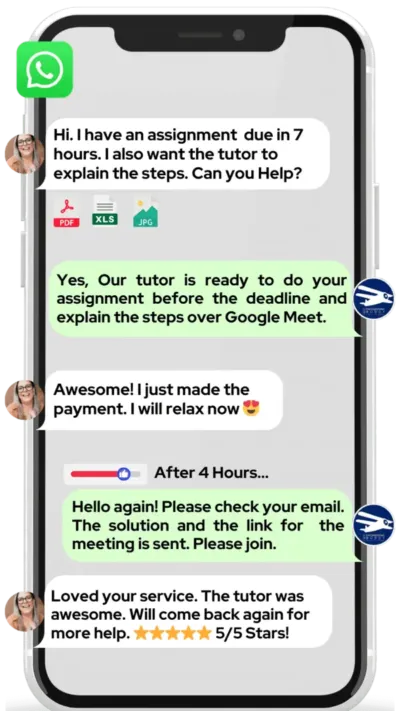
Unlike platforms where you fill out a form and wait, MEB responds in under a minute, 24/7. Tutor match takes under an hour. The $1 trial means you test before you commit. Everything runs over WhatsApp — no logins, no intake forms.
Study Plans (Pick One That Matches Your Goal)
After the first diagnostic session, your tutor builds a specific session sequence — not a generic revision schedule. For students 1–3 weeks from an exam, the focus is gap-closing on the highest-yield topics: water relations, photosynthesis mechanisms, and plant hormones. Students with 4–8 weeks work through the full syllabus systematically with past paper practice built in. Ongoing weekly support runs in parallel with your coursework deadlines, keeping Plant Biology homework and lab reports on track alongside your other subjects.
Pricing Guide
Plant Biology tutoring starts at $20/hr for standard school and early undergraduate levels. Graduate and specialist topics — plant molecular genetics, advanced ecology, research dissertation support — typically run $60–$100/hr. Rate factors include level, topic depth, your timeline, and tutor availability.
For students targeting top research universities or graduate programmes in plant science, agricultural biotechnology, or ecology, tutors with active research or professional field experience are available at higher rates. Share your specific goal and MEB will match the right tier.
Peak exam periods — April to May and October to November — see reduced availability. Book in advance if your exam date is confirmed. Start with the $1 trial — 30 minutes, no registration, no commitment. WhatsApp MEB for a quick quote.
MEB tutors are matched to your exact syllabus — not assigned from a general biology pool. If your course uses the AQA, OCR, Edexcel, or College Board framework, your tutor knows the mark scheme language, the command terms, and the common examiner traps.
Source: My Engineering Buddy tutoring methodology — myengineeringbuddy.com/why-us/tutoring-methodology/
FAQ
Is Plant Biology hard?
It depends on which part. Most students find water potential calculations, the Calvin cycle, and plant hormone interactions the hardest. These topics are precise — small gaps in understanding produce consistent mark loss. Targeted 1:1 Plant Biology tutoring closes those gaps faster than re-reading the same chapter.
How many sessions are needed?
Students with a specific gap to close often see measurable improvement in 3–5 sessions. Students working through the full syllabus for an exam typically need 10–20 sessions. The tutor gives an honest estimate after the first diagnostic. No one sells you sessions you don’t need.
Can you help with homework and assignments?
Yes — but the approach matters. MEB tutors explain the underlying concept, walk through similar worked examples, and help you understand the method. You produce and submit your own work. For full details, read our Academic Integrity policy and Why MEB.
Will the tutor match my exact syllabus or exam board?
Yes. When you contact MEB, share your exam board — AQA, OCR, Edexcel, IB, College Board AP, or your university course outline. The tutor is matched specifically to that framework, not to a generic biology curriculum. Syllabus fit is the primary matching criterion.
What happens in the first session?
The tutor runs a short diagnostic — asking you to explain a key concept or work through a recent question. This identifies exactly where marks are being lost. From that point, every subsequent session is sequenced to address specific gaps in priority order. No time is wasted on topics already solid.
Is online tutoring as effective as in-person?
For Plant Biology, yes — often more so. The tutor annotates diagrams live on a shared screen, you can screenshot worked examples, and sessions are available outside school hours without travel. The feedback loop is the same as in-person; the flexibility is considerably better.
Can I get Plant Biology help at midnight or on weekends?
Yes. MEB operates 24/7. Tutors cover all major time zones including US East and West Coast evenings, UK late evenings, and Gulf weekend slots. WhatsApp MEB at any hour and you’ll typically have a response and a tutor match within the hour.
What if I don’t get on with my assigned tutor?
Tell MEB after the first session. Tutor reassignment is standard practice — no forms, no awkward conversations. MEB matches you with a different tutor, usually within 24 hours. The $1 trial exists precisely so you can test the match before committing to a block of sessions.
Do you cover plant biology at graduate and PhD level?
Yes. MEB has tutors with research backgrounds in plant molecular biology, plant ecology, and agricultural genetics. Graduate students working on dissertation chapters, literature reviews, or specific experimental design questions can access subject-specialist support at the appropriate level.
How do I get started?
Three steps. WhatsApp MEB with your subject, exam board or course level, and the topic you’re struggling with. MEB matches you with a verified tutor — usually within the hour. Your first session is the $1 trial: 30 minutes of live 1:1 tutoring or one homework question explained in full, no registration required.
Try your first session for $1 — 30 minutes of live 1:1 tutoring or one homework question explained in full. No registration. No commitment. WhatsApp MEB now and get matched within the hour.
Trust & Quality at My Engineering Buddy
Every MEB tutor goes through subject-specific screening — a live demo session evaluated against the syllabus they claim to teach, followed by ongoing review based on student feedback. Tutors hold relevant degrees and, at advanced levels, have professional or research experience in plant science or related disciplines. Rated 4.8/5 across 40,000+ verified reviews on Google. MEB has been running since 2008, serving 52,000+ students across the US, UK, Canada, Australia, the Gulf, and Europe.
MEB tutoring is guided learning — you understand the work, then submit it yourself. For full details on what we help with and what we don’t, read our Academic Integrity policy and Why MEB.
MEB covers 2,800+ subjects across every major discipline. Students working in plant science often also need support in biochemistry tutoring, ecology tutoring, and genetics help — all available through the same platform, matched to the same syllabus standards.
MEB has served students in over 30 countries since 2008. Plant Biology tutoring is available across all major exam boards and university frameworks — from AP and IB to undergraduate modules at research-intensive universities in the US, UK, Canada, and Australia.
Source: My Engineering Buddy, 2008–2025.
Explore Related Subjects
Students studying Plant Biology often also need support in:
- Botany
- Cell Biology
- Molecular Biology
- Evolutionary Biology
- Soil Biology
- Microbiology
- Environmental Biology
- Agricultural Science
Next Steps
Getting started takes under two minutes. Have the following ready before your first session:
- Your exam board and syllabus — or your university course outline
- A recent past paper attempt or homework question you struggled with
- Your exam date or submission deadline
Share your availability and time zone. MEB matches you with a verified Plant Biology tutor — usually within 24 hours, often within the hour. The first session starts with a diagnostic so every minute is used on what actually matters.
Visit plant physiology tutoring at www.myengineeringbuddy.com for more on how MEB structures sessions and matches tutors across plant science subjects.
WhatsApp to get started or email [email protected].
52,000+ Happy Students From Various Universities






Reviewed by Subject Expert
This page has been carefully reviewed and validated by our subject expert to ensure accuracy and relevance.
