

Hire Verified & Experienced
History Tutors
Email: [email protected]
4.8/5 40K+ session ratings collected on the MEB platform



Hire The Best History Tutor
Top Tutors, Top Grades. Without The Stress!


Most students don’t fail History because they don’t read. They fail because they can’t turn what they’ve read into an argument that earns marks.
History Tutor Online
History is the academic study of past human events, societies, and change over time. It trains students to evaluate primary and secondary sources, construct evidence-based arguments, and interpret causation across political, social, and economic contexts.
If you’ve searched for a History tutor near me and ended up here, that’s not a coincidence. MEB connects students with 1:1 online History tutors who know your exact syllabus — AP, A Level, IB, GCSE, or undergraduate — and can turn a student who loses marks on essay structure into one who earns them consistently. Our History tutoring covers everything from source analysis to extended essay writing, calibrated to your course, your exam board, and your deadline.
- 1:1 online sessions tailored to your specific course and syllabus
- Expert-verified tutors with subject-specific knowledge of your exam board
- Flexible time zones — US, UK, Canada, Australia, Gulf
- Structured learning plan built after a diagnostic session
- Ethical homework and assignment guidance — you understand before you submit
52,000+ students across the US, UK, Canada, Australia, and the Gulf have used MEB since 2008 — including students in History subjects like World History tutoring, American History help, and Modern History tutoring.
Source: My Engineering Buddy, 2008–2025.
How Much Does a History Tutor Cost?
Most History tutoring sessions at MEB run $20–$40/hr depending on level and exam board. Graduate and specialist tutors go up to $100/hr. Not sure if it’s worth it? Start with the $1 trial — 30 minutes of live tutoring or one homework question explained in full.
| Level / Need | Typical Rate | What’s Included |
|---|---|---|
| Standard (GCSE, A Level, AP, IB) | $20–$35/hr | 1:1 sessions, essay and source guidance |
| Advanced / Undergraduate / Graduate | $35–$100/hr | Expert tutor, historiography, thesis support |
| $1 Trial | $1 flat | 30 min live session or 1 homework question explained |
Tutor availability tightens in April and May during AP and A Level exam season. Book early if your exam is within six weeks.
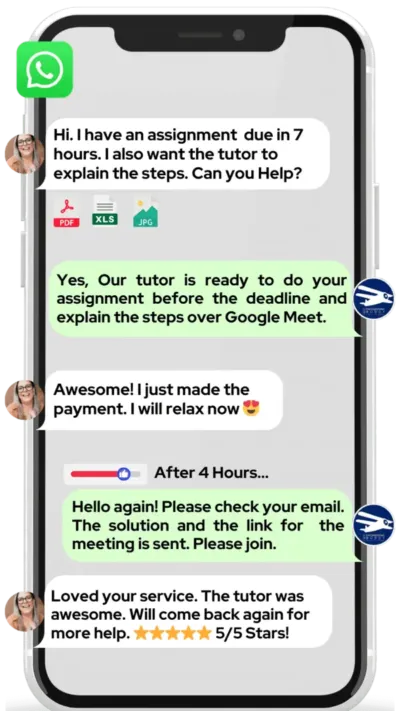
WhatsApp MEB for a quick quote — average response time under 1 minute.
Who This History Tutoring Is For
This isn’t a service for students who just want notes read back to them. It’s for students who need to write better arguments, handle source questions under pressure, and close specific gaps before an exam date that isn’t moving.
- Students retaking after a failed first attempt — particularly in AP US History, A Level History, or IB History HL
- Students with a university conditional offer depending on this grade
- Students 4–6 weeks from an exam with essay structure or source analysis still shaky
- Undergraduates at universities like Toronto, Edinburgh, Melbourne, UCLA, and Amsterdam who need help with historiography and essay-based assessments
- Parents watching a child’s confidence drop alongside their grades — especially when the teacher’s feedback says “develop your argument” but doesn’t show how
- Graduate students working on thesis chapters who need a sounding board on historical methodology
At MEB, we’ve found that the students who improve fastest in History aren’t the ones who read the most — they’re the ones who practise writing under timed conditions from week one, with someone correcting the argument before the habit sets in wrong.
1:1 Tutoring vs Self-Study vs AI vs YouTube vs Online Courses
Self-study works if you’re disciplined, but there’s no one to tell you when your essay argument is circular. AI tools give fast definitions but can’t read your draft introduction and explain why the examiner won’t award the top band. YouTube is solid for overviews of the French Revolution or Cold War — it stops cold when you need to understand how your specific board marks source utility questions. Online courses are structured but fixed-pace, with no one adjusting when you misunderstand causation vs. correlation in historical argument. 1:1 tutoring with MEB is live, calibrated to your exact exam board and paper format, and corrects errors in your reasoning before they cost you marks in the real thing. That gap — between knowing content and writing an argument that scores — is exactly where History tutors earn their worth.
Outcomes: What You’ll Be Able To Do in History
After working with an MEB History tutor, you’ll be able to write a structured analytical essay that moves from claim to evidence to explanation without padding. You’ll analyze primary sources using the HAPP or OPCVL framework your board requires — not a generic template. You’ll apply second-order concepts like continuity, change, causation, and significance to specific periods rather than describing events. You’ll present a counter-argument confidently in an A Level or IB extended essay, and explain why one factor mattered more than another with the kind of precision that earns the top mark band.
Supporting a student through History? MEB works directly with parents to set up sessions, track progress, and keep coursework on schedule. WhatsApp MEB — average response time is under a minute, 24/7.
Based on feedback from 40,000+ sessions collected by MEB from 2022 to 2025, 58% of students improved by one full grade after approximately 20 hours of 1:1 tutoring in subjects like History. A further 23% achieved at least a half-grade improvement.
Source: MEB session feedback data, 2022–2025.
What We Cover in History (Syllabus / Topics)

Track 1: AP, A Level, IB, and GCSE History
- Essay writing: structuring a line of argument from introduction to conclusion
- Source analysis: utility, reliability, HAPP and OPCVL frameworks
- Period studies: World War I and II, the Cold War, 20th-century authoritarian states
- Thematic studies: rights and protest, migration, empire and decolonisation
- Paper-specific strategy: Section A vs Section B question types, mark allocation
- NEA and coursework planning for A Level and IB Internal Assessment
- Past paper practice with mark-scheme feedback
Key texts for this track include Hobsbawm’s Age of Extremes, Kershaw’s Hitler 1889–1936, and your board’s prescribed source booklets. Tutors work with Cambridge, Edexcel, OCR, AQA, College Board, and IB specifications.
Track 2: Undergraduate and Survey History Courses
- Ancient History tutoring: Greece, Rome, primary source interpretation
- Medieval History help: feudalism, church and state, manuscript sources
- History of Europe tutoring: Reformation to Cold War
- Historiography: how to engage with historical debates in written assessments
- Research essay structure: argument, evidence, footnotes, bibliography
- Reading strategies for dense academic texts — extract argument, not just facts
- Seminar preparation and oral presentation skills
Tutors familiar with survey texts including Kishlansky’s A Brief History of Western Civilization, Bentley and Ziegler’s Traditions and Encounters, and primary collections via the Perseus Digital Library.
Track 3: Specialist and Regional History
- African American History help: civil rights movement, slavery, Reconstruction
- Latin American History tutoring: independence movements, 20th-century politics
- Russian History tutor: revolution, Soviet period, post-Soviet transition
- Chinese History tutoring: imperial dynasties through the Communist era
- Cold War help: ideological conflict, proxy wars, détente, collapse of the USSR
- Comparative history: connecting regional case studies to global themes
Tutors in this track draw on Gaddis’s The Cold War, Spence’s The Search for Modern China, and Zinn’s A People’s History of the United States depending on the specific focus.
Students consistently tell us that History essays feel impossible until someone shows them the difference between describing an event and explaining its significance. That switch — from narration to analysis — is usually what separates a C from an A.
What a Typical History Session Looks Like
The tutor opens by checking the previous session’s task — usually a timed paragraph on the causes of World War I or a source evaluation you attempted alone. You share your screen or paste in your draft. The tutor reads it in real time, marks it against the band descriptors for your exam, and explains exactly which sentence lost marks and why. Then you work through a new question together — the tutor models the analytical structure using a digital pen-pad, breaking the argument into claim, evidence, and explanation. You rewrite one paragraph live. By the end of the session, you have a corrected draft, a clear understanding of the marking logic, and one specific task to complete before next time.
How MEB Tutors Help You with History (The Learning Loop)
Diagnose: In the first session, the tutor asks you to attempt a source question or essay plan cold. That response tells them everything — whether your problem is content knowledge, argument structure, source analysis technique, or exam timing. The plan comes from that, not from a generic syllabus checklist.
Explain: The tutor works through a model answer live using Google Meet and a digital pen-pad or iPad with Apple Pencil. You see the argument built sentence by sentence — claim, evidence, explanation — not just the finished product.
Practice: You attempt the next question with the tutor present. Not after the session. During it. That’s when errors surface and get corrected before they become habits.
Feedback: The tutor goes through your answer line by line against the mark scheme. You learn not just what was wrong but why the examiner wouldn’t award the mark — the difference between a valid point and a mark-scoring point is specific and teachable.
Plan: Each session ends with a target for next time — a specific essay question, a source set to evaluate, or a period to review. The tutor tracks where you are against your exam date so nothing falls through.
Sessions run on Google Meet. Before your first session, have ready your exam board, the paper or component you’re most worried about, and one recent attempt — even a rough draft. The first session is also your diagnostic. Start with the $1 trial — 30 minutes of live tutoring that gives you the diagnostic and your first corrected attempt in one go.
Whether you need a quick catch-up before a paper in three weeks, structured revision over six weeks, or ongoing weekly support through the semester, the tutor maps the session plan after that first diagnostic.
MEB tutors have worked with students on World War II tutoring, French Revolution help, and Intellectual History tutoring — turning weak essay drafts into structured arguments that hit the top band descriptors.
Source: My Engineering Buddy, 2008–2025.
Try your first session for $1 — 30 minutes of live 1:1 tutoring or one homework question explained in full. No registration. No commitment. WhatsApp MEB now and get matched within the hour.
Tutor Match Criteria (How We Pick Your Tutor)
Not every History tutor is right for every student. Here’s what MEB checks before making a match.
Subject depth: The tutor must know your specific exam board — Cambridge, Edexcel, AQA, OCR, College Board AP, or IB — not just History in general. A tutor who knows A Level Paper 1 mark schemes cold is different from one who knows undergraduate historiography. Both exist in MEB’s pool. You get the right one.
Tools: Every tutor uses Google Meet with a digital pen-pad or iPad and Apple Pencil. No static slides. Live annotation on your work.
Time zone: Matched to your region — US, UK, Gulf, Canada, or Australia. Evening availability is standard.
Goals: The match also accounts for what you need — exam score improvement, essay writing, historiography for a dissertation, or weekly coursework support.
Unlike platforms where you fill out a form and wait, MEB responds in under a minute, 24/7. Tutor match takes under an hour. The $1 trial means you test before you commit. Everything runs over WhatsApp — no logins, no intake forms.
Study Plans (Pick One That Matches Your Goal)
After the diagnostic, your tutor builds the plan. Three common structures: a catch-up sprint (1–3 weeks, students with one weak paper or topic to close before the exam); an exam prep block (4–8 weeks, structured revision across all papers with timed practice and mark-scheme feedback); or weekly ongoing support aligned to your semester, coursework deadlines, or NEA submission date. The tutor adjusts week by week based on how practice attempts are going — not a fixed schedule that ignores what’s actually happening.
Pricing Guide
History tutoring at MEB runs $20–$40/hr for most levels — GCSE, A Level, AP, IB, and first and second-year undergraduate. Specialist tutors for graduate-level work, dissertation support, or niche regional history go up to $100/hr. Rate depends on level, topic complexity, your timeline, and tutor availability.
Availability tightens in April and May during AP and A Level exam season. If your exam is within six weeks, book now rather than later.
For students targeting places at universities like Oxford, Cambridge, Yale, or Columbia — or applying through competitive history programmes — tutors with postgraduate research backgrounds in specific periods are available at higher rates. Share your goal and MEB will match the tier to your ambition.
Start with the $1 trial — 30 minutes, no registration, no commitment. WhatsApp MEB for a quick quote.
For students working on Interwar Period tutoring or Medieval European History help, MEB matches tutors with period-specific expertise — not just a generalist with a history degree.
Source: My Engineering Buddy, 2008–2025.
FAQ
Is History hard?
History is demanding in a specific way — it rewards analytical writing, not just content recall. The difficulty isn’t the facts; it’s turning them into an argument the examiner will mark at the top band. That’s a skill, and it’s teachable.
How many sessions do I need?
Most students see meaningful improvement in essay quality within 4–6 sessions. Closing larger gaps across multiple papers or periods typically takes 10–20 hours over 4–8 weeks. The diagnostic in the first session sets a realistic timeline for your specific situation.
Can you help with homework and assignments?
Yes. MEB tutoring is guided learning — you understand the work, then submit it yourself. The tutor explains the approach, helps you structure your argument, and gives feedback on your draft. See our Academic Integrity policy and Why MEB page for full details on what we help with and what we don’t.
Will the tutor match my exact syllabus or exam board?
Yes. MEB tutors are matched to your specific board — Cambridge, Edexcel, AQA, OCR, College Board AP US History, or IB. A tutor who knows your mark scheme and paper format is assigned, not a generalist.
What happens in the first session?
The tutor starts with a diagnostic — usually a cold attempt at a source question or essay plan. That tells them where the gaps are. The rest of the session covers the most pressing issue, and you leave with a corrected piece of work and a clear next step.
Is online tutoring as effective as in-person?
For History specifically, yes. Essay annotation and source analysis work well on screen — the tutor marks up your draft in real time using a digital pen-pad. Most MEB students prefer online once they’ve tried it: no travel, more consistent scheduling, easier to share documents.
What’s the difference between AP US History and AP World History — and does MEB cover both?
AP US History focuses on American political, social, and economic development from colonisation to the present. AP World History covers global patterns and interactions from 1200 CE onward. They have different document-based question formats and scoring rubrics. MEB covers both — tutors are matched to your specific AP course and exam format.
How do I approach the document-based question (DBQ) in AP or IB History?
The DBQ rewards sourcing, contextualization, and argument — not summary. Most students lose marks by describing documents rather than using them as evidence. MEB tutors work through DBQ structure systematically: claim, evidence, document analysis, outside knowledge, and complexity. It’s one of the first things addressed in the diagnostic.
Can I get History help at midnight or on weekends?
Yes. MEB operates 24/7 across time zones — US evenings, UK mornings, Gulf afternoons, Australian night sessions. WhatsApp MEB at any hour and you’ll typically be matched within the hour. Weekend sessions are standard, not an exception.
What if I don’t like my assigned tutor?
Tell MEB on WhatsApp. A replacement is arranged without fuss — usually within 24 hours. The $1 trial is also designed for this: you test the tutor before committing to a longer block, so mismatches are caught early.
How do I get started?
Three steps: WhatsApp MEB, get matched with a verified History tutor — usually within an hour — then start your $1 trial. Thirty minutes of live tutoring or one question explained in full. No registration required, no commitment beyond the dollar.
Trust & Quality at My Engineering Buddy
Every MEB tutor goes through subject-specific vetting — not a generic background check. They complete a live demo session evaluated by MEB’s team, hold relevant degrees or professional experience in their subject area, and are reviewed on an ongoing basis via session feedback. Tutors for History are assessed on their knowledge of exam board mark schemes, source analysis methodology, and essay feedback quality — not just subject knowledge in general. Rated 4.8/5 across 40,000+ verified reviews on Google.
MEB tutoring is guided learning — you understand the work, then submit it yourself. For full details on what we help with and what we don’t, read our Academic Integrity policy and Why MEB.
MEB has been running since 2008, serving 52,000+ students across the US, UK, Canada, Australia, the Gulf, and Europe in 2,800+ subjects. History is one of our strongest areas — tutors cover everything from African History tutoring and Asian History help to Introduction to History tutoring for students new to the discipline at university level. If it’s on a syllabus, MEB has a tutor for it. Learn more about our approach at our tutoring methodology page.
A common pattern our tutors observe is that History students often know the content cold but freeze on exam day because they’ve never practised turning knowledge into a timed argument. That’s what the sessions fix — not the reading, the writing under pressure.
Explore Related Subjects
Students studying History often also need support in:
- American Studies
- World War I
- Canadian History
- Australian History
- History of Science
- African American History
- Bible Studies
Next Steps
Getting started takes about two minutes.
- Share your exam board, the paper or component you’re most worried about, and your exam or deadline date
- Share your availability and time zone
- MEB matches you with a verified History tutor — usually within 24 hours, often within the hour
- First session starts with a diagnostic so every minute from there is used on the right things
Before your first session, have ready: your exam board and syllabus (or course outline), a recent past paper attempt or essay draft you struggled with, and your exam or deadline date. The tutor handles the rest.
Visit www.myengineeringbuddy.com for more on how MEB works.
WhatsApp to get started or email [email protected].
52,000+ Happy Students From Various Universities






How Much For Private 1:1 Tutoring & Hw Help?
Private 1:1 Tutoring and HW help Cost $20 – 35 per hour* on average.
Reviewed by Subject Expert
This page has been carefully reviewed and validated by our subject expert to ensure accuracy and relevance.
