




~1 min
Average Reply Time
~1 hour
To Be Matched With A Tutor
30 Min Trial
75% Find Their Tutor On The 1st Trial
$20-35+/hr
Premium Yet Affordable Learning
Hire The Best Theatre Tutor


Most Theatre students don’t fail because they lack talent. They fail because nobody showed them how to break down a scene, analyse dramatic structure, or prepare a monologue under timed conditions.
Theatre Tutor Online
Theatre is the study and practice of live performance, encompassing acting, directing, dramaturgy, and theatrical history. It equips students to analyse scripts, develop characters, and engage critically with dramatic texts across academic and performance contexts.
MEB connects you with a verified Theatre tutor online for 1:1 live sessions built around your exact syllabus — whether that’s A Level Drama & Theatre, IB Theatre, an undergraduate performance studies module, or a conservatoire preparation course. If you’ve been searching for a Theatre tutor near me, online tutoring covers every time zone without compromising the quality of feedback you get. Sessions run over Google Meet with a digital pen-pad for annotations, script markups, and structured analysis work. You get expert guidance on the specific components your course examines — not a generic overview of dramatic theory. For broader fine arts tutoring, MEB covers that too.
- 1:1 online sessions tailored to your exact course, exam board, or conservatoire brief
- Expert verified tutors with Theatre-specific academic and performance backgrounds
- Flexible time zones — US, UK, Canada, Australia, Gulf covered
- Structured learning plan built after a diagnostic session
- Ethical homework and assignment guidance — you understand the work before you submit
52,000+ students across the US, UK, Canada, Australia, and the Gulf have used MEB since 2008 — including students in Fine Arts subjects like Theatre, Drama, and Performing Arts.
Source: My Engineering Buddy, 2008–2025.
How Much Does a Theatre Tutor Cost?
Most Theatre tutoring sessions run at $20–$40/hr. Advanced coursework, conservatoire preparation, or graduate-level dramaturgy can reach $60–$100/hr. Before committing, you can start with the $1 trial — 30 minutes of live 1:1 tutoring or one assignment question explained in full.
| Level / Need | Typical Rate | What’s Included |
|---|---|---|
| Standard (most levels) | $20–$35/hr | 1:1 sessions, script analysis, assignment guidance |
| Advanced / Specialist | $35–$100/hr | Conservatoire prep, dramaturgy, graduate-level |
| $1 Trial | $1 flat | 30 min live session or one full assignment question |
Tutor availability tightens sharply in the weeks before A Level, IB, and university submission deadlines — book early if you’re working to a fixed date.
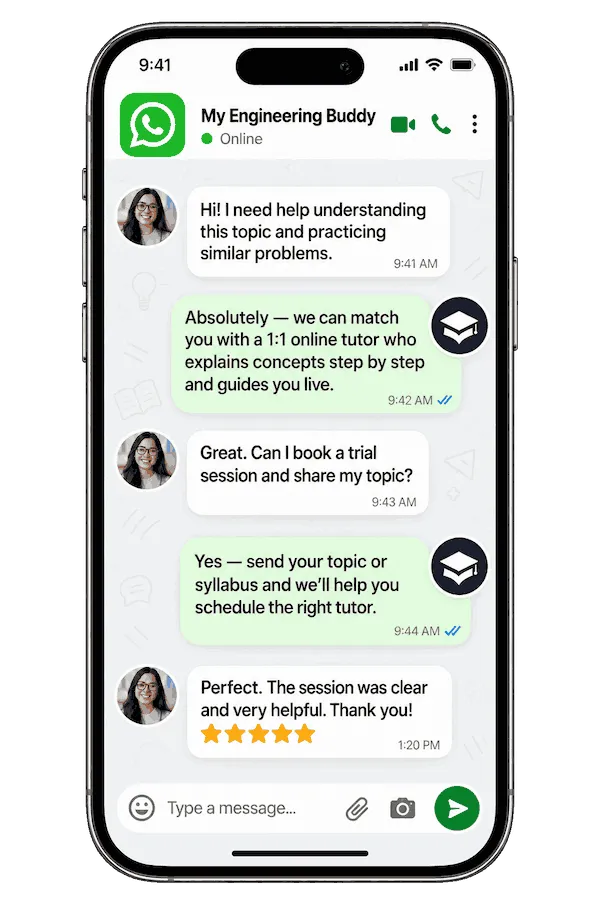
WhatsApp MEB for a quick quote — average response time under 1 minute.
Who This Theatre Tutoring Is For
Theatre sits across academic study and practical performance. Students come to MEB at very different stages — some need help pulling apart a text, others need to understand what examiners actually want from a live performance assessment.
- A Level Drama & Theatre students struggling with the written exam components or devising logs
- IB Theatre students facing the Research Presentation, Solo Theatre Piece, or Collaborative Project
- Undergraduate students in performance studies, dramaturgy, or theatre history needing essay and analysis support
- Students retaking after a failed first attempt — particularly those who lost marks on critical analysis or written components
- Students with a coursework or NEA submission deadline approaching and significant gaps still to close
- Parents watching a child’s confidence drop alongside their grades in a subject they care about deeply
Students coming to MEB from programmes at universities including NYU Tisch, LAMDA, RADA feeder schools, UCLA School of Theater, and Bristol Old Vic Theatre School have used tutoring to sharpen both analytical writing and performance theory components.
1:1 Tutoring vs Self-Study vs AI vs YouTube vs Online Courses
Self-study works if you’re disciplined, but Theatre analysis needs someone to challenge your interpretation, not just confirm it. AI tools can summarise Stanislavski or Brecht quickly — they can’t watch you perform or identify where your characterisation loses focus. YouTube gives strong introductions to dramatic theory but stops short when you’re stuck on why your devising log keeps losing marks. Online courses are structured but fixed-pace, with no one to tell you specifically why your essay on Chekhov isn’t landing. With a 1:1 Drama tutor or Theatre tutor from MEB, the session is calibrated to your actual script, your actual exam board, and the exact component where you’re dropping marks.
Outcomes: What You’ll Be Able To Do in Theatre
After working with an MEB Theatre tutor, you’ll be able to analyse a dramatic text using the specific frameworks your examiner expects — Brechtian techniques, Stanislavski’s system, or contemporary physical theatre methods, depending on your course. You’ll write with precision about how staging, proxemics, and design choices communicate meaning to an audience. You’ll apply devising principles to a structured, documented process that meets the written component criteria. You’ll present performance analysis that links practitioner theory to specific moments in your own or observed work. And you’ll approach your written exam knowing which question types to prioritise and how to structure a response that earns marks at the top band.
Supporting a student through Theatre? MEB works directly with parents to set up sessions, track progress, and keep coursework on schedule. WhatsApp MEB — average response time is under a minute, 24/7.
Based on feedback from 40,000+ sessions collected by MEB from 2022 to 2025, 58% of students improved by one full grade after approximately 20 hours of 1:1 tutoring in subjects like Theatre. A further 23% achieved at least a half-grade improvement.
Source: MEB session feedback data, 2022–2025.
What We Cover in Theatre (Syllabus / Topics)

Dramatic Theory and Practitioners
- Stanislavski: given circumstances, emotional memory, units and objectives
- Brecht: Epic Theatre, alienation effect (Verfremdungseffekt), gestus
- Physical theatre: Lecoq, DV8, Complicité approaches
- Postdramatic theatre and contemporary practice
- Applying practitioner frameworks to live performance analysis
- Comparing and contrasting practitioners in essay form
Key texts: An Actor Prepares by Stanislavski; Brecht on Theatre ed. Marc Silberman; Theatre: A Very Short Introduction by Baz Kershaw and Harvey Nicholson.
Script Analysis and Dramatic Texts
- Close reading: stage directions, dramatic structure, subtext
- Genre analysis: tragedy, comedy, tragicomedy, absurdist drama
- Context: social, historical, and political dimensions of key plays
- Comparative essay writing across two or more texts
- Exam-specific question strategies for written text analysis papers
- Set texts: Chekhov, Miller, Ibsen, Beckett, Churchill, and others by board
Key texts: The Cambridge Introduction to Theatre Studies by Christopher Balme; Drama: Structure, Character, and Thematic Interpretation by R. Gill.
Devising, Performance, and Written Components
- Devising process: stimulus response, development, refinement
- Devising log / process portfolio: structure, evidence, reflection
- Performance evaluation: self, peer, and practitioner-based frameworks
- Director’s concept notes and production analysis
- Design elements: lighting, sound, set, costume — how to write analytically about them
- Live theatre review: what examiners look for and how to structure it
Key texts: The Routledge Companion to Theatre and Performance ed. Allain & Harvie; Devising Theatre by Alison Oddey.
At MEB, we’ve found that Theatre students who struggle with written components almost always have the ideas — they just haven’t been shown how to organise them into the structured argument an examiner is looking for. That’s the gap tutoring closes fastest.
What a Typical Theatre Session Looks Like
The tutor opens by checking the previous session’s focus — say, your comparative essay on Brecht and Stanislavski that you drafted since the last meeting. You share your screen or a document link, and the tutor reads it live, annotating with the digital pen-pad and flagging where your argument loses specificity or where you’ve summarised instead of analysed. You work through one paragraph together in real time: the tutor shows you what a top-band response to that question looks like, then you rewrite it in your own words while the tutor watches and corrects. The session closes with a concrete task — analysing one specific scene from your set text using the Brechtian framework — so you leave with a defined focus, not a vague instruction to “revise more.”
How MEB Tutors Help You with Theatre (The Learning Loop)
Diagnose: In the first session, the tutor identifies exactly where you’re losing marks — whether that’s practitioner application, essay structure, devising documentation, or unseen text analysis. No assumptions. The diagnostic shapes everything that follows.
Explain: The tutor works through a live example on screen — breaking down a model answer, annotating a script, or walking through a director’s concept note using the digital pen-pad. You see the thinking, not just the result.
Practice: You attempt the task with the tutor present — writing a paragraph, structuring a response, or applying a practitioner framework to your own devised work. Doing it in the session means errors surface immediately.
Feedback: The tutor goes line by line: what lost marks, why, and what the examiner wanted instead. This is the part most students never get from a classroom teacher managing 25 others.
Plan: Each session ends with a clear next topic, a specific practice task, and a realistic timeline to your exam or submission date. You always know what you’re doing next and why it matters.
Sessions run on Google Meet. The tutor uses a digital pen-pad or iPad with Apple Pencil for annotations, script markups, and live written modelling. Before your first session, have your exam board, set texts or devising brief, and a recent piece of written work ready. The first session covers the diagnostic and the highest-priority gap. Start with the $1 trial — 30 minutes of live tutoring that also serves as your first diagnostic.
Students consistently tell us that the moment things click in Theatre isn’t when they understand a practitioner in theory — it’s when they can use that practitioner’s framework to explain a specific staging choice in their own performance or a play they’ve seen. That’s the connection tutoring builds.
Tutor Match Criteria (How We Pick Your Tutor)
Not every Theatre tutor fits every student. MEB matches on four criteria.
Subject depth: Your tutor holds a degree in Drama, Theatre Studies, or a closely related performance discipline — and has direct experience with your specific exam board (AQA, Edexcel, OCR, IB, or equivalent) or course level.
Tools: Every session runs on Google Meet with a digital pen-pad or iPad and Apple Pencil — so script annotation, essay marking, and live modelling are all possible on screen.
Time zone: Tutors are matched to your region — US, UK, Gulf, Canada, or Australia — so session times actually work for your schedule.
Goals: Whether you need exam score improvement, help with a devising portfolio, ongoing essay support, or a crash course before a deadline, the tutor match reflects that specific aim. Unlike platforms where you fill out a form and wait, MEB responds in under a minute, 24/7. Tutor match takes under an hour. The $1 trial means you test before you commit. Everything runs over WhatsApp — no logins, no intake forms.
Study Plans (Pick One That Matches Your Goal)
After the diagnostic, your tutor builds the session sequence around one of three models. Catch-up (1–3 weeks): fast-track through the highest-yield topics before a deadline, with daily or every-other-day sessions. Exam prep (4–8 weeks): structured revision through written papers, practitioner application, and timed essay practice with full feedback. Weekly support: ongoing sessions aligned to your school’s scheme of work, keeping coursework and devising documentation on track through the semester. The tutor adjusts the plan after each session based on what you’ve actually covered and where gaps remain.
Theatre tutoring from MEB covers every component your course examines — from practitioner essays and devising logs to live performance analysis and unseen text questions — with a tutor matched to your exact exam board and level.
Source: My Engineering Buddy, 2008–2025.
Pricing Guide
Standard Theatre tutoring runs at $20–$40/hr for most A Level, IB, and undergraduate levels. Specialist tutors for conservatoire audition preparation, graduate dramaturgy, or performance research support are available at higher rates — share your specific goal and MEB will match the tier to your timeline and ambition.
Rate factors include your level, the complexity of the component being covered, your timeline, and tutor availability during peak exam and submission periods. Availability drops noticeably in the four weeks before major exam windows.
For students targeting conservatoires, top drama schools, or MFA programmes, tutors with professional performance and directing backgrounds are available — ask MEB for the right match.
Start with the $1 trial — 30 minutes, no registration, no commitment. WhatsApp MEB for a quick quote.
FAQ
Is Theatre hard?
Theatre is demanding in two distinct ways — it requires rigorous written analysis and strong performance skills. Most students find the written components (essays, devising logs, practitioner application) harder than expected, especially under exam conditions. That’s where tutoring makes the clearest difference.
How many sessions are needed?
Students closing specific gaps before an exam typically see clear progress in 6–10 sessions. For ongoing support across a full academic year, weekly sessions work well. The diagnostic in the first session gives a realistic picture of what’s needed and when.
Can you help with homework and assignments?
MEB tutoring is guided learning — you understand the work, then submit it yourself. Tutors explain the approach, model an example, and give you the tools to complete the task. See our Academic Integrity policy and Why MEB page for full details on what we help with and what we don’t.
Will the tutor match my exact syllabus or exam board?
Yes. When you contact MEB, share your exam board (AQA, Edexcel, OCR, IB, or other), the specific components you’re working on, and your current course level. The tutor match is built around that — not a generic Theatre brief.
What happens in the first session?
The first session is diagnostic. The tutor reviews your recent written work or asks you to attempt a short task live, identifies your specific gaps, and maps the most efficient route from where you are now to where you need to be by your deadline.
Is online tutoring as effective as in-person?
For the written and analytical components of Theatre — which is where most marks are won or lost — online tutoring with screen sharing, live annotation, and document feedback is at least as effective as in-person. Script analysis, essay feedback, and practitioner application all transfer well to the online format.
What’s the difference between A Level Drama and IB Theatre, and can MEB help with both?
A Level Drama and Theatre (AQA, Edexcel, OCR) focuses on set texts, devising, and a live performance component with a written exam. IB Theatre requires a Research Presentation, Solo Theatre Piece, and Collaborative Project with a distinct reflection process. MEB tutors cover both — the match depends on which qualification you’re taking.
Can a Theatre tutor help with my devising log or process portfolio?
Yes. Devising documentation is one of the most commonly under-marked components in A Level and IB Theatre. Tutors help you understand what evidence to include, how to structure your reflections, and how to connect your practical decisions to practitioner frameworks — all of which are assessed criteria.
Do you offer Theatre tutoring for conservatoire and drama school audition preparation?
MEB can match you with tutors who have professional performance backgrounds for audition monologue selection, character analysis, and preparation strategy. This is specialist support — share your target schools and audition format when you contact MEB for the right tutor match.
Can I get Theatre help at short notice before a submission deadline?
Yes — MEB operates 24/7 and tutor matching typically takes under an hour. Contact via WhatsApp with your deadline and the specific component you need help with. Availability during peak periods can be limited, so the sooner you reach out, the better your options.
How do I get started?
Start with the $1 trial — 30 minutes of live 1:1 tutoring or one assignment question explained in full. Three steps: WhatsApp MEB with your exam board and hardest component, get matched with a verified Theatre tutor, then start your trial session. No registration required.
Trust & Quality at My Engineering Buddy
Every MEB tutor goes through subject-specific vetting: a credentials review, a live demo session evaluated by MEB, and ongoing feedback monitoring from students after each session. Theatre tutors hold degrees in Drama, Theatre Studies, or Performance Arts and have direct experience with the specific exam boards and course levels they cover. Rated 4.8/5 across 40,000+ verified reviews on Google, MEB has been running since 2008 across 2,800+ subjects.
MEB tutoring is guided learning — you understand the work, then submit it yourself. For full details on what we help with and what we don’t, read our Academic Integrity policy and Why MEB.
MEB serves students across the US, UK, Canada, Australia, the Gulf, and Europe in Fine Arts and related disciplines — including students needing performing arts tutoring, art history help, and music history tutoring. The platform has been matching students with verified subject specialists since 2008, and the approach hasn’t changed: one tutor, one student, one session plan built around your exact course. Read more about the methodology at MEB’s tutoring methodology page.
Explore Related Subjects
Students studying Theatre often also need support in:
Next Steps
Before your first session, have ready: your exam board and syllabus (or course outline), a recent past paper attempt or piece of written work you struggled with, and your exam or submission deadline date. The tutor handles the rest.
- Share your exam board, the hardest component you’re facing, and your current timeline
- Share your availability and time zone
- MEB matches you with a verified Theatre tutor — usually within an hour
The first session starts with a diagnostic so every minute is used on what actually matters for your grade.
Try your first session for $1 — 30 minutes of live 1:1 tutoring or one homework question explained in full. No registration. No commitment. WhatsApp MEB now and get matched within the hour.
Visit www.myengineeringbuddy.com for more on how MEB works.
WhatsApp to get started or email [email protected].
Reviewed by Subject Expert
This page has been carefully reviewed and validated by our subject expert to ensure accuracy and relevance.




