

Hire Verified & Experienced
Software Development Life Cycle (SDLC) Tutors
4.8/5 40K+ session ratings collected on the MEB platform
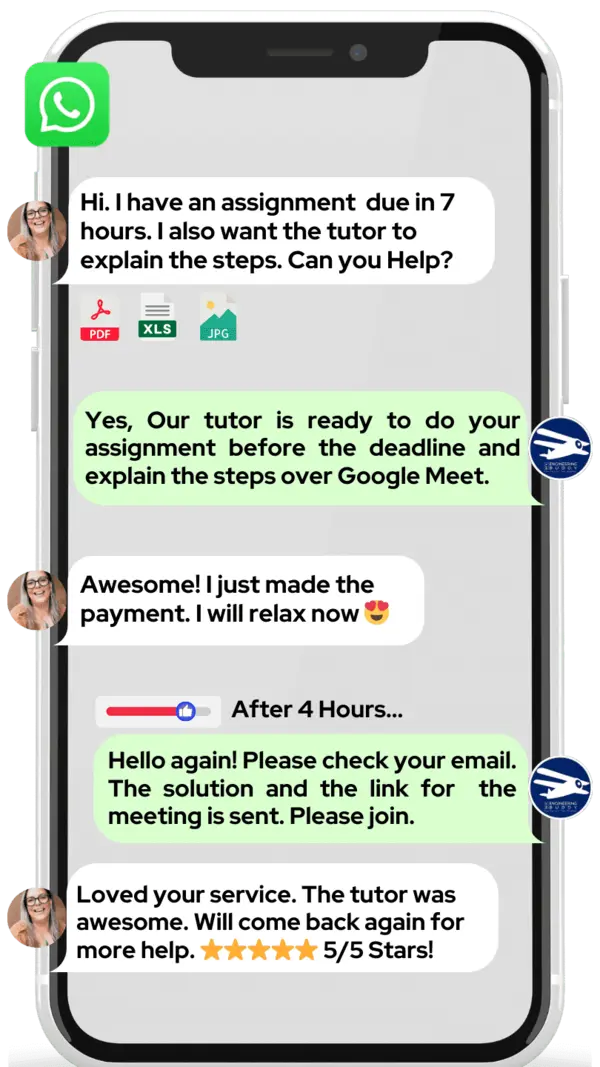



Hire The Best Software Development Life Cycle (SDLC) Tutor
Top Tutors, Top Grades. Without The Stress!





52,000+ Happy Students From Various Universities






How Much For Private 1:1 Tutoring & Hw Help?
Private 1:1 Tutoring and HW help Cost $20 – 35 per hour* on average.
Most students don’t fail SDLC because the concepts are too hard — they fail because nobody walked them through which phase breaks down in their specific project.
SDLC Tutor Online
The Software Development Life Cycle (SDLC) is a structured process for planning, building, testing, and deploying software. It covers methodologies including Waterfall, Agile, and DevOps, equipping students to manage and execute software projects from requirements to release.
Finding a qualified SDLC tutor near me is harder than it looks — most tutors know a language or a framework, but SDLC spans process, methodology, documentation, and team practice. MEB connects you with tutors who have worked inside real development teams and can map their experience directly onto your course or project. If you’re studying software engineering and SDLC is tripping you up — whether it’s the Agile ceremonies, the V-Model, or writing a proper SRS document — a 1:1 session with MEB gets you moving in the same session.
- 1:1 online sessions tailored to your course syllabus or university project brief
- Expert-verified tutors with hands-on SDLC and software engineering backgrounds
- Flexible time zones — US, UK, Canada, Australia, Gulf, Europe
- Structured learning plan built after a diagnostic of your current understanding
- Ethical homework and assignment guidance — you understand the work, then submit it yourself
52,000+ students across the US, UK, Canada, Australia, and the Gulf have used MEB since 2008 — including students in Software Engineering subjects like SDLC, software architecture tutoring, and DevOps tutoring.
Source: My Engineering Buddy, 2008–2025.
How Much Does an SDLC Tutor Cost?
Rates start at $20–$40/hr for most undergraduate and graduate SDLC modules. Specialist tutors with industry project management backgrounds run up to $100/hr. The $1 trial gets you 30 minutes of live tutoring or one assignment question explained in full — no registration required.
| Level / Need | Typical Rate | What’s Included |
|---|---|---|
| Standard (most undergraduate levels) | $20–$35/hr | 1:1 sessions, homework guidance, methodology walkthroughs |
| Advanced / Graduate / Industry-focused | $35–$100/hr | Expert tutor, architecture decisions, DevOps pipeline depth |
| $1 Trial | $1 flat | 30 min live session or one homework question explained fully |
Tutor availability tightens significantly during end-of-semester project submission windows. Book early if your deadline is within three weeks.
WhatsApp MEB for a quick quote — average response time under 1 minute.
Who This SDLC Tutoring Is For
SDLC shows up in almost every computer science and software engineering curriculum — but the way it’s assessed varies enormously. Some courses focus on documentation and process diagrams. Others demand a working Agile sprint log or a complete requirements specification. MEB tutors adapt to what your course actually requires.
- Undergraduate CS and software engineering students with a project or coursework deadline approaching
- Graduate students building SDLC knowledge for research, capstone, or professional certification
- Students retaking after a failed first attempt — especially common when Agile versus Waterfall comparisons are assessed
- Students at universities including MIT, Georgia Tech, Carnegie Mellon, University of Toronto, Imperial College London, and TU Delft who need support beyond lecture slides
- Students who need help structuring a Software Requirements Specification (SRS) or a design document
- Anyone stuck on software testing tutoring as part of an SDLC module, or needing guidance through the testing and deployment phases
If your SDLC assignment asks you to compare methodologies, model a project lifecycle, or justify architecture choices — and you’re not sure where to start — the $1 trial session gives you a concrete direction before you write a single line.
1:1 Tutoring vs Self-Study vs AI vs YouTube vs Online Courses
Self-study: works if you’re disciplined and your course materials are clear, but SDLC documentation tasks have no feedback loop. AI tools: can define Agile or Scrum quickly but can’t look at your specific SRS draft and tell you what’s missing. YouTube: covers methodology overviews well — stops short when you need to apply Waterfall phases to your actual project. Online courses: structured, fixed pace, no personalisation to your assessment criteria. 1:1 tutoring with MEB: live, calibrated to your exact assignment brief, catches gaps in your SDLC reasoning before your tutor marks it down.
Outcomes: What You’ll Be Able To Do in SDLC
After working with an MEB SDLC tutor, you’ll be able to apply Agile sprint planning to a real project brief without losing track of scope, write a Software Requirements Specification that covers functional and non-functional requirements clearly, model the full development lifecycle using UML diagrams, explain the trade-offs between Waterfall and iterative methodologies in an exam answer, and present a test strategy that maps to the verification and validation phases of your chosen model. These aren’t abstract skills — they’re the exact deliverables that get marked.
Based on feedback from 40,000+ sessions collected by MEB from 2022 to 2025, 58% of students improved by one full grade after approximately 20 hours of 1:1 tutoring in subjects like Software Development Life Cycle (SDLC). A further 23% achieved at least a half-grade improvement.
Source: MEB session feedback data, 2022–2025.
Try your first session for $1 — 30 minutes of live 1:1 tutoring or one homework question explained in full. No registration. No commitment. WhatsApp MEB now and get matched within the hour.
What We Cover in SDLC (Syllabus / Topics)

SDLC Methodologies and Process Models
- Waterfall model — phases, deliverables, phase-gate reviews
- Agile framework — sprints, backlog grooming, Scrum ceremonies, velocity
- Iterative and incremental development
- Spiral model — risk analysis cycles
- V-Model — verification and validation mapping
- DevOps and CI/CD integration into the SDLC
- Comparing methodology trade-offs for different project types
Key texts: Sommerville’s Software Engineering (10th ed.), Pressman’s Software Engineering: A Practitioner’s Approach.
Requirements Engineering and Design
- Functional and non-functional requirements gathering
- Writing a Software Requirements Specification (SRS)
- UML tutoring — use case, class, sequence, and activity diagrams
- System design documentation and architecture decisions
- Prototyping and wireframing for requirements validation
- Change management and requirements traceability
Key texts: Wiegers & Beatty’s Software Requirements (3rd ed.), Larman’s Applying UML and Patterns.
Testing, Deployment, and Maintenance
- Unit, integration, system, and acceptance testing help
- Test planning and writing test cases aligned to requirements
- Software quality assurance tutoring — defect tracking, quality gates
- Release management and deployment planning
- Post-release maintenance cycles and software evolution
- Test-driven development (TDD) tutoring within Agile workflows
Key texts: Myers, Sandler & Badgett’s The Art of Software Testing (3rd ed.), Beck’s Test Driven Development: By Example.
Platforms, Tools & Textbooks We Support
SDLC is taught across a wide range of tools depending on your course. MEB tutors are familiar with the most common environments used in university SDLC modules:
- Jira tutoring — sprint boards, backlog management, Agile reporting
- Git tutoring — version control within SDLC workflows
- Azure DevOps tutoring — pipelines, boards, and release management
- Trello tutoring — lightweight Kanban for project tracking
- Jenkins tutoring — CI/CD pipeline setup within a DevOps SDLC
- Draw.io and Lucidchart for UML and process diagrams
- Confluence for documentation and sprint retrospectives
What a Typical SDLC Session Looks Like
The tutor opens by checking where you left off — typically a specific phase you’re modelling or a methodology comparison you’re writing up. If last session covered Agile sprint planning, the tutor starts by asking you to walk through your sprint backlog or user story structure before moving on. From there, you and the tutor work through the live task on screen — writing SRS sections, building UML diagrams, or mapping test cases to requirements. The tutor uses a digital pen-pad to annotate your diagrams or draft documents in real time. You replicate or explain the reasoning back, not just watch. The session closes with a concrete task: finish the activity diagram for phase three, or draft the non-functional requirements section before next time.
At MEB, we’ve found that students who struggle with SDLC assignments almost always have the same gap — they’ve memorised the phase names but never mapped them onto a real project decision. One session spent applying Agile backlog structure to their own project brief closes more of that gap than three lectures.
How MEB Tutors Help You with SDLC (The Learning Loop)
Diagnose: In the first session, the tutor identifies exactly where your understanding breaks down — whether that’s confusing Agile sprints with Kanban, struggling to differentiate verification from validation, or not knowing how to structure an SRS document that meets your marking criteria.
Explain: The tutor works through live examples using a digital pen-pad on Google Meet — drawing phase diagrams, annotating your draft documents, or stepping through a methodology comparison with real project scenarios, not textbook abstracts.
Practice: You attempt the task with the tutor present — writing a section of your SRS, building a UML use case diagram, or arguing the case for a methodology choice in an exam-style paragraph. The tutor watches and adjusts in real time.
Feedback: Step-by-step correction follows — not just “this is wrong” but why a marker would deduct marks and how to fix the reasoning or structure specifically.
Plan: The session ends with a clear next topic, a specific practice task, and a timeline to your deadline. The tutor tracks where you are after each session, not just in the first one.
Sessions run on Google Meet with a digital pen-pad or iPad and Apple Pencil. Before your first session, share your course syllabus or assignment brief and the section you’re most stuck on. The first session covers a diagnostic and at least one full worked example. Whether you need a quick catch-up before a submission deadline, structured revision across 4–8 weeks, or ongoing weekly support through the semester, the tutor maps the session plan after that first diagnostic. Start with the $1 trial — 30 minutes of live tutoring that also functions as your first diagnostic.
Students consistently tell us that the biggest shift in SDLC understanding comes when they stop treating it as theory and start applying a methodology to their own code or project. The moment that click happens — usually mid-session — the assignment stops feeling impossible.
Tutor Match Criteria (How We Pick Your Tutor)
Not every software tutor knows SDLC at the level your course demands. Here’s what MEB checks before matching you.
Subject depth: Tutors are verified against your specific course level — undergraduate module, graduate capstone, or professional certification. They need to know your syllabus, not just the general concept.
Tools: Every MEB tutor uses Google Meet with a digital pen-pad or iPad and Apple Pencil — so your diagrams, SRS sections, and process models can be worked through in real time, not just described.
Time zone: Matched to your region — US, UK, Gulf, Canada, Australia, Europe. No 3am sessions by accident.
Goals: Whether you need exam score improvement, help finishing a coursework submission, or deeper understanding of Agile for a capstone project, the tutor match reflects your actual goal — not a generic one.
Unlike platforms where you fill out a form and wait, MEB responds in under a minute, 24/7. Tutor match takes under an hour. The $1 trial means you test before you commit. Everything runs over WhatsApp — no logins, no intake forms.
Pricing Guide
Most SDLC tutoring runs $20–$40/hr — covering undergraduate modules, graduate-level coursework, and Agile methodology deep dives. Niche or graduate-level sessions with industry practitioners go up to $100/hr. Rate factors include your course level, the complexity of the deliverable (a simple methodology essay vs a full SRS review), your timeline, and tutor availability.
Availability narrows fast during semester-end project submission periods — especially in May and December for US and European universities.
For students targeting roles at companies or programmes where SDLC mastery is assessed formally — including certifications like PMP, CSPO, or CSM — tutors with direct professional project management and development backgrounds are available at higher rates. Share your specific goal and MEB matches the tier to what you actually need.
Start with the $1 trial — 30 minutes, no registration, no commitment. WhatsApp MEB for a quick quote.
FAQ
Is SDLC hard to learn?
SDLC concepts are learnable, but the challenge is applying them. Most students can define Agile or Waterfall — the difficulty is mapping phases to a real project, writing correct documentation, or justifying methodology choices in an assessed context. A tutor closes that gap quickly.
How many sessions will I need?
Most students see measurable improvement in 4–6 sessions for a specific assignment or exam topic. A full module covering multiple methodologies and documentation skills typically benefits from 8–12 sessions spread across the semester. The tutor sets a realistic plan after the first diagnostic.
Can you help with SDLC homework and assignments?
Yes. MEB tutoring is guided learning — you understand the work, then submit it yourself. Tutors help you structure your SRS, work through methodology comparisons, and review your diagrams before you finalise them. See our Academic Integrity policy and Why MEB page for full details on what we help with and what we don’t.
Will the tutor match my exact syllabus or exam board?
Yes. Before matching you, MEB checks your course level, university, and specific topics being assessed. Whether your module focuses on Agile sprints, formal Waterfall documentation, or a hybrid model, the tutor is matched to your actual syllabus — not a generic SDLC overview.
What happens in the first session?
The tutor runs a short diagnostic — asking you to explain a phase, show a diagram you’ve attempted, or walk through your assignment brief. Within 15 minutes, they know exactly where your understanding breaks down. The rest of the session covers the most urgent gap, with a concrete task set for before next time.
Is online SDLC tutoring as effective as in-person?
For SDLC specifically, online is often better — tutors can annotate your documents and diagrams in real time using a digital pen-pad, share screens to review your project boards in Jira or Trello, and record session notes directly. There’s no whiteboard in a library that matches that.
Agile vs Waterfall — which does my course expect me to know more deeply?
It depends entirely on your course. University modules often assess both, but weight one heavily in the final assignment. MEB tutors review your brief and marking rubric in the first session to identify which methodology your assessor actually wants you to demonstrate — and how deeply.
Can a tutor help me write an SRS from scratch?
Yes. Tutors guide you through every section — scope, stakeholders, functional requirements, non-functional requirements, and constraints — using your project as the example. You write it; the tutor explains what belongs in each section and why, and reviews your draft before submission.
Do you offer group SDLC sessions?
MEB sessions are 1:1 only. Group tutoring reduces personalisation — a tutor who spends 30 minutes on your specific SRS gap is more useful than a group session covering content you already know. If two students have identical needs, MEB can discuss options over WhatsApp.
Can I get SDLC help at short notice — like the night before a deadline?
Yes. MEB operates 24/7. WhatsApp response time is typically under a minute. Tutor availability for same-day sessions depends on timing, but late-night and weekend slots are regularly available — especially for written assignment review and methodology question sessions.
What’s the difference between SDLC and software engineering as subjects?
SDLC is a core component within software engineering tutoring — it covers the process and methodology layer. Software engineering is broader, including design patterns, architecture, coding practices, and system behaviour. Many students need support in both, and MEB tutors can cover either or both in the same session.
How do I get started?
Start with the $1 trial — 30 minutes of live tutoring or one assignment question explained in full. Three steps: WhatsApp MEB with your subject and deadline, get matched with a verified SDLC tutor within the hour, and start your trial session immediately.
Trust & Quality at My Engineering Buddy
Every MEB tutor goes through a multi-stage screening process: subject knowledge assessment, a live demo session evaluation, and ongoing student feedback review. Tutors covering SDLC typically hold degrees in computer science or software engineering and have direct professional experience with Agile delivery, software project management, or development team workflows — not just academic familiarity with the topic. Rated 4.8/5 across 40,000+ verified reviews on Google.
MEB tutoring is guided learning — you understand the work, then submit it yourself. For full details on what we help with and what we don’t, read our Academic Integrity policy and Why MEB.
MEB has served 52,000+ students across the US, UK, Canada, Australia, the Gulf, and Europe since 2008, covering 2,800+ subjects. In Software Engineering — including SDLC, system design help, and software quality assurance tutoring — MEB tutors are matched for both academic and practical depth. Read more about how sessions are structured at MEB’s tutoring methodology.
A common pattern our tutors observe is that students who arrive with a half-finished SRS document leave with a complete draft and, more importantly, understand why each section is structured the way it is. That understanding is what survives into the exam.
Explore Related Subjects
Students studying SDLC often also need support in:
- Cloud Architecture
- Microservices
- Integration Testing
- Enterprise Architecture
- Infrastructure as Code
- Solution Architecture
- Benchmarking
Next Steps
Getting started takes less than two minutes.
- Share your course, exam board or university, the specific SDLC topic or assignment you’re stuck on, and your deadline
- Share your availability and time zone
- MEB matches you with a verified SDLC tutor — usually within 24 hours, often the same hour
- Your first session opens with a diagnostic so every minute is used on what you actually need
Before your first session, have ready: your course syllabus or assignment brief, a recent attempt at a diagram, SRS section, or methodology question you struggled with, and your submission or exam date. The tutor handles the rest.
Visit www.myengineeringbuddy.com for more on how MEB works.
WhatsApp to get started or email meb@myengineeringbuddy.com.
Reviewed by Subject Expert
This page has been carefully reviewed and validated by our subject expert to ensure accuracy and relevance.
